

Operation Process and Working Principle of Rare Earth Powder Material Pneumatic Conveying
Understanding the operation process and working principle of pneumatic conveying for rare earth powder materials is crucial for optimizing material handling in industrial applications. This article provides a detailed overview of the key aspects involved in the pneumatic transport of these specialized powders, highlighting the technical considerations and operational strategies employed by Shandong HeadPowder Engineering Co., Ltd. to ensure efficient and reliable material transfer.
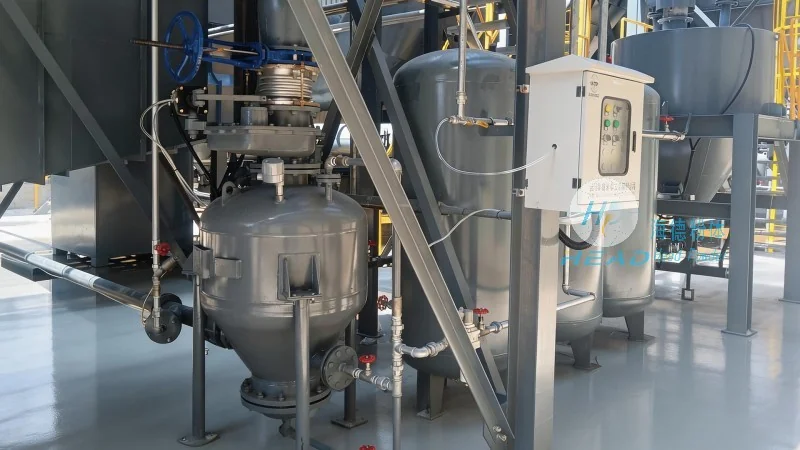
Introduction to Pneumatic Conveying Systems for Rare Earth Powders
Pneumatic conveying systems utilize air or other gases to transport particulate materials like rare earth powders through a pipeline network. These systems are widely adopted in industries dealing with fine powders due to their ability to handle materials with high dust content and minimize product contamination. The core components of a typical pneumatic conveying system include a material feed hopper, a conveying line, a pressure or vacuum source, and a discharge unit. Each component plays a vital role in the overall efficiency and effectiveness of the material transport process.
Key Components and Their Functions in Pneumatic Conveying
The material feed hopper is designed to store and feed the rare earth powder into the conveying line. It often features a rotary valve or a star feeder to control the flow rate and prevent material buildup. The conveying line, typically made of stainless steel or other corrosion-resistant materials, is responsible for transporting the powder mixture. The pressure or vacuum source, such as a blower or a vacuum pump, generates the necessary airflow to move the material through the line. Finally, the discharge unit, which may include a rotary valve or a filter, collects the material at the destination point and separates it from the air.
Operation Process of Rare Earth Powder Pneumatic Conveying
The operation process of pneumatic conveying for rare earth powders involves several sequential steps. Initially, the rare earth powder is loaded into the feed hopper. The rotary valve then regulates the powder flow into the conveying line. Simultaneously, the blower or vacuum pump starts operating, creating a pressure or vacuum within the system. As the air flows through the line, it entrains the powder particles, forming a slurry-like mixture. This mixture travels through the pipeline to the discharge point, where the powder is separated from the air and collected. The air is then filtered and recycled back into the system to maintain efficiency and reduce waste.
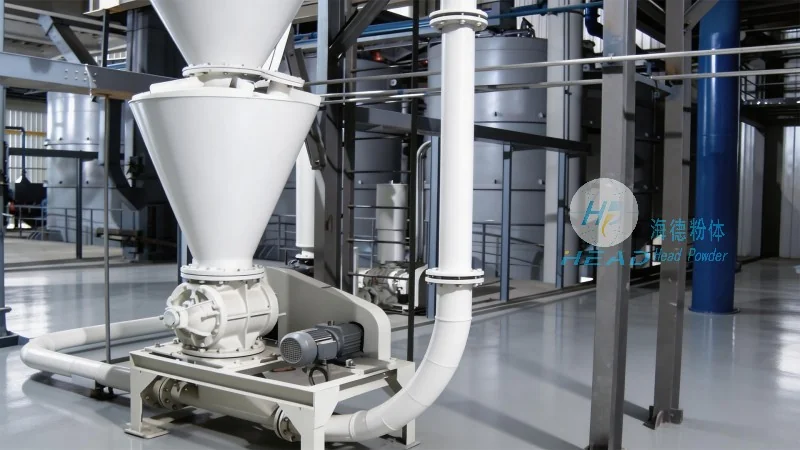
Working Principle of Pneumatic Conveying for Rare Earth Materials
The working principle of pneumatic conveying relies on the interaction between the air flow and the powder particles. In a pressure system, the blower supplies compressed air that pushes the powder mixture through the pipeline. The air velocity must be sufficient to overcome the gravitational forces and frictional resistance within the line. In a vacuum system, the vacuum pump creates a low-pressure environment that draws the powder into the line. The key to efficient conveying is maintaining the correct air-to-powder ratio, which ensures that the particles are fully entrained without excessive air consumption or particle degradation. For rare earth powders, which are often sensitive to moisture and contamination, the system design must incorporate features like moisture-proof seals and high-efficiency filters to preserve material quality.
Technical Considerations for Efficient Rare Earth Powder Conveying
Several technical factors must be considered to ensure optimal performance of pneumatic conveying systems for rare earth powders. Particle size and density are critical parameters, as they affect the air velocity required for entrainment. Larger or denser particles may require higher air velocities or different conveying line diameters. The system's pressure or vacuum level must be carefully calibrated to match the material's properties and the distance to be conveyed. Additionally, the material's flowability and cohesive properties can impact the feed hopper design and the need for auxiliary equipment like vibrators or agitators to prevent blockages. Regular maintenance of components such as filters, valves, and blower motors is essential to prevent system downtime and maintain consistent performance.
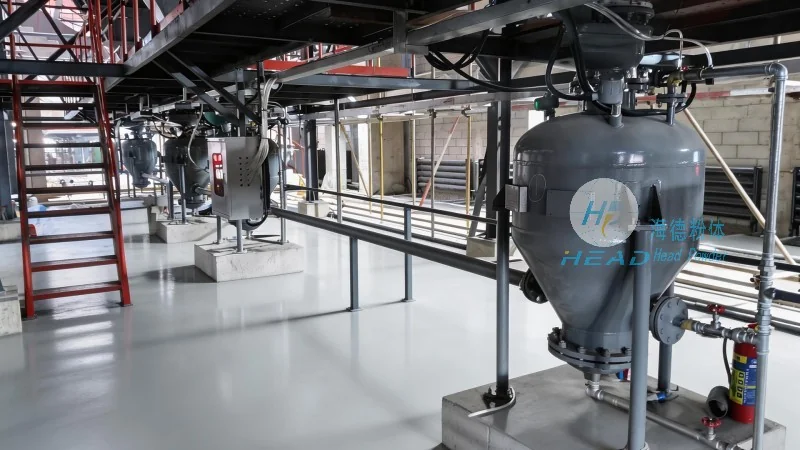
Application of Pneumatic Conveying in Rare Earth Processing
Pneumatic conveying is widely used in the rare earth processing industry for various applications, including material transport between processing stages, storage and handling, and product delivery to end-users. For example, in a rare earth separation plant, the system may be used to transport raw ore or intermediate products from grinding and classification units to the next processing step. In a manufacturing facility, it can be employed to move finished rare earth compounds to packaging areas. The flexibility of pneumatic conveying systems allows them to adapt to different production volumes and material flow requirements, making them a preferred choice for many rare earth processing operations.
Advantages of Pneumatic Conveying for Rare Earth Powders
Compared to traditional mechanical conveying methods like belt conveyors or screw conveyors, pneumatic conveying offers several advantages for handling rare earth powders. One of the primary benefits is the ability to transport materials in a closed system, which minimizes dust emissions and environmental contamination. This is particularly important for rare earth powders, which can be hazardous if released into the air. Additionally, pneumatic systems can handle materials with high moisture content or corrosive properties without damage to the equipment. The system's flexibility allows for easy integration with other processing equipment, and the ability to transport materials over long distances without intermediate storage points reduces the need for additional infrastructure. Finally, the reduced risk of product contamination and the ability to maintain material purity make pneumatic conveying an ideal choice for high-value rare earth materials.
Conclusion and Company Overview
Efficient pneumatic conveying of rare earth powder materials is essential for optimizing industrial processes and ensuring product quality. The operation process and working principle of these systems involve careful consideration of component design, operational parameters, and material properties. Shandong HeadPowder Engineering Co., Ltd., a leading provider in the field, specializes in designing and implementing customized pneumatic conveying solutions tailored to the unique needs of rare earth processing industries. With a focus on reliability, efficiency, and material preservation, the company's systems help clients achieve seamless material transport while maintaining the highest standards of product integrity. Based in Shandong, China, HeadPowder Engineering continues to advance the technology of pneumatic conveying, supporting the growing demands of the rare earth industry with innovative and effective solutions.