

Operation Process and Working Principle of Pneumatic Conveying for Glass Particle Materials
HeadPowder, formally known as Shandong HeadPowder Engineering Co., Ltd., is a professional manufacturer based in Shandong, China. The company specializes in the design, development, and production of pneumatic conveying systems tailored for various industrial applications, including the efficient handling of glass particle materials.
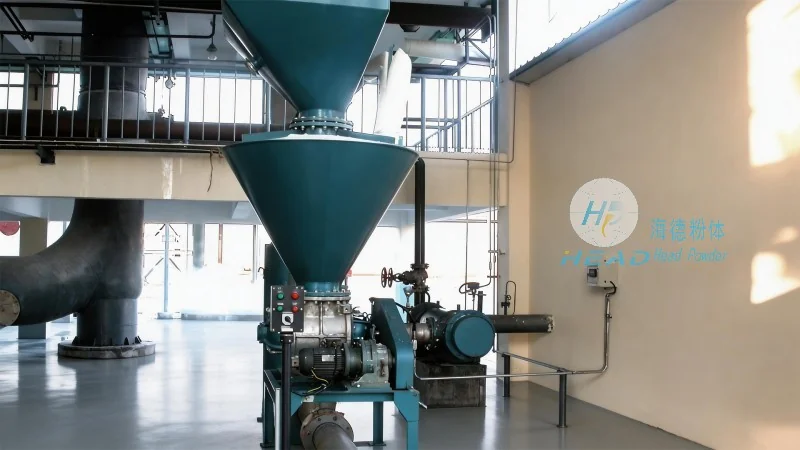
Pneumatic Conveying Systems: An Overview
Pneumatic conveying is a method of transporting bulk materials through a pipeline using a gas stream, typically air. This technology offers a flexible and efficient solution for moving glass particles from one location to another, eliminating the need for traditional mechanical conveyors that may cause damage to delicate or abrasive materials like glass. The system operates by creating a pressure differential within the pipeline, which propels the glass particles forward as they are entrained by the moving air.
Operation Process of Pneumatic Conveying for Glass Particles
The operation of a pneumatic conveying system for glass particles involves several key steps. First, the glass particles are loaded into a hopper or feeder, where they are then fed into the conveying line. The system uses a blower or compressor to generate the necessary air pressure, which is introduced into the pipeline. As the air flows through the line, it picks up the glass particles, forming a slurry-like mixture known as a "conveyed stream." The mixture travels through the pipeline to the destination point, where it is discharged into a collection bin or processing unit. The system may include features such as cyclones or filters to separate the air from the glass particles at the end of the line, ensuring that the material is delivered in a clean and controlled manner.
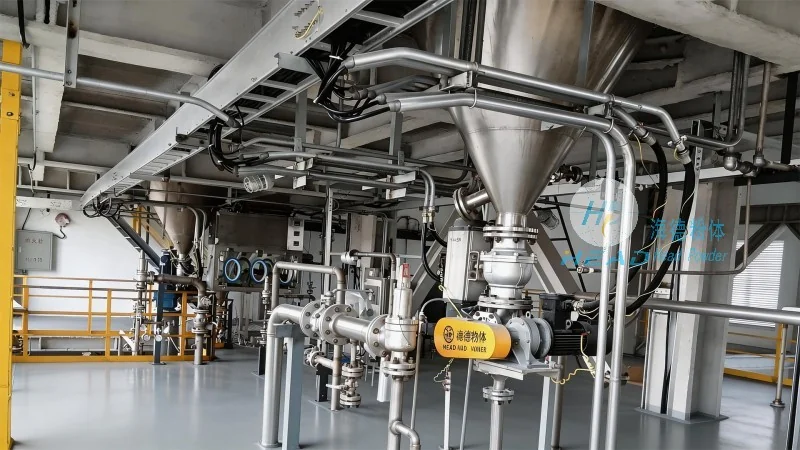
Working Principle of Pneumatic Conveying for Glass Particles
The working principle of a pneumatic conveying system for glass particles is based on the principles of fluid dynamics and particle entrainment. The system relies on the velocity of the air stream to lift and transport the glass particles. The key factors influencing the performance of the system include the air velocity, particle size, and the pressure differential across the pipeline. For glass particles, which are often lightweight and have a relatively low density, the system must be designed to maintain sufficient air velocity to prevent particle deposition or clogging in the pipeline. The design of the system, including the size and configuration of the pipeline, the type of blower, and the feeding mechanism, all play critical roles in ensuring efficient and reliable operation.
Advantages and Features of Pneumatic Conveying for Glass Particles
Pneumatic conveying systems for glass particles offer several advantages over traditional mechanical methods. These include reduced material handling time, lower maintenance costs, and the ability to transport materials over long distances without the need for multiple transfer points. The system is also highly flexible, allowing for changes in the conveying route or material flow without major modifications to the infrastructure. Additionally, the enclosed pipeline design helps to prevent dust emissions and contamination, which is particularly important for glass particles that may be sensitive to environmental factors. The system can be equipped with various control mechanisms, such as variable frequency drives (VFDs) and sensors, to optimize performance and ensure safe operation.
Applications of Pneumatic Conveying for Glass Particles
Pneumatic conveying systems for glass particles are widely used in various industrial applications, including the glass manufacturing industry, where they are used to transport raw materials like sand, soda ash, and limestone to the production lines. The system is also used in recycling facilities to transport crushed glass from collection points to processing units. In addition, the technology is applied in the packaging industry for transporting glass containers and in the construction industry for handling glass aggregates. The versatility of the system makes it suitable for a wide range of applications where efficient and reliable material transport is required.
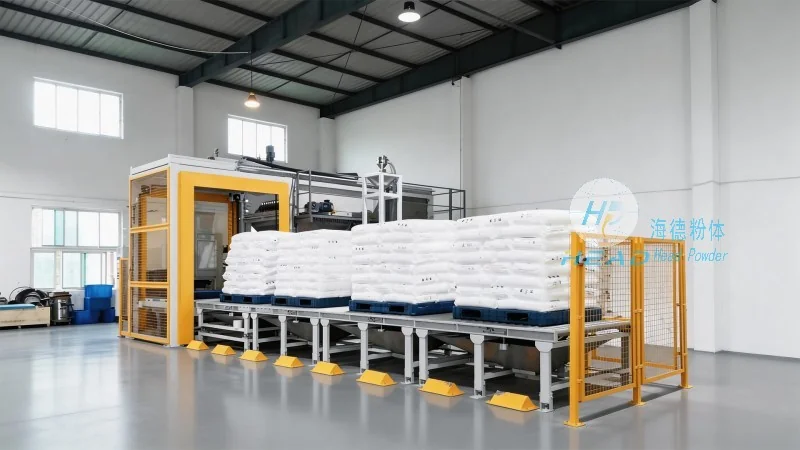
Maintenance and Maintenance of Pneumatic Conveying Systems
To ensure the long-term performance and reliability of a pneumatic conveying system for glass particles, regular maintenance is essential. The system components, such as the blower, pipeline, and filters, should be inspected and cleaned regularly to prevent clogging and wear. The feeding mechanism should be checked to ensure that it is delivering the glass particles at a consistent rate. The system should also be equipped with safety features, such as pressure relief valves and emergency shut-off switches, to prevent accidents and damage to the equipment. Proper maintenance can help to extend the lifespan of the system and reduce downtime, ensuring that it continues to operate efficiently and safely.
Conclusion
Pneumatic conveying systems for glass particle materials are an efficient and reliable solution for transporting bulk materials in various industrial applications. The system operates by using a gas stream to entrain and transport the glass particles through a pipeline, offering advantages such as reduced material handling time, lower maintenance costs, and flexibility. With proper design and maintenance, the system can provide long-term performance and ensure the safe and efficient transport of glass particles. HeadPowder, as a professional manufacturer based in Shandong, China, offers high-quality pneumatic conveying systems tailored to meet the specific needs of its clients, providing reliable solutions for glass particle material handling.