

Operation Process and Working Principle of Pneumatic Conveying for Carbonaceous Granular Materials
Shandong HeadPowder Engineering Co., Ltd., commonly known as HeadPowder, specializes in the design, manufacturing, and implementation of advanced pneumatic conveying systems tailored for carbonaceous granular materials. These systems are critical in various industrial applications, ensuring efficient and reliable material transport from source to destination. This article delves into the operation process and working principle of such systems, highlighting key components, operational dynamics, and the technological advancements that enhance performance.
Key Components of Pneumatic Conveying Systems
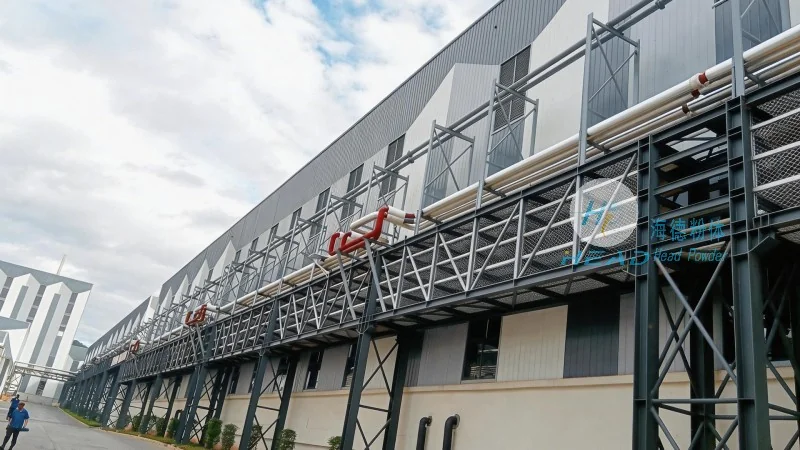
The pneumatic conveying system for carbonaceous granular materials typically consists of several core components that work in concert to achieve seamless material transport. The primary elements include the material hopper or feeder, the air supply system (such as a blower or compressor), the conveying pipeline, and the discharge equipment. Each component plays a vital role in maintaining the system's efficiency and reliability. The material hopper is designed to store and feed the carbonaceous granules at a controlled rate, ensuring a consistent flow into the system. The feeder then regulates the flow rate, controlling the amount of material entering the system. Simultaneously, the air supply system activates, generating the necessary pressure or vacuum to move the material through the pipeline. The conveying pipeline, often made of durable materials like stainless steel or plastic, is engineered to withstand the abrasive nature of carbonaceous particles while minimizing pressure drop. Finally, the discharge equipment, such as a rotary valve or a dust collector, manages the material's exit from the system, preventing backflow and ensuring clean operation.
Operation Process of Pneumatic Conveying
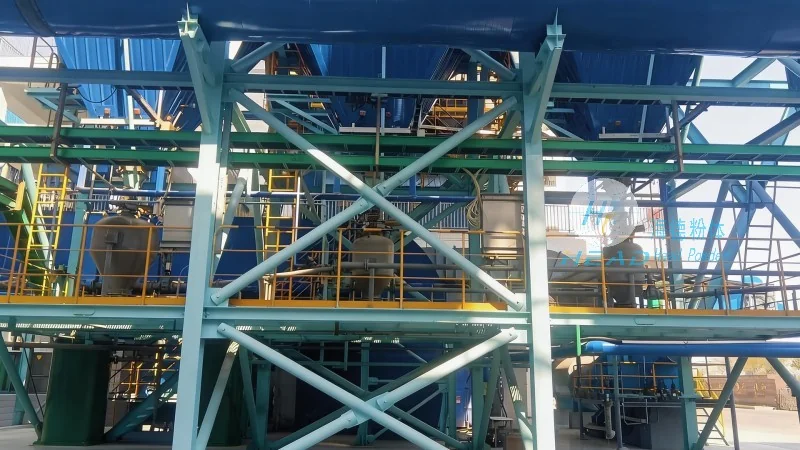
The operation process of a pneumatic conveying system for carbonaceous granular materials involves a series of steps that ensure smooth and continuous material transport. The process begins with the loading of the carbonaceous granules into the material hopper. The feeder then regulates the flow rate, controlling the amount of material entering the system. Simultaneously, the air supply system activates, generating the required airflow. The air and material mixture then enters the conveying pipeline, where the material is propelled forward by the air pressure or vacuum. The pipeline's design, including bends and fittings, is optimized to minimize pressure loss and maintain the material's velocity. As the material travels through the pipeline, it reaches the discharge point, where the air and material are separated. The air is typically filtered and recirculated, while the carbonaceous granules are collected in the discharge equipment. This process repeats continuously, allowing for the efficient transfer of large quantities of material over varying distances.
Working Principle of Pneumatic Conveying
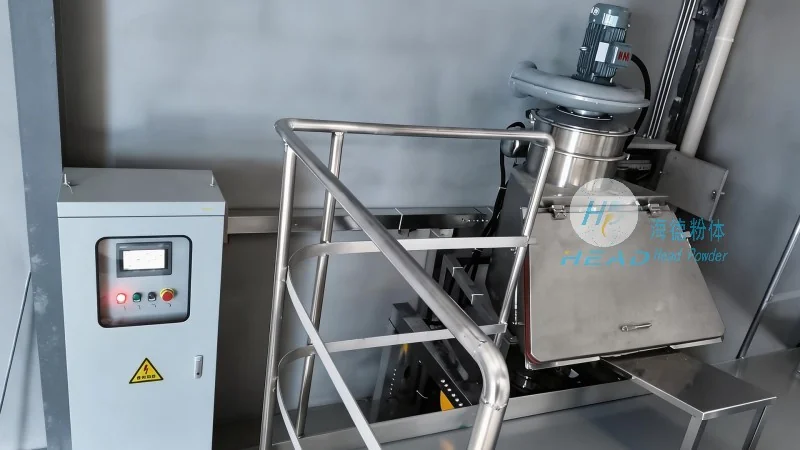
The working principle of pneumatic conveying for carbonaceous granular materials is based on the interaction between the material particles and the air flow. There are two primary modes of operation: pressure and vacuum. In pressure systems, a blower or compressor creates positive pressure within the pipeline, pushing the material forward. The air and material mixture is accelerated as it moves through the system, with the air providing the necessary force to overcome friction and gravity. In vacuum systems, a vacuum pump creates a negative pressure, drawing the material into the pipeline. The material is then carried by the air flow towards the discharge point. The efficiency of the system depends on factors such as the particle size, density, and moisture content of the carbonaceous material, as well as the air velocity and pressure. Proper system design and maintenance are crucial to ensure optimal performance and minimize operational issues like blockages or material degradation.
Advantages and Applications of Pneumatic Conveying
Pneumatic conveying systems for carbonaceous granular materials offer several advantages over traditional methods like belt conveyors or bucket elevators. These systems are highly flexible, allowing for vertical, horizontal, or inclined transport of materials. They are also capable of handling materials with varying properties, including abrasive or corrosive particles, without causing significant wear or damage. Additionally, pneumatic conveying systems can be integrated with other processing equipment, such as mixers or reactors, enabling seamless material transfer within production lines. The applications of these systems are widespread, including the transport of carbon black, graphite, activated carbon, and other carbonaceous powders in industries like chemical manufacturing, pharmaceuticals, and food processing. The ability to handle fine particles and maintain product purity makes pneumatic conveying an ideal solution for applications where contamination or material loss must be minimized.
Conclusion and Company Expertise
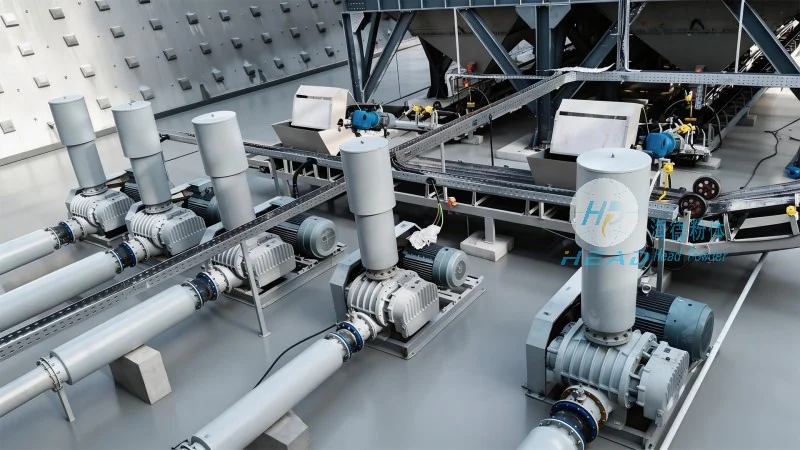
Shandong HeadPowder Engineering Co., Ltd. leverages its expertise in pneumatic conveying technology to provide customized solutions for the efficient transport of carbonaceous granular materials. By understanding the unique characteristics of each material and the specific requirements of the application, the company designs and implements systems that optimize performance, reduce operational costs, and ensure long-term reliability. With a focus on innovation and quality, HeadPowder continues to advance the technology of pneumatic conveying, meeting the evolving needs of industries that rely on efficient material handling. The company's commitment to customer satisfaction and technical excellence ensures that its systems deliver superior results, making them a trusted partner in the material handling industry.