

Operation Process and Working Principle of Pneumatic Conveying for Chromium Oxide Materials
HeadPowder, a leading enterprise in the field of material handling technology, specializes in the design, manufacturing, and installation of pneumatic conveying systems for various industrial applications. With a focus on high-efficiency and reliable solutions, the company has established itself as a trusted partner for industries dealing with challenging materials like chromium oxide. This article delves into the operation process and working principle of pneumatic conveying systems specifically tailored for chromium oxide materials, highlighting the technical aspects and operational efficiency that define modern material handling solutions.
Company Background and Expertise
Shandong HeadPowder Engineering Co., Ltd., commonly known as HeadPowder, is headquartered in Shandong, China. The company has built a strong reputation over the years by delivering innovative and robust pneumatic conveying systems that meet the stringent requirements of diverse industrial sectors. With a team of experienced engineers and technicians, HeadPowder combines advanced technology with practical engineering to provide customized solutions that enhance productivity and safety in material handling operations. The company's commitment to quality and customer satisfaction has made it a preferred choice for businesses seeking reliable material transport solutions, particularly for materials that demand precise control and minimal contamination.
Understanding Pneumatic Conveying for Chromium Oxide Materials
Pneumatic conveying is a method of transporting bulk materials through a pipeline using a stream of air or gas. For chromium oxide, a material known for its high density and potential for dust generation, the design of the conveying system is critical to ensure efficient and safe operation. Chromium oxide is often used in industries such as refractory production, pigments, and metal processing, where its properties require specialized handling techniques. The choice between different types of pneumatic conveying systems—such as dilute-phase and dense-phase—depends on the material's characteristics, the distance to be covered, and the required throughput. HeadPowder's expertise lies in selecting the optimal system configuration for each application, ensuring that the material is conveyed with minimal degradation and maximum efficiency.
The Operation Process of Pneumatic Conveying Systems
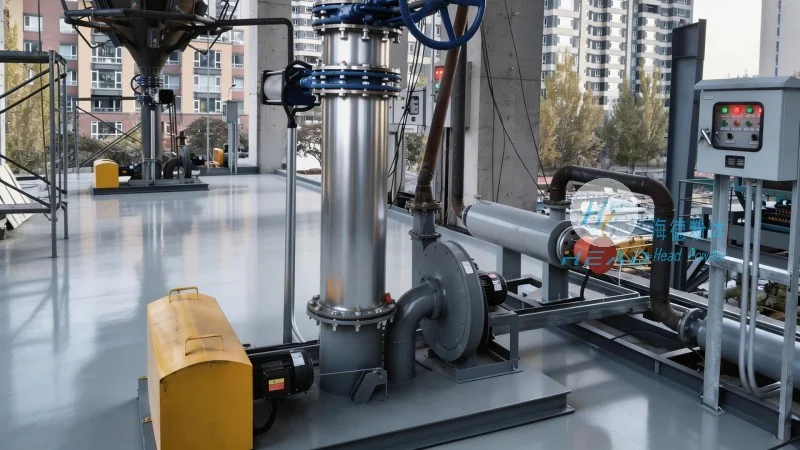
The operation process of a pneumatic conveying system for chromium oxide involves several key steps that ensure smooth and continuous material transport. The process typically begins with the material being loaded into a hopper or feeder, where it is prepared for transport. The material is then introduced into the conveying line, where it is mixed with the conveying air. The air velocity and pressure are carefully controlled to maintain the material in a suspended state, preventing blockages and ensuring uniform flow. The conveying line may include components such as bends, filters, and silos, which are designed to handle the specific characteristics of chromium oxide. The system is equipped with sensors and control mechanisms that monitor the flow rate, pressure, and temperature, allowing for real-time adjustments to maintain optimal performance. The entire process is automated to minimize human intervention, enhancing safety and operational consistency.
Working Principle of Pneumatic Conveying Systems
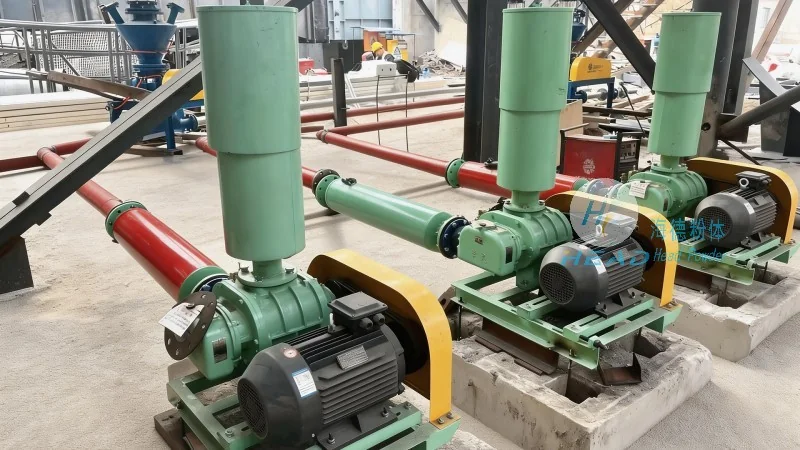
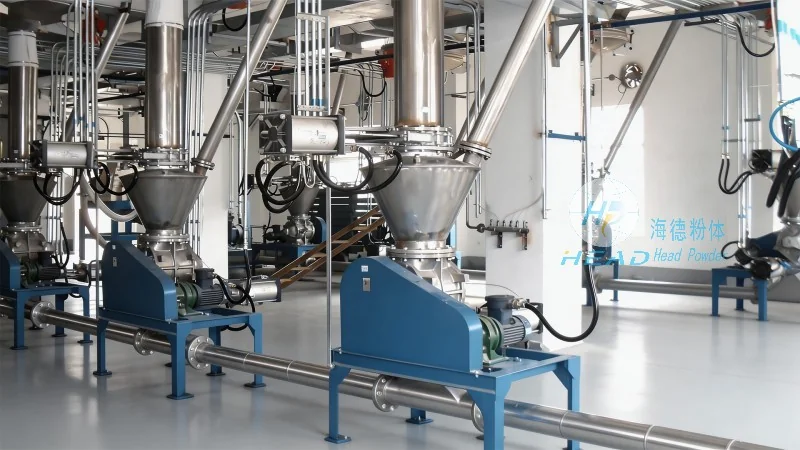
The working principle of pneumatic conveying systems is based on the fundamental physics of fluid dynamics and particle motion. In a dilute-phase system, the material is suspended in the air stream, moving through the pipeline at high velocity. The air velocity is maintained above the material's terminal velocity to prevent settling and ensure continuous transport. In a dense-phase system, the material is conveyed in a slurry-like state, where the air velocity is lower, and the material is pushed through the line by the pressure of the air. For chromium oxide, the dense-phase system is often preferred due to the material's high density and tendency to form clumps. The system operates by creating a pressure differential between the inlet and outlet of the conveying line. The inlet is connected to a blower or compressor that generates the necessary air pressure, while the outlet is connected to a receiver or silo where the material is deposited. The control system regulates the air flow and pressure to maintain the desired conveying rate, ensuring that the material is transported efficiently and without damage.
Key Components and Their Functions
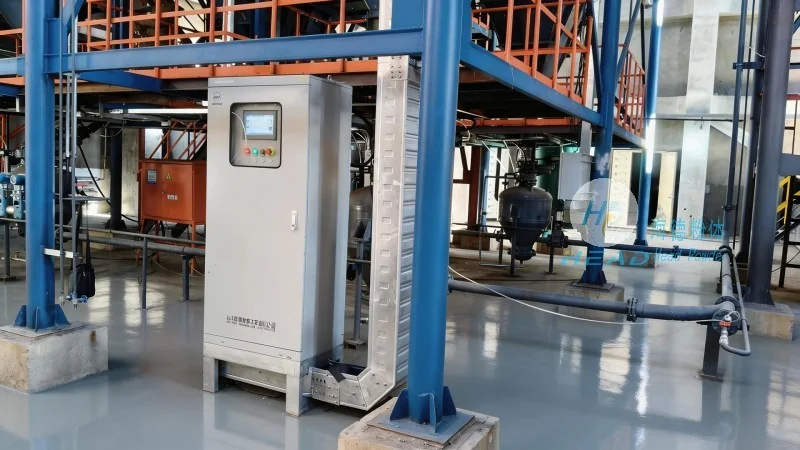
Several key components are integral to the operation of a pneumatic conveying system for chromium oxide. The hopper or feeder is responsible for storing and feeding the material into the conveying line. It is designed to prevent material bridging and ensure a consistent flow rate. The conveying line itself is typically made of stainless steel or other corrosion-resistant materials to withstand the chemical properties of chromium oxide. The bends and elbows in the line are carefully designed to minimize pressure loss and prevent material accumulation. The filters and cyclones are used to separate the material from the air stream, ensuring that the material is deposited in the receiver without contamination. The sensors and control systems monitor the system's performance and provide feedback to adjust the operation parameters. The silos or receivers are used to store the conveyed material, allowing for subsequent processing or distribution. Each component is selected based on the specific requirements of the chromium oxide material, ensuring that the system operates efficiently and reliably.
Advantages of Pneumatic Conveying for Chromium Oxide
There are several advantages to using pneumatic conveying systems for chromium oxide materials. One of the primary benefits is the ability to transport the material over long distances without the need for intermediate storage or handling. This reduces the risk of material degradation and contamination, which is critical for high-quality chromium oxide. The system is also highly flexible, allowing for changes in the conveying route or throughput without major modifications. The automated operation reduces labor costs and improves safety by minimizing human exposure to the material. Additionally, the system can be integrated with other processing equipment, such as mixers or grinders, to create a seamless material handling process. The low maintenance requirements of the system also contribute to its cost-effectiveness, making it an attractive option for industries with high material throughput.