

The Operation Process and Working Principle of Sodium Dithionite Material Pneumatic Conveying
HeadPowder, a leading enterprise in the field of material handling technology, specializes in the design, manufacturing, and implementation of pneumatic conveying systems for sodium dithionite material. This article provides a detailed overview of the operation process and working principles of such systems, highlighting the efficiency and reliability that define modern material transport solutions.
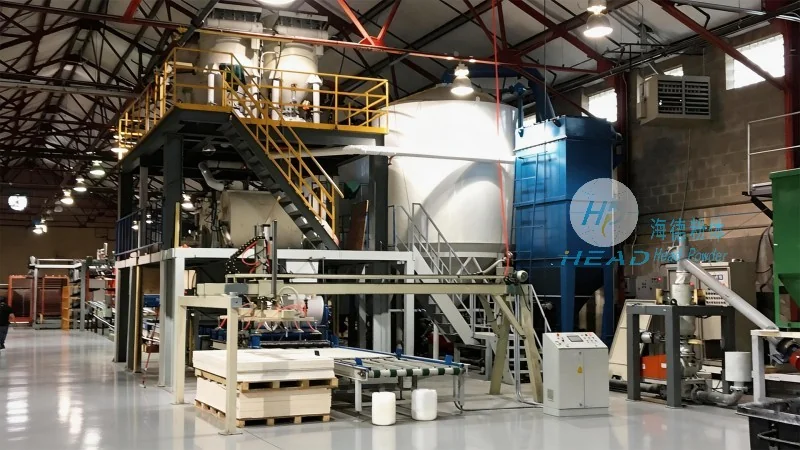
Understanding the Pneumatic Conveying System
A pneumatic conveying system is a method of transporting bulk materials through a pipeline using a gas stream, typically air or a combination of air and other gases. For sodium dithionite, which is a highly reactive and often hygroscopic chemical, the system must be designed to maintain material integrity while ensuring safe and efficient transport. The system typically consists of several key components, including a material feed hopper, a conveying line, a gas source (usually a blower or compressor), and a discharge unit.
Key Components and Their Functions
The material feed hopper is the initial component where the sodium dithionite is stored before being introduced into the conveying system. It is equipped with a feeder, such as a rotary valve or a screw feeder, which controls the flow rate of the material into the pipeline. The conveying line, usually made of stainless steel or other corrosion-resistant materials, is designed to withstand the chemical properties of sodium dithionite and prevent material degradation or contamination. The gas source provides the necessary pressure and flow rate to move the material through the pipeline. The discharge unit, which can be a rotary valve or a pressure vessel, collects the material at the end of the conveying line, ensuring a controlled and efficient discharge process.
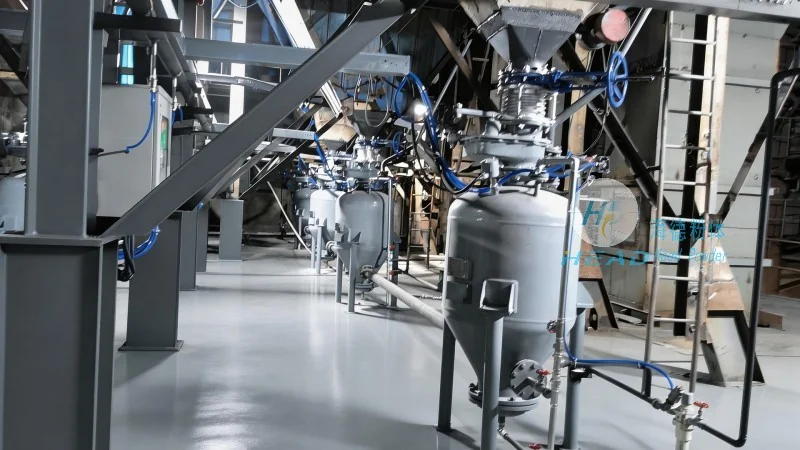
The Operation Process of the System
The operation process of a pneumatic conveying system for sodium dithionite begins with the loading of the material into the feed hopper. The feeder then regulates the material flow, ensuring a consistent and controlled rate. Simultaneously, the gas source starts to generate the required air pressure and flow. As the material is fed into the pipeline, the gas stream entrains the particles, creating a slurry-like mixture that travels through the conveying line. The velocity of the gas and the size of the particles determine the conveying velocity and the overall efficiency of the system. Upon reaching the discharge unit, the material is separated from the gas stream, typically through a cyclone separator or a filter, and collected for further processing or storage.
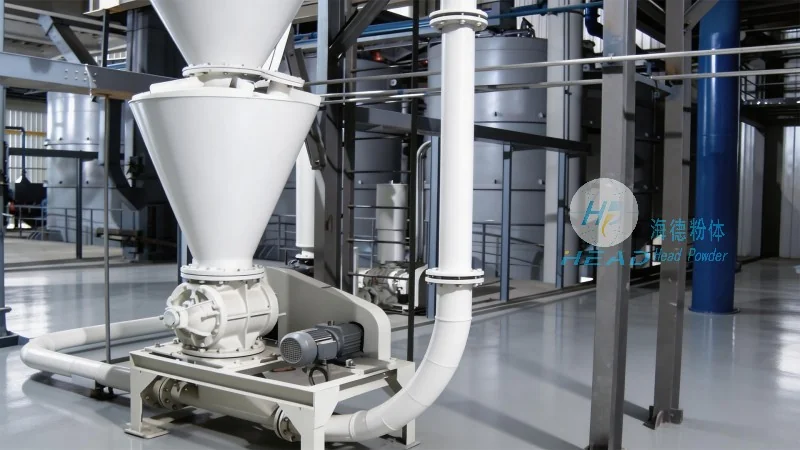
Working Principle: How the System Transfers Material
The working principle of the pneumatic conveying system relies on the principle of fluid dynamics and particle motion. The gas stream, moving at a high velocity, creates a pressure differential that draws the sodium dithionite particles into the pipeline. The particles are then carried along by the gas, maintaining a stable suspension. The system’s efficiency is influenced by factors such as the particle size distribution, the moisture content of the material, and the air pressure. Proper design and maintenance of the system components are crucial to ensure optimal performance and to prevent issues like blockages or material degradation.
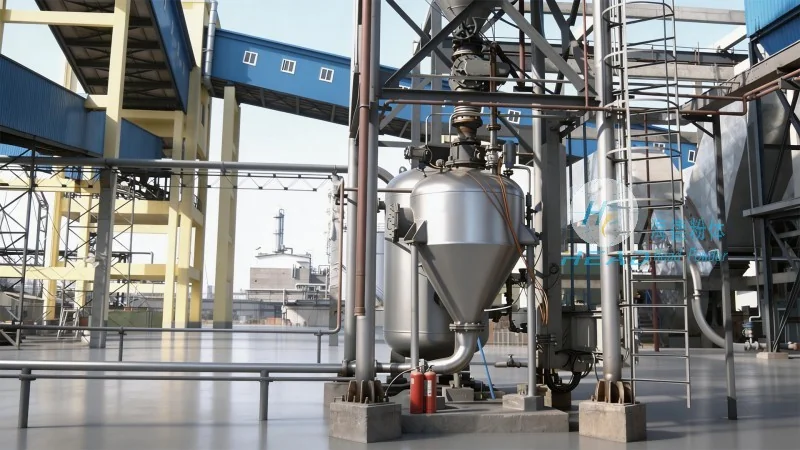
Benefits of Using Pneumatic Conveying for Sodium Dithionite
Implementing a pneumatic conveying system for sodium dithionite offers several advantages over traditional methods like belt conveyors or manual handling. These include enhanced safety due to the enclosed system, reduced risk of dust exposure and contamination, improved material handling efficiency, and lower operational costs. The system also allows for precise control over the material flow rate, ensuring consistent quality in downstream processes. Additionally, the enclosed design helps maintain the material’s chemical properties, which is critical for sodium dithionite applications in industries such as textile, food, and pharmaceuticals.
Company Profile: Shandong HeadPowder Engineering Co., Ltd.
Shandong HeadPowder Engineering Co., Ltd., operating under the brand name HeadPowder, is a reputable manufacturer and supplier of advanced material handling solutions. With a focus on innovation and customer satisfaction, the company has developed expertise in designing customized pneumatic conveying systems tailored to the specific needs of clients. HeadPowder’s team of engineers and technicians leverages years of experience to provide reliable and efficient solutions for transporting sodium dithionite and other bulk materials. The company’s headquarters is located in Shandong, China, where it operates a state-of-the-art manufacturing facility equipped with the latest technology and quality control measures.