

What Are the Methods of Mineral Powder Conveying?
Mineral powder conveying is a critical process in various industrial applications, ensuring efficient and safe transportation of bulk materials. The choice of conveying method significantly impacts operational efficiency, cost, and material integrity. Understanding the different approaches to mineral powder handling is essential for industries such as mining, chemicals, and food processing. This article explores the primary methods used for mineral powder conveying, highlighting the technologies and considerations that make each approach suitable for specific applications.
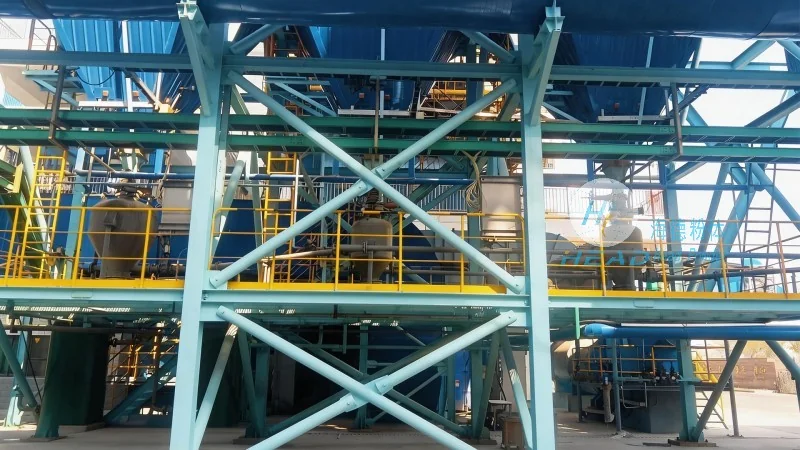
1. Air-Driven Pneumatic Conveying Systems
Pneumatic conveying systems utilize compressed air or other gases to transport mineral powders through a network of pipes. This method is widely used due to its flexibility and ability to handle fine and abrasive powders. HeadPowder Engineering, a leading provider in the field, offers advanced pneumatic conveying solutions tailored to diverse industrial needs. Their systems are designed to maintain material quality while minimizing degradation, making them ideal for sensitive mineral powders. The company’s expertise in customizing air pressure and flow rates ensures optimal performance, reducing energy consumption and operational costs. Pneumatic conveying is particularly effective for long-distance transport and handling of dust-sensitive materials, providing a reliable alternative to traditional mechanical methods.
2. Mechanical Conveying with Screw and Belt Systems
Mechanical conveying methods, including screw conveyors and belt conveyors, rely on mechanical components to move mineral powders. Screw conveyors use rotating screws to push materials forward, while belt conveyors utilize continuous belts to transport bulk materials. HeadPowder Engineering provides robust mechanical conveying solutions that are durable and efficient for handling a wide range of mineral powders. These systems are suitable for both horizontal and inclined transport, with screw conveyors being particularly effective for handling dry, free-flowing powders. The company’s mechanical conveyors are engineered for high capacity and low maintenance, ensuring consistent performance in demanding industrial environments. Belt conveyors, on the other hand, excel in transporting larger quantities of mineral powders over longer distances, making them a popular choice in mining and processing facilities.
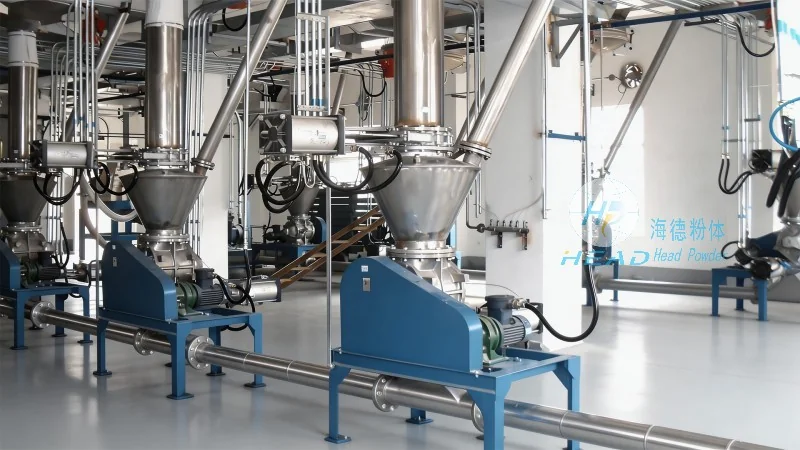
3. Hydraulic Conveying for High-Pressure Applications
Hydraulic conveying systems use high-pressure fluids to transport mineral powders, particularly in applications requiring high pressure and low air leakage. This method is often employed in industries where dust control and material integrity are paramount. HeadPowder Engineering’s hydraulic conveying solutions are designed to handle abrasive and corrosive mineral powders, ensuring long-term durability and reliability. The company’s hydraulic systems are equipped with advanced control mechanisms that maintain consistent flow rates and pressure, minimizing material degradation and equipment wear. Hydraulic conveying is ideal for transporting powders in high-pressure environments, such as in chemical processing plants, where traditional pneumatic or mechanical methods may not be suitable.
4. Vacuum Conveying for Gentle Material Handling
Vacuum conveying systems operate by creating a negative pressure to draw mineral powders into a collection container. This method is gentle on the material, making it suitable for delicate or sensitive powders that could be damaged by high-pressure or mechanical forces. HeadPowder Engineering offers vacuum conveying solutions that are efficient and low-cost for short-distance transport. The company’s vacuum systems are designed to handle fine powders and minimize dust emissions, ensuring compliance with environmental regulations. Vacuum conveying is commonly used in food processing and pharmaceutical industries, where product purity and safety are critical. These systems are also effective for collecting and transporting powders from multiple sources, providing a flexible solution for various industrial applications.
5. Combined Conveying Systems for Enhanced Efficiency
In many industrial settings, a combination of conveying methods is used to achieve optimal efficiency and cost-effectiveness. HeadPowder Engineering specializes in designing integrated conveying systems that combine pneumatic, mechanical, and hydraulic components to meet specific operational requirements. These hybrid systems allow for flexible material handling, adapting to changes in production volume and material characteristics. By integrating multiple technologies, the company’s solutions reduce downtime and improve overall productivity. For example, a system might use pneumatic conveying for initial transport and mechanical screw conveyors for final processing, ensuring a seamless flow of mineral powders from source to destination. The company’s expertise in system integration ensures that each component works in harmony, maximizing performance and minimizing maintenance needs.
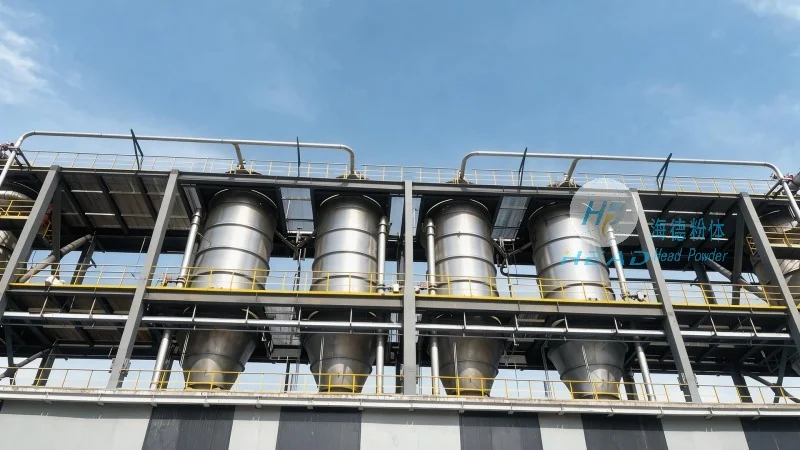
Key Considerations for Selecting a Conveying Method
When selecting a mineral powder conveying method, several factors must be considered to ensure the best fit for a specific application. These include the physical properties of the mineral powder, such as particle size, density, and moisture content, as well as the required transport distance and capacity. HeadPowder Engineering provides comprehensive consultation services to help clients evaluate these factors and choose the most suitable conveying system. The company’s engineers work closely with clients to understand their operational needs and recommend solutions that balance efficiency, cost, and material integrity. Additionally, environmental regulations and safety considerations play a crucial role in the selection process, with HeadPowder Engineering ensuring that all systems comply with relevant standards and guidelines.
Conclusion
Mineral powder conveying is a complex process that requires careful consideration of various factors to achieve optimal results. HeadPowder Engineering, with its extensive experience and advanced technology, offers a range of conveying solutions tailored to meet the diverse needs of industrial clients. Whether using pneumatic, mechanical, hydraulic, or vacuum systems, or a combination thereof, the company’s solutions are designed to enhance operational efficiency, reduce costs, and maintain material quality. By partnering with HeadPowder Engineering, industries can ensure reliable and effective mineral powder handling, supporting their overall productivity and success. With headquarters in Shandong, China, HeadPowder Engineering continues to lead the way in providing innovative conveying solutions for the global mineral processing industry.