

[Dry Ash Pneumatic Conveying: How to Efficiently Transport Powders and Granular Materials with Air F
Dry ash pneumatic conveying is a critical technology in the field of material handling, especially for transporting powders and granular materials like dry ash from one location to another. This method leverages air flow to move bulk materials through a network of pipes, offering a flexible and efficient solution compared to traditional mechanical conveyors. The effectiveness of this system depends on several key factors, including the design of the conveying system, the properties of the material being transported, and the operational parameters that ensure optimal performance.
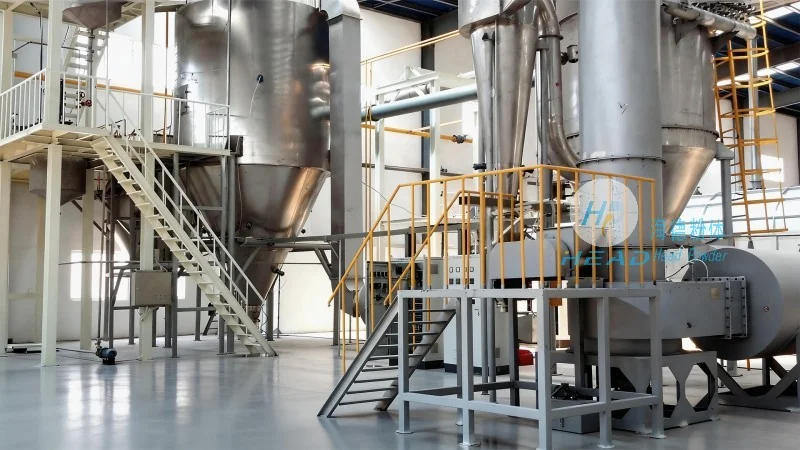
Understanding Dry Ash Pneumatic Conveying Systems
At the core of dry ash pneumatic conveying is the use of compressed air or gas to create a flow that propels the dry ash particles through a pipeline. The system typically consists of a dust collector, a conveyor line, and a discharge point. The process begins with the dry ash being drawn into the system by the air flow, which then carries the material to its destination. This method is particularly advantageous for handling fine or abrasive materials that might be difficult to transport using mechanical means.
Key Components and Their Roles
The efficiency of a dry ash pneumatic conveying system is determined by its key components. The air compressor or blower provides the necessary pressure to generate the air flow, while the pipeline network ensures the material is transported over long distances or between different levels. The material feed system, often a hopper or a rotary valve, controls the flow of dry ash into the system, preventing blockages and ensuring a consistent feed rate. Additionally, the system may include filters or cyclones to separate the air from the ash particles at the discharge end, maintaining air quality and preventing dust emissions.
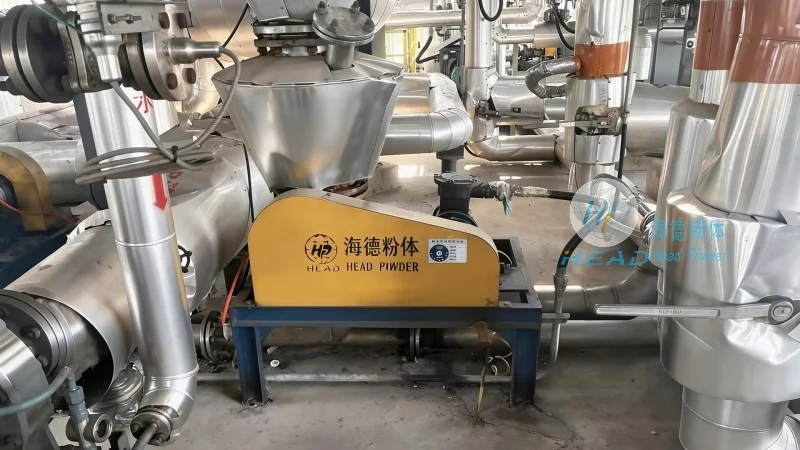
Advantages of Dry Ash Pneumatic Conveying
Compared to traditional conveyor systems, dry ash pneumatic conveying offers several significant advantages. One of the most notable benefits is its ability to handle a wide range of material properties, from fine powders to coarse granules, without the need for additional equipment like screens or crushers. This flexibility makes it suitable for various industrial applications, including power plants, cement plants, and waste management facilities. Another key advantage is the system's compact design, which reduces the footprint required for installation and allows for easier integration into existing facilities. Furthermore, pneumatic conveying systems are generally more energy-efficient than mechanical systems, as they minimize friction and material wear, leading to lower operational costs over time.
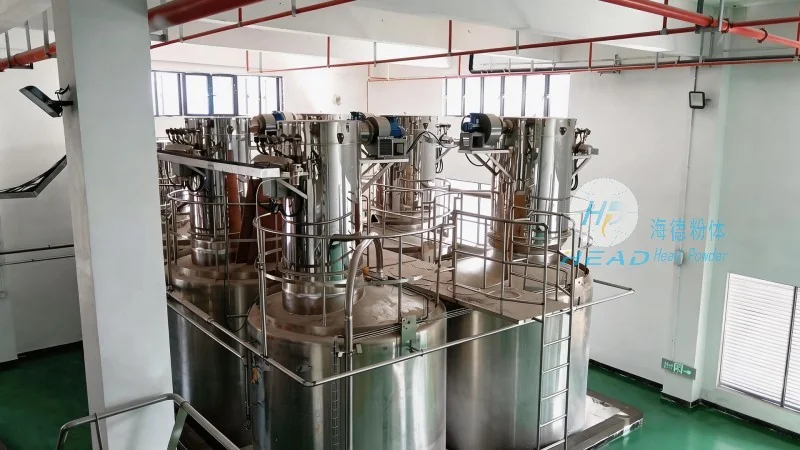
Application Scenarios and Operational Considerations
Dry ash pneumatic conveying is widely used in industries where the handling of dry ash is a critical step in the production process. For example, in thermal power plants, the system is used to transport fly ash from the boiler to storage silos or for further processing. In cement manufacturing, it helps in the transport of raw materials and finished products, ensuring a smooth and continuous production flow. When implementing such a system, several operational considerations must be taken into account. The selection of the appropriate air velocity is crucial, as too low a velocity may cause material settling or blockages, while too high a velocity can increase energy consumption and wear on the system components. Additionally, the design of the pipeline must account for the material's density, flowability, and abrasiveness to prevent wear and tear, ensuring the longevity of the system.
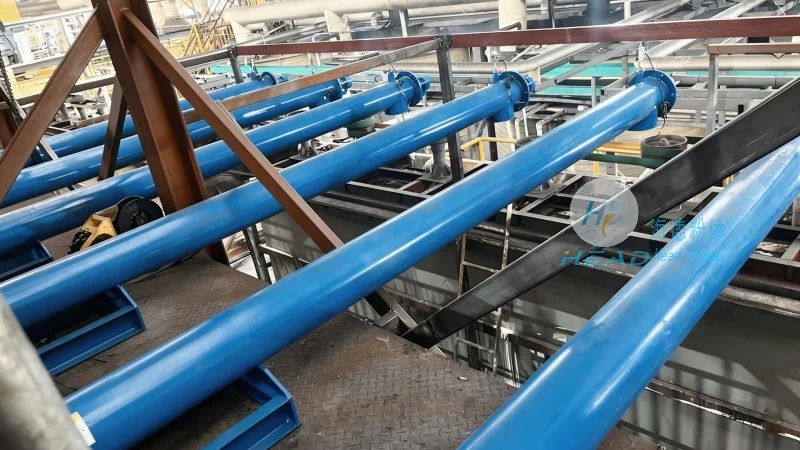
HeadPowder Engineering: Expert in Dry Ash Pneumatic Conveying Solutions
Shandong HeadPowder Engineering Co., Ltd., a leading provider of material handling solutions, specializes in designing and manufacturing advanced dry ash pneumatic conveying systems. With a focus on innovation and customer-centric solutions, HeadPowder has established itself as a trusted partner for industries requiring reliable and efficient material transport. The company's expertise lies in understanding the unique challenges of handling dry ash and developing customized systems that meet the specific needs of each client. By leveraging cutting-edge technology and rigorous engineering standards, HeadPowder ensures that its systems deliver optimal performance, durability, and cost-effectiveness.
Customization and After-Sales Support
HeadPowder understands that every industrial application has distinct requirements, which is why the company offers comprehensive customization options for its dry ash pneumatic conveying systems. Whether it's a standard system for short-distance transport or a complex network for multi-level operations, HeadPowder's engineering team works closely with clients to design a solution that maximizes efficiency and minimizes downtime. The company also provides robust after-sales support, including maintenance services, spare parts availability, and technical assistance, ensuring that clients can rely on their systems for long-term operation. This commitment to customer satisfaction has made HeadPowder a preferred choice for businesses seeking reliable and high-performance dry ash handling solutions.