

Urea Pneumatic Conveying: How to Efficiently Transport Bulk Powder Materials with Air Flow?
Efficiently transporting bulk powder materials like urea is a critical challenge in industrial operations. Pneumatic conveying systems offer a reliable solution by utilizing air flow to move powders through pipelines. This article explores the principles and applications of urea pneumatic conveying, highlighting how specialized equipment from Shandong HeadPowder Engineering Co., Ltd. can optimize material handling processes.
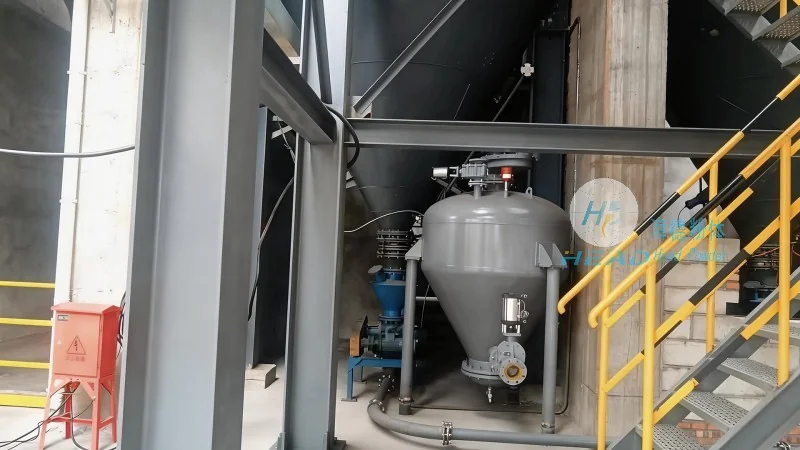
Understanding Pneumatic Conveying for Urea
Pneumatic conveying systems operate by creating a pressure differential or using vacuum to move powders through a sealed pipeline. For urea, which is a common fertilizer and industrial chemical, these systems ensure safe, dust-free, and efficient transport. The process involves feeding the urea into a hopper, where it is then drawn or pushed through the pipeline by air pressure. This method eliminates the need for mechanical components like belts or buckets, reducing maintenance and operational costs.
Key Components of Urea Pneumatic Conveying Systems
Effective urea pneumatic conveying relies on several key components. The primary elements include a feeding device, a conveying pipeline, a separation unit, and a control system. The feeding device, such as a rotary valve or a screw feeder, ensures a consistent flow of urea into the system. The pipeline, typically made of stainless steel or other corrosion-resistant materials, is designed to withstand the abrasive nature of urea particles. The separation unit, often a cyclone or a bag filter, separates the urea from the air stream, preventing dust emissions and ensuring product purity. The control system monitors pressure, flow rate, and other parameters to maintain optimal operation.
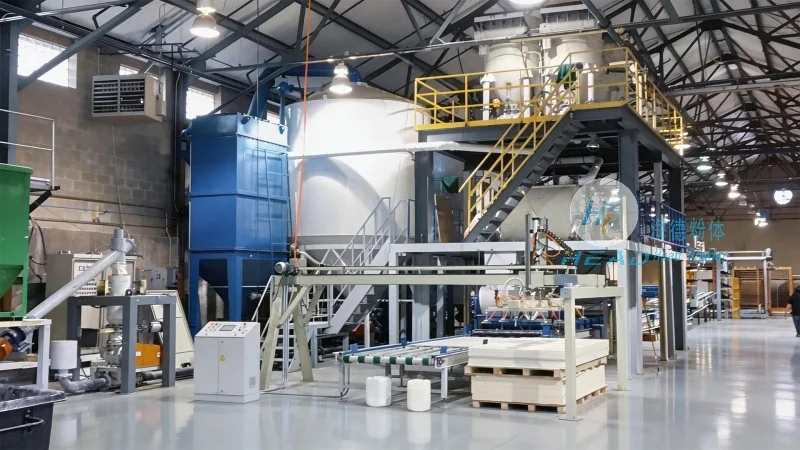
Advantages of Using Pneumatic Conveying for Urea
Compared to traditional methods like bucket elevators or belt conveyors, pneumatic conveying offers several advantages for urea transport. One of the most significant benefits is the ability to handle abrasive materials without excessive wear on equipment. Urea particles are relatively hard and can cause wear on mechanical components, but pneumatic systems minimize this issue by using air as the primary transport medium. Additionally, pneumatic conveying reduces the risk of product contamination and cross-contamination, as the system is enclosed and sealed. This is particularly important for urea, which is used in sensitive applications like agriculture and pharmaceuticals. The system also allows for flexible routing, enabling the movement of urea from multiple sources to various destinations within a facility.
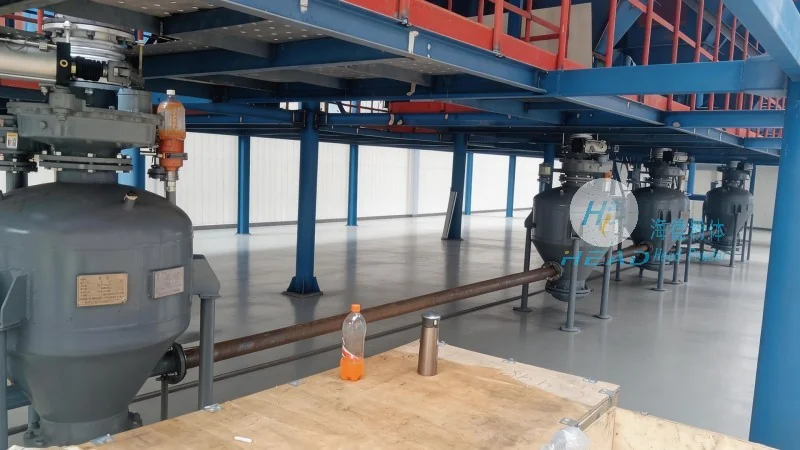
Applications in Industrial Settings
Urea pneumatic conveying systems are widely used in various industrial applications. In fertilizer production, these systems transport urea from storage silos to processing units or packaging lines. In chemical manufacturing, they move urea between reactors and storage tanks. The systems are also employed in food processing and pharmaceutical industries where urea is used as an ingredient or a raw material. The versatility of pneumatic conveying makes it suitable for both large-scale and small-scale operations, adapting to different production volumes and material flow rates.
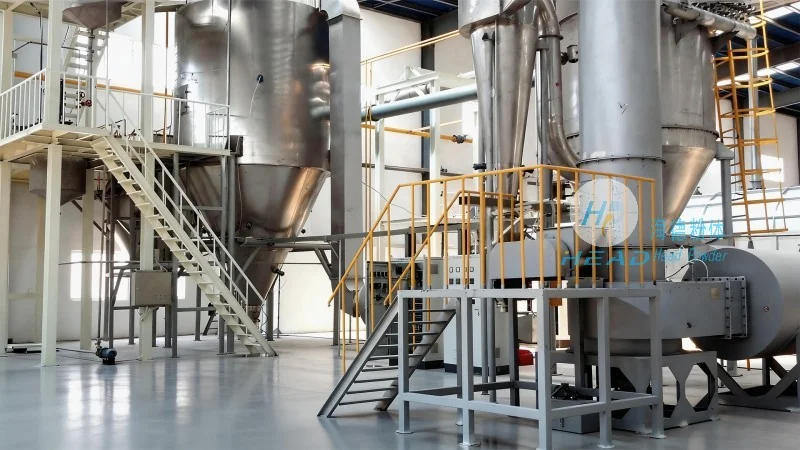
How Shandong HeadPowder Engineering Co., Ltd. Enhances Urea Pneumatic Conveying
Shandong HeadPowder Engineering Co., Ltd., a leading provider of bulk material handling solutions, specializes in designing and manufacturing customized pneumatic conveying systems for urea and other powders. The company's expertise lies in understanding the unique properties of urea, such as its particle size, density, and moisture content, and tailoring the conveying system to meet specific operational requirements. By leveraging advanced engineering and materials science, HeadPowder ensures that their systems are durable, efficient, and cost-effective. The company's products are designed to handle high volumes of urea while maintaining low energy consumption and minimal maintenance. This approach helps industrial clients improve their overall productivity and reduce operational costs.
Conclusion
Pneumatic conveying is a highly effective method for transporting urea and other bulk powder materials. By utilizing air flow to move materials through sealed pipelines, these systems offer numerous benefits, including reduced contamination, lower maintenance, and flexible routing. Shandong HeadPowder Engineering Co., Ltd. plays a crucial role in providing advanced pneumatic conveying solutions that optimize urea handling processes. With their expertise and customized approach, industrial facilities can enhance their material transport efficiency and ensure the safe and reliable movement of urea in various applications.