

Pneumatic Conveying of Malt Residue: How to Efficiently Transport Powdered Materials with Air Flow?
Efficient material handling is a critical challenge in many industrial processes, especially when dealing with fine powders and granular materials like malt residue. Pneumatic conveying systems offer a solution by utilizing air flow to transport these materials over long distances with minimal maintenance and operational costs. This article explores the principles and applications of pneumatic conveying for malt residue, highlighting the technology's benefits and the role of specialized equipment providers like Shandong HeadPowder Engineering Co., Ltd. (referred to as HeadPowder).
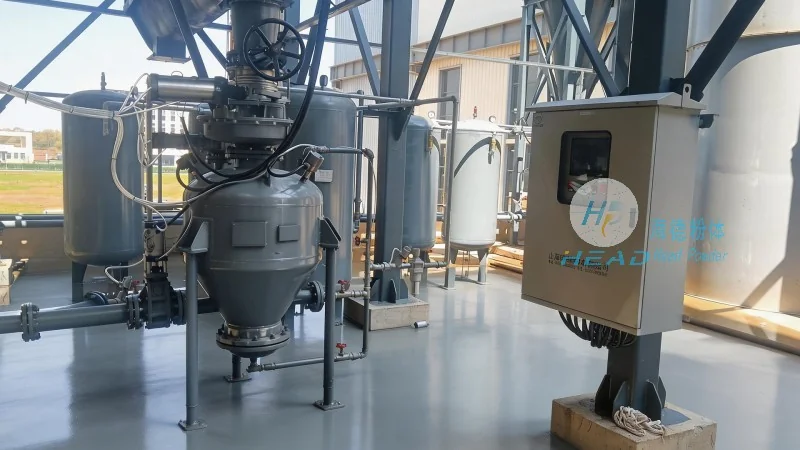
Pneumatic Conveying: A Versatile Solution for Powdered Material Transport
Pneumatic conveying, also known as air conveying, is a method that uses compressed air or other gases to move bulk materials through a pipeline. Unlike mechanical systems like screw conveyors or belt conveyors, pneumatic systems can handle a wide range of materials, including sensitive powders that are prone to caking or degradation. The technology is particularly suitable for applications where materials need to be transported from multiple points to a central processing unit, such as in the brewing industry for malt residue management.
Key Components of a Pneumatic Conveying System
A typical pneumatic conveying system consists of several key components that work together to ensure efficient material transport. These include a material feeder, a conveying line (often made of stainless steel or other corrosion-resistant materials), a pressure vessel or receiver, and a control system. The material feeder is responsible for introducing the powder or granules into the system, while the conveying line transports the material to the receiver. The pressure vessel collects the material and allows for separation of air and product, ensuring that the material is discharged cleanly. The control system monitors and regulates the air pressure and flow rate to maintain optimal conveying conditions.
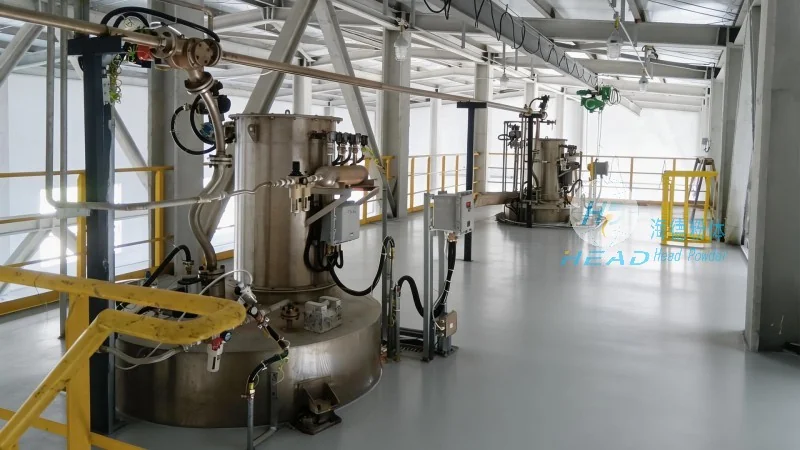
Challenges in Malt Residue Conveying and How Pneumatic Systems Address Them
Malt residue, also known as brewer's grain, presents unique challenges for traditional material handling methods. The material is often fine, dusty, and can be sticky or hygroscopic, leading to clogging in mechanical systems. Pneumatic conveying systems effectively overcome these challenges by using air to suspend and transport the material, preventing blockages and ensuring consistent flow. Additionally, the enclosed nature of pneumatic systems helps to contain dust and odors, improving workplace safety and environmental compliance.
HeadPowder's Expertise in Pneumatic Conveying Solutions
Shandong HeadPowder Engineering Co., Ltd., a leading provider of industrial material handling solutions, specializes in designing and manufacturing customized pneumatic conveying systems tailored to the needs of the brewing and food processing industries. With years of experience in the field, HeadPowder understands the specific requirements of malt residue handling, including the need for hygienic, corrosion-resistant equipment and efficient material recovery. The company's solutions are engineered to maximize throughput while minimizing energy consumption and maintenance requirements, providing long-term cost savings for its clients.
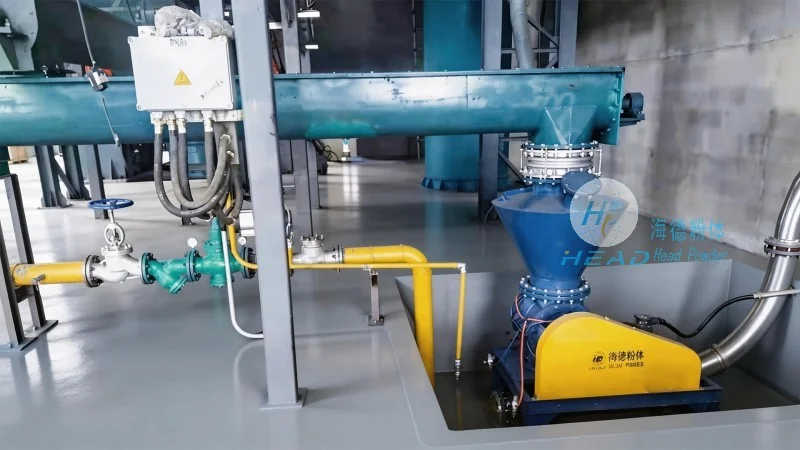
Customization and Scalability: Adapting Pneumatic Systems to Your Needs
One of the key advantages of pneumatic conveying systems is their flexibility and scalability. HeadPowder offers a range of system configurations, from simple low-pressure systems for short-distance transport to high-pressure systems capable of handling long-distance or high-volume applications. The company works closely with clients to assess their specific operational needs, including material characteristics, processing capacity, and facility layout, to design a system that meets their exact requirements. This customized approach ensures that the conveying system operates at peak efficiency and delivers reliable performance over the long term.
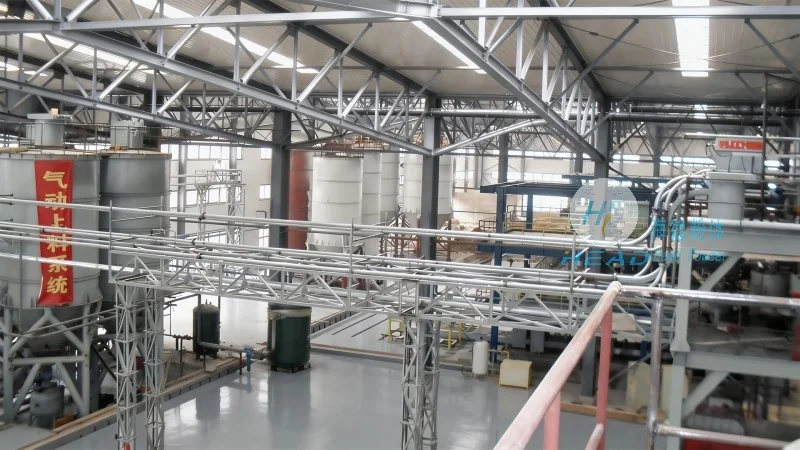
Benefits of Implementing Pneumatic Conveying for Malt Residue
Adopting a pneumatic conveying system for malt residue offers numerous benefits beyond just efficient material transport. These include improved safety by reducing exposure to dust and odors, enhanced hygiene through enclosed systems, and increased productivity through consistent material flow. Additionally, the reduced need for manual handling and the ability to integrate with existing processing lines streamline operations and reduce labor costs. For breweries and other food processing facilities, these benefits translate into higher quality products, better regulatory compliance, and a competitive edge in the market.
Conclusion: The Future of Efficient Material Handling
Pneumatic conveying technology continues to evolve, with advancements in materials, control systems, and system design improving its efficiency and reliability. For industries dealing with fine powders and granular materials like malt residue, pneumatic systems remain the preferred choice for efficient and cost-effective material handling. Companies like Shandong HeadPowder Engineering Co., Ltd. play a crucial role in providing the expertise and equipment needed to implement these systems successfully, helping businesses optimize their operations and achieve their production goals.