

[Cotton Seed Pneumatic Conveying: How to Efficiently Transport Powder and Granular Materials with Ai
Cotton seed pneumatic conveying is a critical process in the agricultural and industrial sectors, particularly for efficiently handling and transporting cotton seeds and other fine or granular materials. The method leverages air flow to move materials through a system of pipes and ducts, offering advantages such as reduced contamination, improved safety, and enhanced operational efficiency compared to traditional mechanical conveying systems. For industries dealing with cotton seeds, understanding how to implement this technology effectively is essential for optimizing production workflows and maintaining product quality.
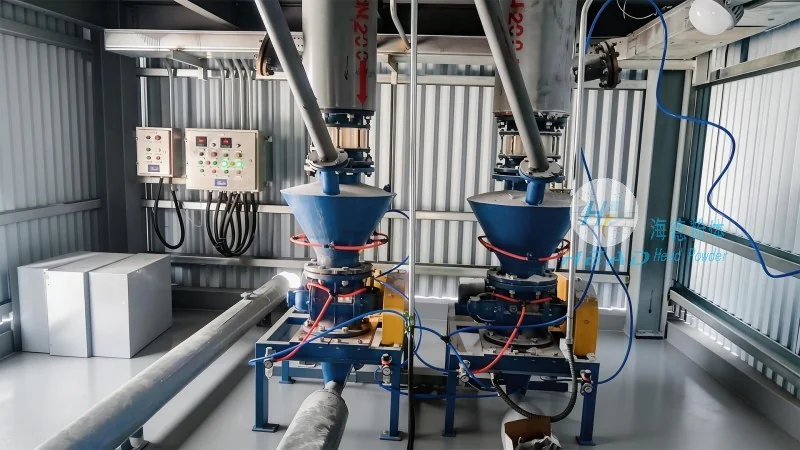
Understanding Pneumatic Conveying Systems for Cotton Seeds
Pneumatic conveying systems for cotton seeds typically consist of several key components, including a hopper for material storage, a blower or compressor to generate air pressure, a pipeline network for material transport, and a receiver or discharge point for the delivered material. The system operates by drawing air and material from the hopper into the pipeline, where the air flow propels the seeds forward. This process can be either pressure-based (where air is forced through the system) or vacuum-based (where air is drawn through the system). The choice of system type depends on factors such as the distance to be covered, the volume of material to be transported, and the specific characteristics of the cotton seeds, including their size, moisture content, and density.
The Role of Air Flow in Efficient Material Transport
The efficiency of cotton seed pneumatic conveying is heavily dependent on the characteristics of the air flow used. Proper air velocity and pressure are crucial for ensuring that the seeds are moved smoothly without causing excessive wear on the system components or damaging the seeds themselves. High air velocities can lead to increased energy consumption and potential material degradation, while low velocities may result in clogging or inefficient transport. Engineers and operators must carefully calibrate the air flow parameters to achieve optimal performance, balancing the need for efficient transport with the need to preserve the quality of the cotton seeds. This involves considering factors such as the particle size distribution of the seeds, the presence of moisture, and the overall system design.
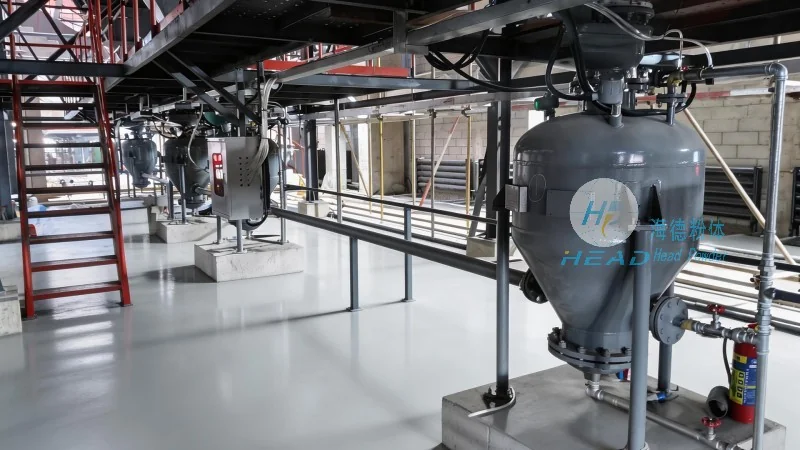
Advantages of Using Pneumatic Conveying for Cotton Seeds
Implementing a pneumatic conveying system for cotton seeds offers several distinct advantages over traditional conveying methods. One of the primary benefits is the reduction of contamination risks, as the enclosed system prevents exposure to external elements such as dust, moisture, or contaminants. This is particularly important for cotton seeds, which are often used in food or industrial applications where purity is critical. Additionally, pneumatic conveying systems can improve safety by eliminating the need for manual handling of materials, reducing the risk of accidents and injuries in the workplace. From an operational perspective, these systems can enhance efficiency by allowing for continuous, automated material transport, minimizing downtime and labor costs. The ability to transport materials over long distances without the need for intermediate storage or handling points also contributes to streamlined production processes.
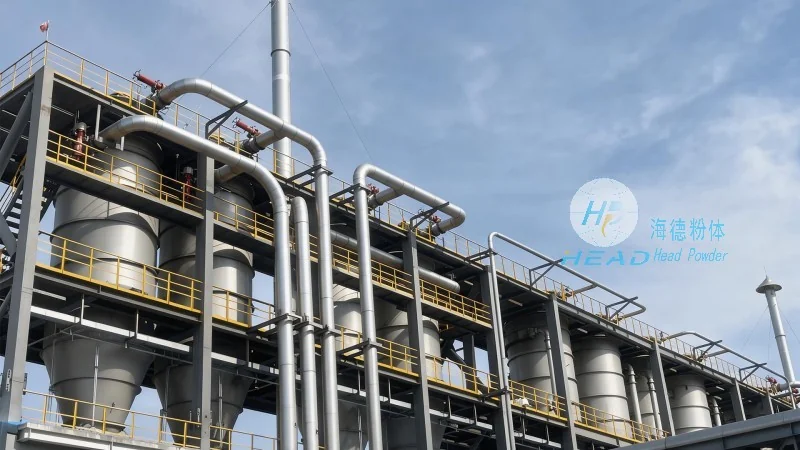
Key Considerations for Designing and Implementing a Cotton Seed Pneumatic Conveying System
Designing an effective cotton seed pneumatic conveying system requires careful consideration of several factors to ensure optimal performance and longevity. First, the material properties of the cotton seeds must be thoroughly analyzed, including their size, shape, moisture content, and density. These characteristics will influence the selection of the appropriate air flow velocity and pressure, as well as the design of the system components such as the hopper and pipeline. For example, seeds with high moisture content may require additional drying steps or specialized equipment to prevent clogging and maintain system efficiency. Second, the system layout and distance to be covered must be carefully planned to minimize energy consumption and maximize material transport efficiency. This includes selecting the appropriate pipe diameter and material, as well as optimizing the placement of components such as the blower and receiver. Third, the system must be equipped with appropriate controls and monitoring devices to ensure safe and efficient operation. This may include pressure sensors, flow meters, and alarm systems to detect and address issues such as clogging or air leaks in real-time.
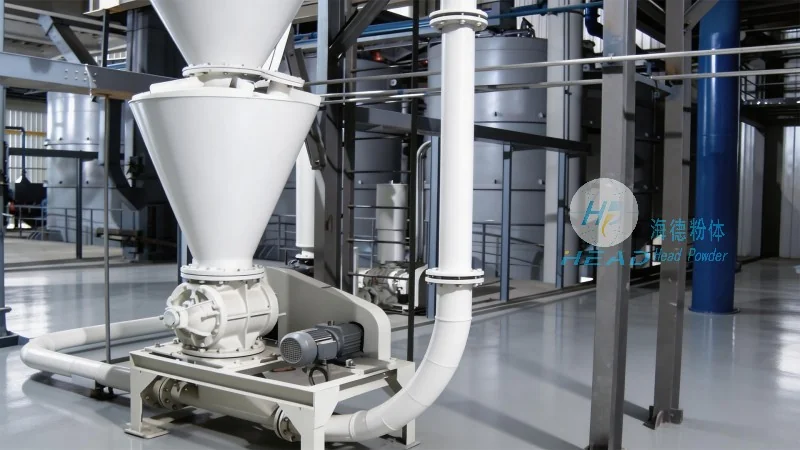
Case Study: Successful Implementation of a Cotton Seed Pneumatic Conveying System by Shandong HeadPowder Engineering Co., Ltd.
Shandong HeadPowder Engineering Co., Ltd., a leading provider of material handling solutions, has successfully implemented a cotton seed pneumatic conveying system for a major cotton processing facility. The system was designed to transport cotton seeds from a storage silo to a processing plant over a distance of 200 meters, with a capacity of 10 tons per hour. The system utilized a pressure-based pneumatic conveying approach, with a blower capable of generating 150 kPa of pressure and an air flow rate of 10 m³/min. The design incorporated a hopper with a capacity of 50 tons, equipped with a rotary valve for material discharge, and a pipeline network made of stainless steel to prevent corrosion and maintain material purity. The system was installed and commissioned by HeadPowder's engineering team, who conducted thorough testing to ensure optimal performance. The results showed that the system achieved a transport efficiency of 98%, with minimal material loss and no clogging issues. The facility reported significant improvements in production efficiency and reduced labor costs, as the automated system eliminated the need for manual handling of cotton seeds. This case study highlights the effectiveness of pneumatic conveying systems in optimizing cotton seed transport and demonstrates the expertise of HeadPowder in designing and implementing such systems.
Conclusion: The Future of Cotton Seed Pneumatic Conveying
As the demand for efficient and sustainable material handling solutions continues to grow, pneumatic conveying systems for cotton seeds are becoming increasingly important in the agricultural and industrial sectors. The technology offers a reliable and effective method for transporting fine and granular materials, with advantages such as reduced contamination, improved safety, and enhanced operational efficiency. For industries dealing with cotton seeds, investing in a well-designed pneumatic conveying system can lead to significant improvements in production efficiency and product quality. By carefully considering the material properties, system design, and operational requirements, companies can implement a system that meets their specific needs and contributes to their long-term success. With the expertise of companies like Shandong HeadPowder Engineering Co., Ltd., the implementation of effective cotton seed pneumatic conveying systems is becoming more accessible and efficient, ensuring that the technology continues to play a vital role in the future of material handling.