

Classification and Composition of Sawdust Wood Chip Pneumatic Conveying Systems
HeadPowder, a prominent engineering firm headquartered in Shandong, China, specializes in the development and production of advanced pneumatic conveying systems tailored for handling wood chips and sawdust. The company's expertise lies in delivering efficient and dependable solutions for material handling within the woodworking and allied industries, ensuring optimal performance and minimal operational disruptions.
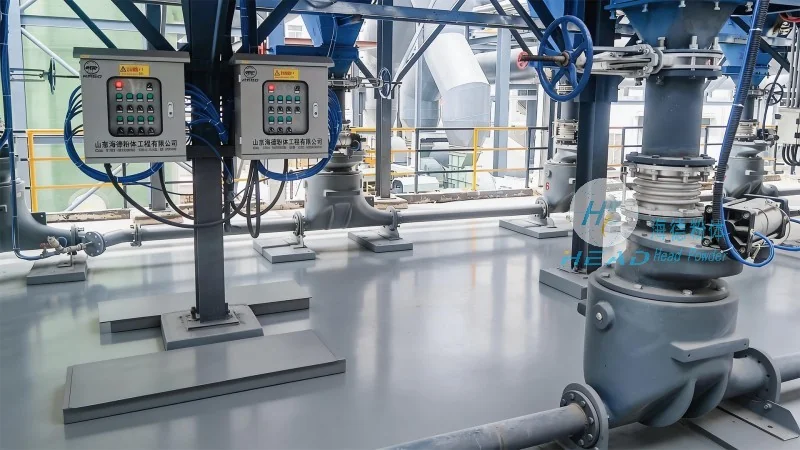
Classification of Sawdust and Wood Chip Pneumatic Conveying Systems
Wood chip and sawdust pneumatic conveying systems are generally classified based on the pressure of the conveying medium. The primary categories are pressure systems and vacuum systems. Pressure systems utilize compressed air or gas to push material through the pipeline, while vacuum systems employ a vacuum to draw material from the source to the destination. The choice between these systems depends on factors such as the distance of material transport, the physical properties of the wood chips (e.g., size, moisture content), and the specific operational requirements of the application. Pressure systems are often preferred for long-distance or high-volume transport due to their ability to maintain consistent flow rates, whereas vacuum systems are suitable for short-distance or low-volume applications where the material needs to be moved from a lower elevation to a higher one.
Components of a Typical Pneumatic Conveying System
A standard sawdust and wood chip pneumatic conveying system comprises several essential components that collaborate to facilitate material transport. The key components include the material feed hopper, which stores the wood chips or sawdust and feeds it into the system; the conveying pipeline, which serves as the pathway for the material; the air compressor or vacuum pump, which generates the necessary pressure or vacuum to move the material; the control system, which regulates the flow of material and air; and the discharge hopper or silo, where the material is collected at the end of the line. Each component plays a critical role in ensuring the system operates smoothly and efficiently.
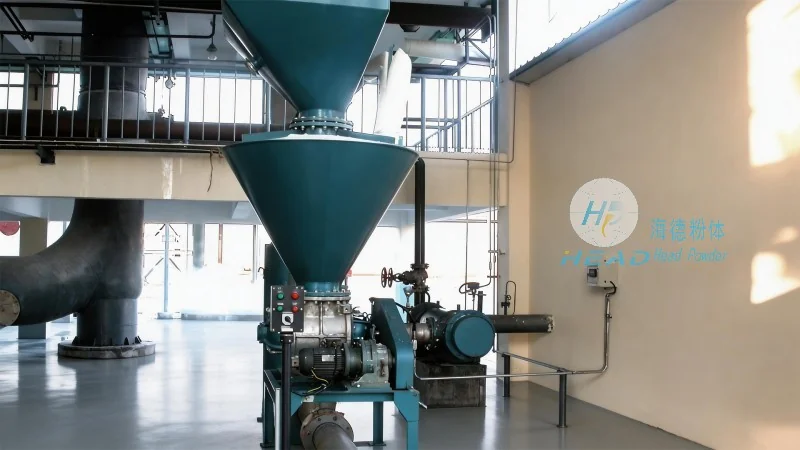
Material Feed Hopper and Feeding Mechanism
The material feed hopper is a crucial component that holds the wood chips or sawdust and feeds it into the conveying system. It is typically designed with a hopper body and a feeding mechanism, such as a screw feeder or a vibrating feeder, to ensure a consistent and controlled flow of material. The design of the hopper is important to prevent material bridging or clogging, which can disrupt the system's operation. The feeding mechanism is often adjustable to control the flow rate, allowing for precise control over the amount of material being conveyed. For example, a screw feeder can be adjusted by changing the speed or the pitch of the screw, while a vibrating feeder uses vibration to move the material forward.
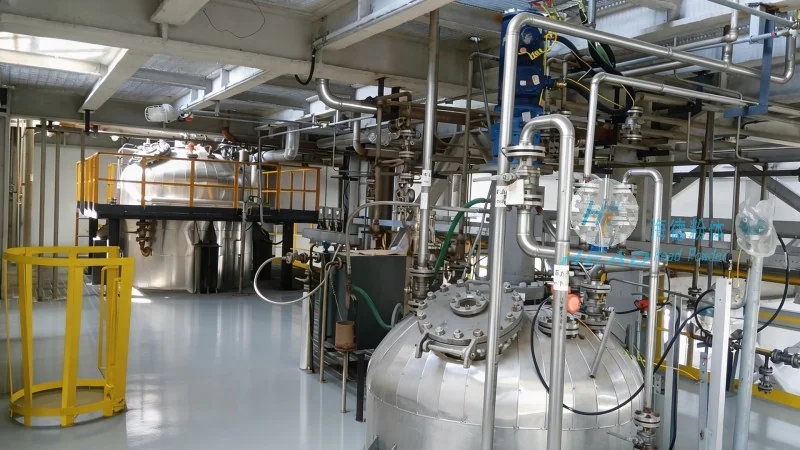
Conveying Pipeline and Material Transport
The conveying pipeline is the core of the pneumatic conveying system, responsible for transporting the wood chips or sawdust from the source to the destination. The pipeline is typically made of materials such as stainless steel or plastic, which are chosen based on the material's properties and the operating conditions. Stainless steel is preferred for systems handling materials with high moisture content or corrosive properties, as it resists rust and corrosion. Plastic pipelines are often used for systems handling dry wood chips or sawdust, as they are lightweight and cost-effective. The pipeline is usually installed with appropriate supports and clamps to maintain its alignment and prevent sagging or damage. The diameter of the pipeline is determined based on the flow rate and the material's particle size, ensuring that the material can be transported without excessive pressure drop or blockage.
Air Compressor or Vacuum Pump
The air compressor or vacuum pump is the power source of the pneumatic conveying system, responsible for generating the necessary pressure or vacuum to move the material. In pressure systems, a positive displacement compressor, such as a rotary lobe or a screw compressor, is commonly used. These compressors are capable of delivering high pressure air or gas, which is then used to push the material through the pipeline. The compressor is typically equipped with a filter and a dryer to remove moisture and contaminants from the air, ensuring that the material is not damaged or contaminated during transport. In vacuum systems, a vacuum pump, such as a rotary vane or a liquid ring pump, is used to create a vacuum in the pipeline, which pulls the material from the source to the destination. The vacuum pump is also equipped with a filter to remove any dust or debris from the air, maintaining the system's efficiency and longevity.