

Classification and Composition of Lightweight Cement Pneumatic Conveying Systems
Lightweight cement pneumatic conveying systems are critical for efficient material handling in construction and industrial settings. These systems leverage air pressure to transport lightweight cement and related powders, offering advantages such as reduced labor costs, minimized dust exposure, and enhanced safety compared to traditional methods like bucket elevators or belt conveyors. The technology is particularly valuable for handling materials with low bulk density, ensuring smooth and reliable material transport over long distances or within complex layouts.
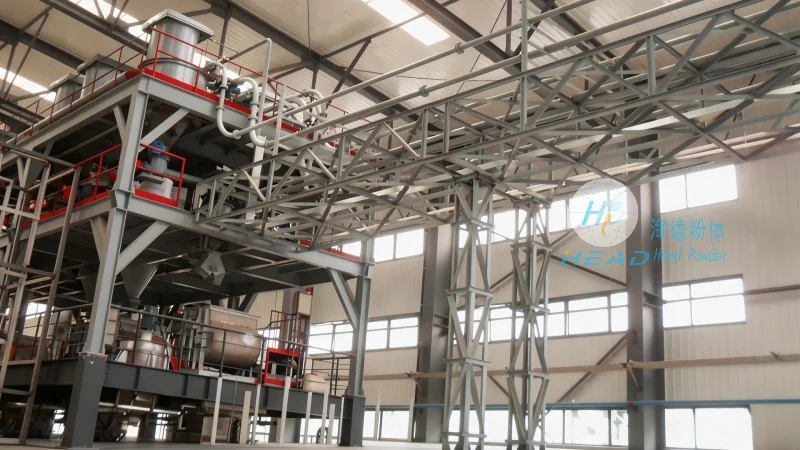
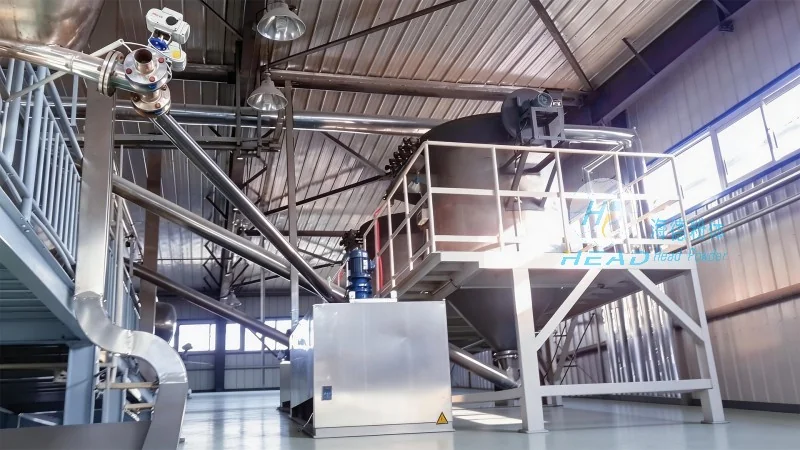
Classification of Lightweight Cement Pneumatic Conveying Systems
Lightweight cement pneumatic conveying systems can be categorized based on the air flow direction and material introduction method. The primary classifications include:
- Absorptive Conveying Systems: These systems use negative pressure (suction) to draw material from a source, such as a hopper or storage silo, into the conveying line. Ideal for applications where material is at a higher elevation or collected from multiple points, they employ a vacuum pump to create a pressure differential, pulling lightweight cement particles into the pipeline.
- Pressurized Conveying Systems: In contrast, pressurized systems use positive pressure (blowing) to push material through the pipeline. Suitable for long-distance transport or when material needs to be delivered to a higher elevation, a blower or compressor generates the necessary pressure, ensuring efficient material movement through the system.
- Mixed Conveying Systems: Some systems combine both suction and pressure principles. This hybrid approach offers flexibility, enabling the system to handle materials from different sources or adapt to varying process requirements. Mixed systems optimize energy consumption based on specific material and application needs.
Key Components of Lightweight Cement Pneumatic Conveying Systems
Each lightweight cement pneumatic conveying system consists of several critical components working in tandem to ensure effective material transport. Understanding these components is vital for selecting the right system and maintaining optimal performance.
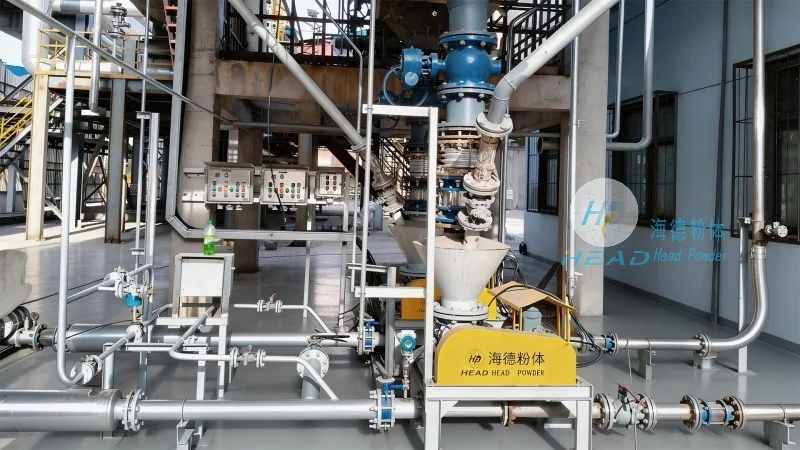
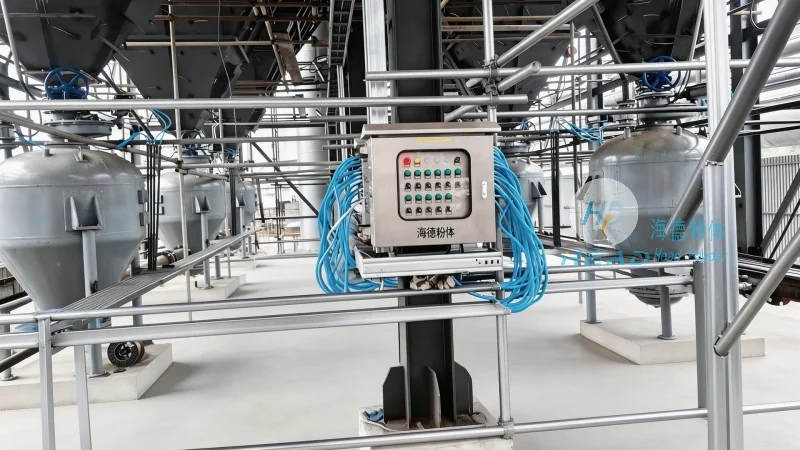
- Conveying Pipelines: The pipeline network forms the backbone of the system, transporting lightweight cement particles. Typically made of stainless steel or high-quality plastic, the pipelines are designed to withstand pressure and abrasion from the material. Diameter and length are carefully selected based on material flow characteristics and conveying distance.
- Air Source Equipment: This component generates the necessary air pressure or vacuum. For absorptive systems, a vacuum pump is used; pressurized systems rely on a blower or compressor. The air source must deliver required airflow and pressure to maintain consistent material transport without excessive energy use.
- Material Feeders: The feeder introduces lightweight cement into the conveying line. Common types include rotary valves, star feeders, or screw feeders, controlling flow rate and ensuring consistent material feed. Proper feeding prevents blockages and maintains system efficiency.
- Separation and Collection Equipment: At the end of the conveying line, material is separated from air and collected. This is typically achieved using a cyclone separator or baghouse filter. The separator removes cement particles from the air stream, allowing air recycling or discharge. Collected material is transferred to a storage silo or processing unit.
- Control and Monitoring Systems: Modern systems include advanced control and monitoring equipment. These systems feature pressure sensors, flow meters, and control panels to monitor performance in real-time. Automated controls adjust air pressure, feed rate, or other parameters to optimize operation and prevent issues like overloading or blockages.
Applications and Benefits of Lightweight Cement Pneumatic Conveying Systems
Lightweight cement pneumatic conveying systems are widely used in industries like construction, manufacturing, and mining. Applications range from transporting lightweight cement for concrete production to handling powders like fly ash or silica fume. Key benefits include: