

Classification and Composition of Pneumatic Conveying Systems for Battery Materials
Welcome to Shandong HeadPowder Engineering Co., Ltd., a leading provider of advanced pneumatic conveying solutions tailored for the battery material industry. Our expertise lies in designing and manufacturing systems that efficiently handle various battery materials, ensuring optimal performance and reliability in material transport processes.
Introduction to Pneumatic Conveying Systems for Battery Materials
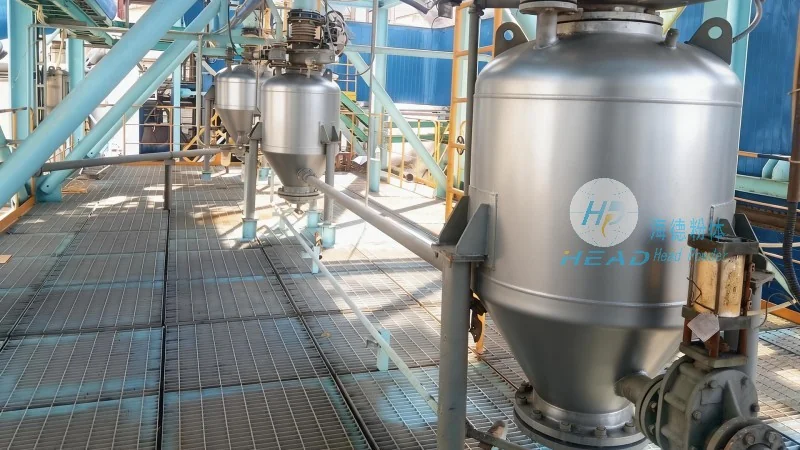
Pneumatic conveying systems are critical in the battery manufacturing process, enabling the safe and efficient transport of raw materials and intermediate products. These systems utilize air or other gases to move powders and granules through a pipeline network, offering advantages such as reduced contamination, minimal product degradation, and the ability to handle a wide range of material properties. For battery materials, which often include powders like lithium compounds, cobalt, nickel, and other active ingredients, the design of a suitable pneumatic conveying system is essential to maintain material integrity and ensure consistent quality in the final battery products.
Classification of Pneumatic Conveying Systems for Battery Materials
Pneumatic conveying systems for battery materials can be broadly classified into two main categories: pressure and vacuum systems. Each type has distinct characteristics and applications based on the material being handled and the operational requirements of the battery manufacturing facility.
Pressure Conveying Systems
Pressure conveying systems operate by forcing air or gas into a sealed pipeline, creating a positive pressure environment that propels the material forward. These systems are commonly used for transporting bulk quantities of battery materials over longer distances and are particularly effective for materials that are prone to caking or agglomeration. The primary components of a pressure system include a positive displacement blower, a material feed hopper, a conveying line, and a discharge device. The blower generates the necessary pressure to move the material, while the feed hopper ensures a consistent flow of material into the system. The conveying line is typically made of stainless steel or other corrosion-resistant materials to prevent contamination and ensure durability. The discharge device, such as a rotary valve or a filter, controls the release of material at the destination point.
Vacuum Conveying Systems
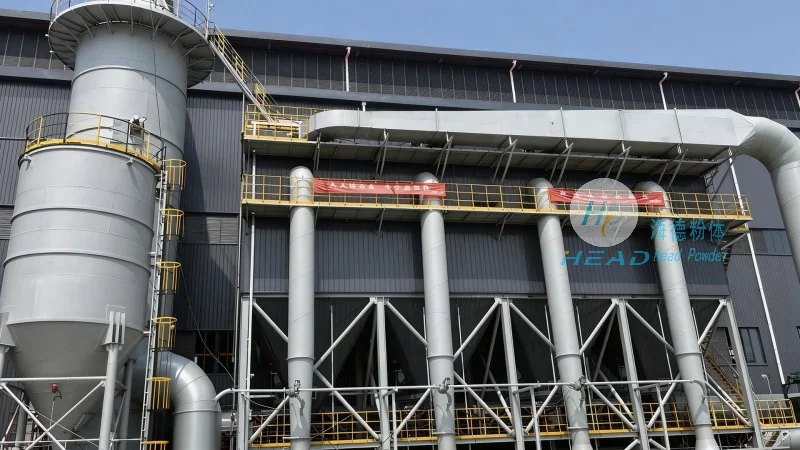
Vacuum conveying systems, on the other hand, operate by creating a negative pressure environment within the pipeline, drawing material from a source into the system. These systems are ideal for handling materials that are sensitive to pressure or require gentle handling, such as fine powders or materials that are prone to dust generation. The key components of a vacuum system include a vacuum pump, a material feed hopper, a conveying line, and a discharge device. The vacuum pump creates the suction force that pulls the material into the pipeline, while the feed hopper ensures a steady supply of material. The conveying line is often equipped with filters and cyclones to separate any entrained air or fine particles from the material. The discharge device then releases the material at the desired location, often with a dust collection system to maintain environmental compliance.
Key Components of Pneumatic Conveying Systems for Battery Materials
Regardless of the system type, pneumatic conveying systems for battery materials consist of several critical components that work together to ensure efficient and reliable operation. These components are designed to handle the specific challenges associated with battery materials, such as high purity requirements, abrasive properties, and the need for minimal contamination.
Material Feed Hopper and Feeder
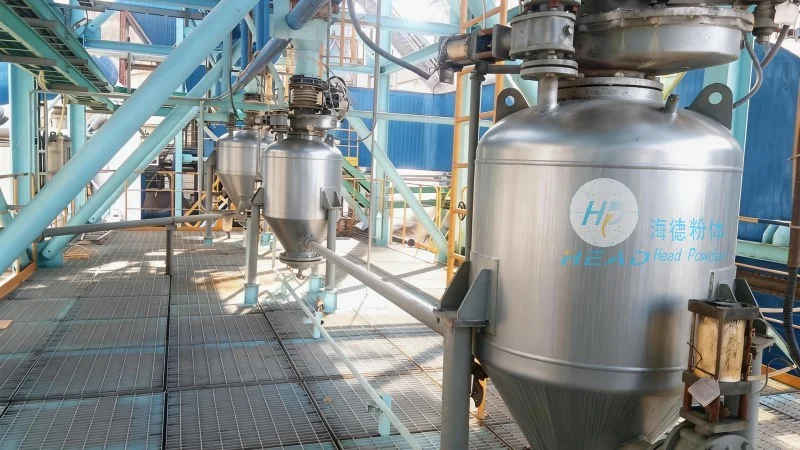
The material feed hopper is a critical component that stores and feeds the battery material into the conveying system. It is typically made of stainless steel or other corrosion-resistant materials to prevent contamination and ensure durability. The hopper is equipped with a feeder, such as a rotary valve or a screw feeder, which controls the flow rate of the material into the system. The feeder ensures a consistent and controlled feed of material, preventing overloading or underloading of the conveying line. For battery materials, which may have varying particle sizes and flow characteristics, the feeder is designed to handle these variations and maintain a stable flow rate.
Conveying Line and Pipeline Design
The conveying line is the main component of the pneumatic system, responsible for transporting the battery material from the source to the destination. The line is typically made of stainless steel or other corrosion-resistant materials to prevent contamination and ensure durability. The pipeline design is critical to the system's performance, as it must be able to handle the pressure or vacuum requirements of the system while minimizing pressure drop and ensuring efficient material transport. The line is often equipped with elbows, tees, and other fittings to direct the material flow and maintain a consistent velocity. For battery materials, which may be abrasive or have high moisture content, the pipeline is designed with smooth surfaces and minimal bends to prevent material buildup and ensure consistent flow.
Blower or Vacuum Pump
The blower or vacuum pump is the power source of the pneumatic conveying system, responsible for generating the necessary pressure or vacuum to move the material. The choice of pump depends on the system type and the material being handled. For pressure systems, a positive displacement blower is commonly used, which provides a consistent flow of air or gas at a high pressure. For vacuum systems, a vacuum pump is used, which creates a negative pressure environment to draw the material into the system. The pump is typically made of stainless steel or other corrosion-resistant materials to prevent contamination and ensure durability. The pump is equipped with controls to regulate the pressure or vacuum level, ensuring optimal performance and energy efficiency.
Discharge and Collection Equipment
The discharge and collection equipment is responsible for releasing the material from the conveying line and collecting it at the destination point. The equipment includes a discharge device, such as a rotary valve or a filter, and a dust collection system. The discharge device controls the release of material, ensuring a consistent and controlled flow. The dust collection system, such as a cyclone or a baghouse, separates any entrained air or fine particles from the material, preventing dust emissions and maintaining environmental compliance. For battery materials, which are often fine powders or have high purity requirements, the discharge and collection equipment is designed to minimize contamination and ensure that the material is handled in a clean and controlled manner.
Application Examples in Battery Manufacturing
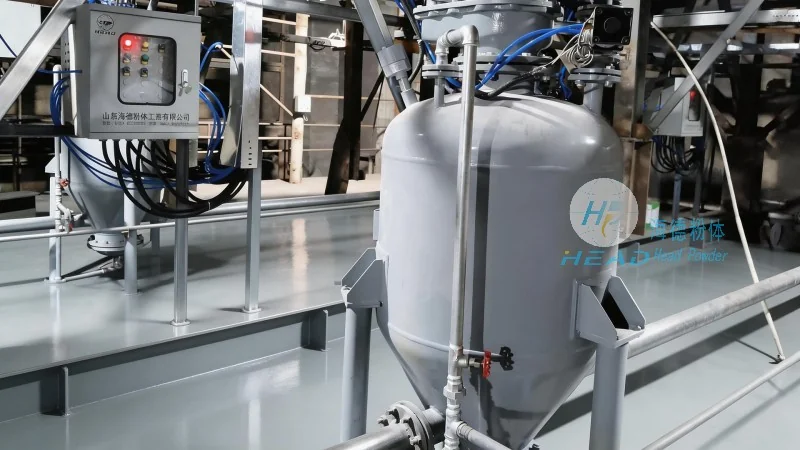
Pneumatic conveying systems are widely used in various stages of battery manufacturing, from raw material handling to intermediate product transport. For example, in the production of lithium-ion batteries, pneumatic systems are used to transport lithium compounds, cobalt, and nickel powders from storage hoppers to mixing and processing equipment. The systems ensure that these materials are handled gently and efficiently, maintaining their purity and preventing contamination. In another application, pneumatic conveying is used to transport finished battery cells from the assembly line to packaging and shipping facilities. The systems ensure that the cells are transported safely and efficiently, minimizing damage and ensuring consistent quality.
Benefits of Using Pneumatic Conveying Systems for Battery Materials
Implementing pneumatic conveying systems for battery materials offers several benefits that enhance the overall efficiency and quality of the battery manufacturing process. These benefits include:
- Improved Material Handling Efficiency: Pneumatic systems enable the efficient transport of bulk quantities of battery materials over long distances, reducing the need for manual handling and increasing production throughput.
- Reduced Contamination and Product Degradation: The enclosed nature of pneumatic systems prevents contamination from external sources and minimizes product degradation due to exposure to air or moisture.
- Enhanced Safety and Environmental Compliance: Pneumatic systems reduce the risk of dust explosions and emissions, ensuring compliance with environmental regulations and improving workplace safety.
- Flexibility and Scalability: Pneumatic systems can be easily adapted to handle different material types and production volumes, allowing for scalability as the battery manufacturing facility grows.
- Cost-Effective Operation: With proper maintenance and operation, pneumatic systems offer cost-effective material transport solutions, reducing labor costs and minimizing downtime.
Conclusion
Shandong HeadPowder Engineering Co., Ltd. specializes in providing high-quality pneumatic conveying systems tailored to the specific needs of the battery material industry. Our systems are designed to handle the unique challenges associated with battery materials, ensuring efficient, reliable, and safe material transport. By leveraging our expertise in system design and manufacturing, we help battery manufacturers improve their production processes, enhance product quality, and achieve their operational goals. Contact us today to learn more about our pneumatic conveying solutions and how we can support your battery manufacturing needs.