

Classification and Composition of Glycine Pneumatic Conveying Systems
When it comes to the efficient and reliable transportation of glycine through pneumatic conveying systems, understanding the classification and composition of such systems is crucial for optimizing operational performance and ensuring product integrity. This article provides an in-depth overview of the different types of gaseous conveying systems used for glycine, along with the key components that make up these systems, as presented by Shandong HeadPowder Engineering Co., Ltd., a leading provider in the field.
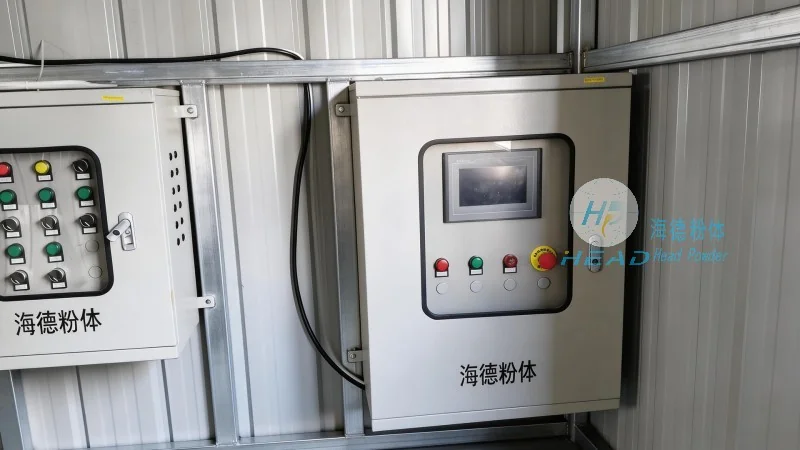
Glycine Pneumatic Conveying System Classification
There are primarily two main categories of pneumatic conveying systems for glycine: dilute-phase and dense-phase systems. Each type has distinct characteristics and applications, tailored to the specific requirements of the process.
Dilute-phase systems, also known as low-pressure systems, are commonly used for short to medium-distance conveying of glycine. These systems operate by introducing air or other gases at low pressure, creating a suspension of the material in the conveying medium. The key advantage of dilute-phase systems is their ability to handle large volumes of material with relatively low energy consumption. However, they may not be suitable for long-distance or high-density applications due to potential material degradation or blockages.
Dense-phase systems, on the other hand, are high-pressure systems that use compressed air or nitrogen to transport glycine in a more concentrated form. This method is ideal for long-distance conveying, as it reduces the risk of material degradation and ensures a more consistent flow. Dense-phase systems are particularly effective for transporting glycine over distances exceeding several hundred meters, making them a preferred choice for industrial applications where reliability and product quality are paramount.
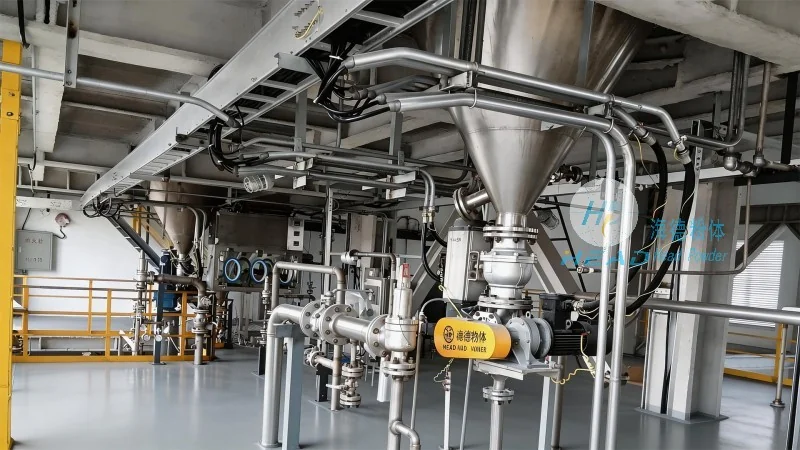
Key Components of Glycine Pneumatic Conveying Systems
The effective operation of a glycine pneumatic conveying system relies on several critical components, each playing a vital role in the overall system performance. These components are meticulously designed and manufactured to meet the specific demands of glycine transportation, ensuring safety, efficiency, and durability.
Firstly, the conveying line is the primary pathway through which glycine is transported. This can be made from various materials such as stainless steel, polyethylene, or other corrosion-resistant substances, depending on the application and the properties of the glycine being conveyed. The choice of material is crucial to prevent contamination and ensure the longevity of the system.
Secondly, the feeders are essential for controlling the flow rate of glycine into the conveying line. Proper feeding is critical to maintain a consistent and stable flow, preventing overloading or underloading that could lead to system inefficiencies or blockages. Different types of feeders, such as rotary valves, screw feeders, or vibratory feeders, may be used depending on the specific requirements of the process.
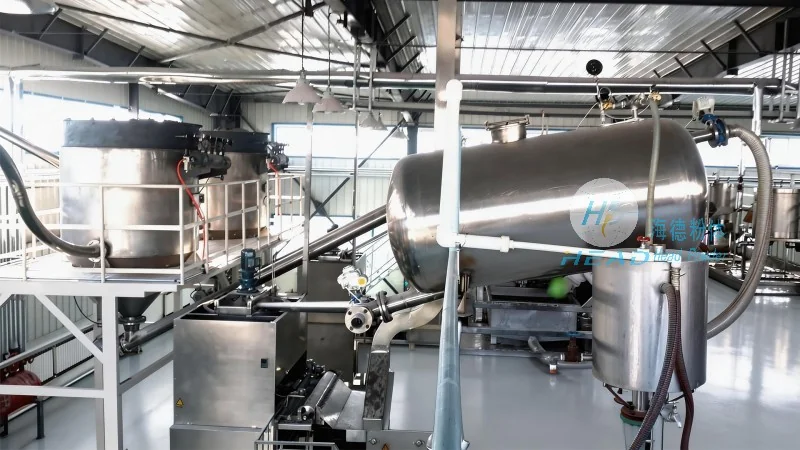
Thirdly, the air or gas source provides the necessary pressure and volume to move the glycine through the system. This can be a compressed air system, a nitrogen generator, or other gas supply, depending on the system design and the need for inert gas to prevent oxidation or other chemical reactions. The air or gas source must be equipped with appropriate filtration and drying systems to ensure the purity of the conveying medium.
Fourthly, the separators are used to separate the glycine from the conveying gas at the receiving end. These can be cyclone separators, bag filters, or other types of filtration equipment, designed to capture the material while allowing the gas to be recycled or vented. The efficiency of the separator is critical to prevent material loss and maintain system performance.
Fifthly, the control system manages the operation of the entire pneumatic conveying system. This includes sensors for monitoring pressure, flow rate, and material level, as well as control valves and automation equipment to regulate the system's operation. The control system ensures that the system operates within safe and efficient parameters, minimizing downtime and maximizing productivity.
Application and Operational Considerations
The successful application of glycine pneumatic conveying systems depends on several operational considerations that must be carefully evaluated. These include the distance and height of the conveying, the material's physical properties such as particle size, moisture content, and density, as well as the required flow rate and system pressure.
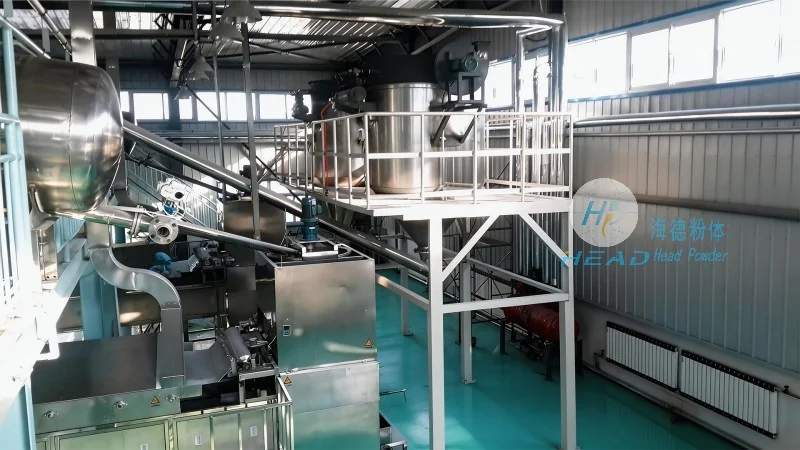
For short-distance conveying, dilute-phase systems are often preferred due to their lower cost and simplicity. However, for long-distance or high-density applications, dense-phase systems offer superior performance and reliability. The choice of system type should be based on a thorough analysis of the specific process requirements and the characteristics of the glycine being transported.
Operational considerations also include the need for regular maintenance and cleaning of the system components. This is particularly important for glycine, as it can be prone to caking or agglomeration, which can lead to blockages and system failures. Regular inspection and cleaning of the conveying line, feeders, and separators are essential to maintain system efficiency and prevent downtime.
Conclusion
Glycine pneumatic conveying systems are essential for the efficient and reliable transportation of this important chemical. By understanding the classification and composition of these systems, as well as the key components and operational considerations, industries can optimize their processes and ensure the highest quality of glycine delivery. Shandong HeadPowder Engineering Co., Ltd. specializes in the design, manufacturing, and installation of such systems, providing tailored solutions to meet the unique needs of each client. With their expertise and commitment to quality, they ensure that glycine is transported safely and efficiently, meeting the demands of modern industrial applications.