

Classification and Composition of Secondary Zinc Oxide Pneumatic Conveying Systems
Secondary zinc oxide is a critical material in various industrial applications, and the efficient handling of this material through pneumatic conveying systems is essential for maintaining production efficiency and product quality. The design and implementation of such systems involve careful consideration of the material's properties and the operational requirements of the end-user. This article provides an overview of the classification and key components of secondary zinc oxide pneumatic conveying systems, highlighting the technical aspects and practical considerations for effective material transport.
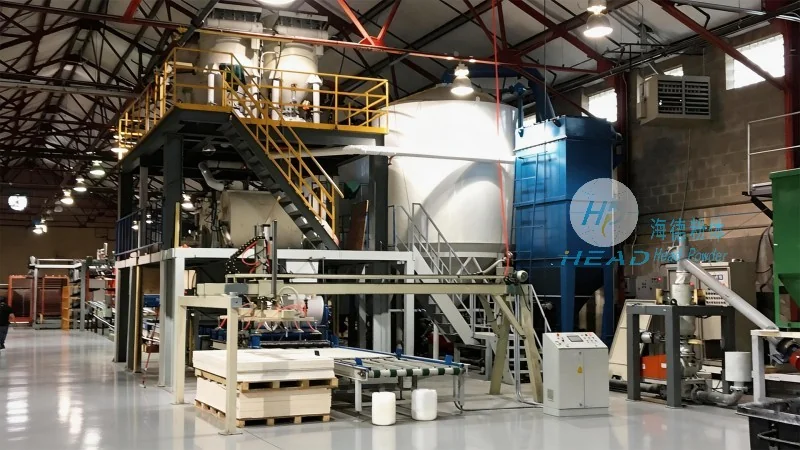
Classification of Secondary Zinc Oxide Pneumatic Conveying Systems
Secondary zinc oxide pneumatic conveying systems can be classified based on several factors, including the type of conveying medium, the pressure used, and the application requirements. The primary classifications include:
- Positive Pressure Systems: These systems use a blower or fan to generate positive pressure within the conveying line, pushing the material forward. They are suitable for short to medium-distance transport and are commonly used in applications where the material is non-abrasive and has low dust generation.
- Negative Pressure (Vacuum) Systems: In these systems, a vacuum is created at the receiving end, drawing the material through the line. This method is ideal for applications requiring dust control and for transporting materials over longer distances or through complex layouts.
- Pressure-Reduced Systems: A hybrid approach combining elements of both positive and negative pressure, these systems use a combination of blowers and vacuum pumps to optimize energy consumption and material flow. They are often used in large-scale industrial settings where efficiency and cost-effectiveness are paramount.
Each classification has its own advantages and is selected based on factors such as the distance between the source and destination, the material's characteristics, and the environmental regulations in place. The choice of system classification directly impacts the overall performance and operational costs of the conveying process.
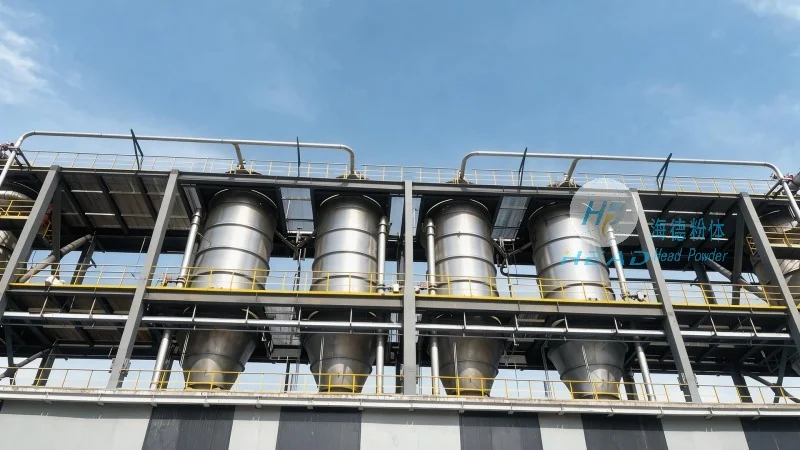
Key Components of Secondary Zinc Oxide Pneumatic Conveying Systems
The effective operation of a secondary zinc oxide pneumatic conveying system relies on the integration of several key components, each designed to perform a specific function in the material transport process. The primary components include:
- Conveying Line: This is the main pipeline through which the material is transported. The material is typically suspended in a carrier gas, and the line is constructed from materials such as stainless steel or plastic to withstand the abrasive nature of zinc oxide and prevent corrosion.
- Feeder: The feeder is responsible for introducing the secondary zinc oxide into the conveying line at a controlled rate. It ensures a consistent flow of material, preventing blockages and maintaining system efficiency. Common feeder types include rotary valves, screw feeders, and pressure feeders, each chosen based on the material's flow characteristics and the system's operational requirements.
- Blower or Vacuum Pump: This component generates the necessary pressure or vacuum to move the material through the conveying line. The selection of the blower or pump is critical, as it must be capable of handling the specific air volume and pressure required for the system's design. Factors such as the material's density, particle size, and moisture content influence the choice of the air-moving device.
- Separation and Collection Equipment: At the receiving end of the system, separation equipment is used to separate the material from the carrier gas. This typically involves a cyclone separator or a baghouse filter, which captures the zinc oxide particles and returns them to the process while allowing the clean air to be discharged or recirculated. Proper design of the separation system is essential to minimize dust emissions and ensure compliance with environmental regulations.
- Control and Monitoring Systems: Modern pneumatic conveying systems incorporate advanced control and monitoring systems to optimize performance and ensure safe operation. These systems may include pressure sensors, flow meters, and automated controls that adjust the feeder speed or blower speed based on real-time system conditions. This helps maintain consistent material flow, reduce energy consumption, and prevent system failures.
Each component must be carefully selected and integrated to ensure the system operates efficiently and reliably. The design of the system must account for the unique properties of secondary zinc oxide, such as its high reactivity and potential for dust generation, to minimize operational issues and maximize system performance.
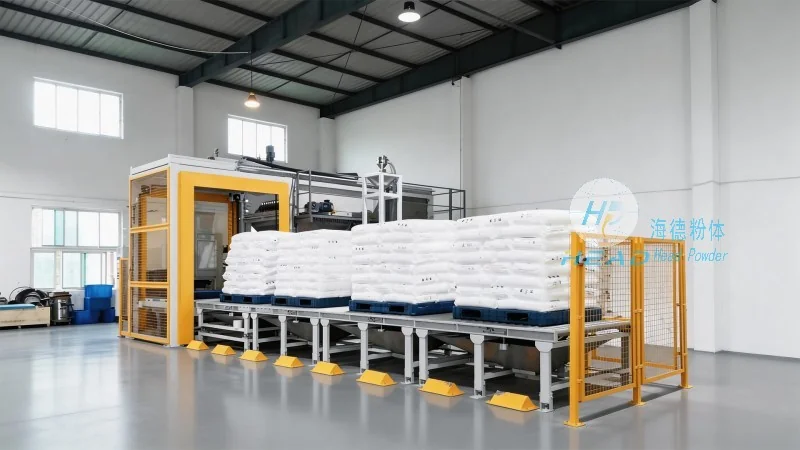
Role of Shandong HeadPowder Engineering Co., Ltd. in Pneumatic Conveying Solutions
Shandong HeadPowder Engineering Co., Ltd., operating under the brand name headpowder, is a leading manufacturer specializing in the design, fabrication, and installation of pneumatic conveying systems for industrial applications. With a focus on secondary zinc oxide handling, the company leverages its expertise in material science and engineering to provide customized solutions tailored to the specific needs of its clients. The company's commitment to quality and innovation ensures that its systems meet the highest standards of performance and reliability.
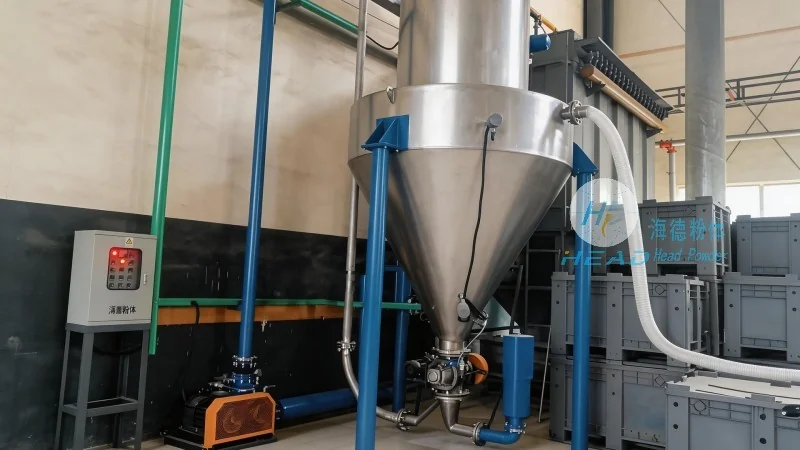
Headpowder's team of engineers and technicians work closely with clients to understand their operational requirements and material characteristics, developing systems that optimize material transport while minimizing downtime and maintenance costs. The company's manufacturing facilities in Shandong, China, utilize advanced technology and quality control processes to ensure that each system is built to withstand the demanding conditions of industrial environments.
By combining technical expertise with a customer-centric approach, Shandong HeadPowder Engineering Co., Ltd. provides comprehensive pneumatic conveying solutions that enhance production efficiency and product quality for its clients. The company's reputation for reliability and performance has made it a trusted partner in the industry, serving a wide range of applications where secondary zinc oxide is a key component.