

Classification and Composition of Reduction Iron Powder Pneumatic Conveying Systems
Shandong HeadPowder Engineering Co., Ltd., commonly known as headpowder, specializes in the design, manufacturing, and installation of pneumatic conveying systems for reduction iron powder. These systems are crucial in industrial applications where efficient and reliable transport of fine powders is required. The company, based in Shandong, China, provides comprehensive solutions tailored to the unique needs of various industries, ensuring optimal performance and durability.
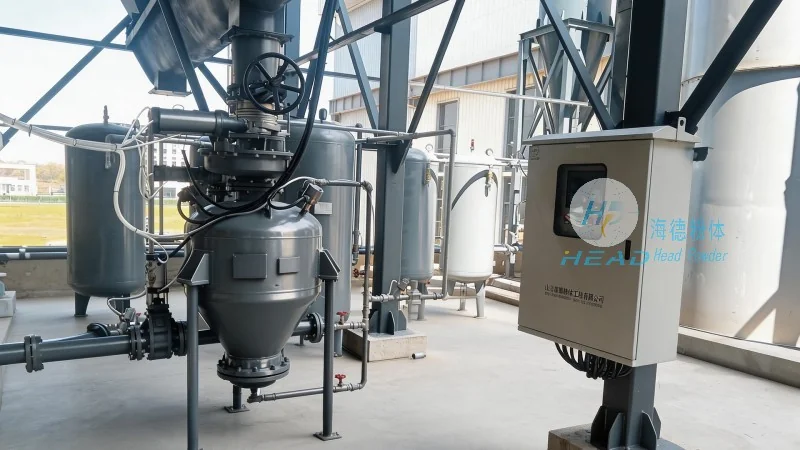
Classification of Pneumatic Conveying Systems for Reduction Iron Powder
There are primarily two main categories of pneumatic conveying systems used for transporting reduction iron powder: positive pressure systems and negative pressure (or vacuum) systems. Each type has distinct characteristics and is suitable for different operational requirements.
Positive pressure systems operate by blowing air or gas into the conveying line, pushing the material forward. This method is often preferred for long-distance or high-capacity transport, as it can handle larger particle sizes and is less prone to blockages. The system typically includes a positive displacement blower or a centrifugal fan as the air source, along with a hopper to store the iron powder and a series of pipes to guide the material to the destination.
Negative pressure systems, on the other hand, create a vacuum in the conveying line, drawing the material from the source. This approach is ideal for applications where dust control is a priority, as the system is enclosed and prevents particles from escaping into the environment. The negative pressure system usually employs a vacuum pump or a low-pressure fan that operates in a vacuum mode, with a collection hopper at the receiving end to capture the material.
Key Components of a Reduction Iron Powder Pneumatic Conveying System
A typical reduction iron powder pneumatic conveying system consists of several essential components, each playing a critical role in the overall operation. The main components include:
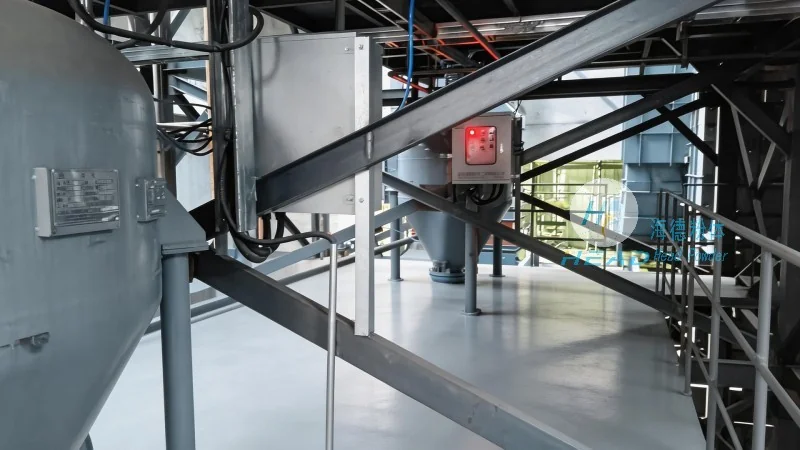
1. Feeding Hopper: This is the storage vessel where the reduction iron powder is held before being conveyed. It is designed to maintain a consistent material level and provide a smooth feed to the conveying line, preventing material bridging or clogging.
2. Air Supply Unit: This component generates the necessary air or gas flow to move the powder. For positive pressure systems, a positive displacement blower or a high-pressure centrifugal fan is used. For negative pressure systems, a vacuum pump or a low-pressure fan is employed. The air supply unit is crucial for maintaining the required pressure or vacuum levels throughout the system.
3. Conveying Pipes: The pipes form the main pathway for the iron powder and air mixture. They are typically made of materials resistant to corrosion and abrasion, such as stainless steel or special alloys, to ensure longevity and prevent material degradation. The pipe diameter and length are carefully selected based on the material's properties and the system's capacity.
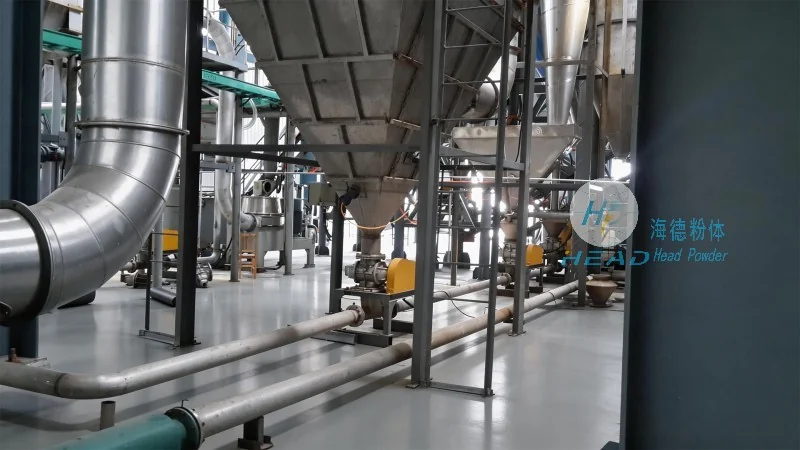
4. Separation and Collection Equipment: At the receiving end, a separator or cyclone is used to separate the iron powder from the air stream. The separated powder is collected in a receiving hopper, while the air is either filtered and recirculated or discharged. This step is vital for maintaining system efficiency and ensuring that the material is delivered in a clean, dry state.
5. Control and Monitoring Systems: Modern pneumatic conveying systems are equipped with control panels and sensors to monitor pressure, flow rate, and material level. These systems allow for real-time adjustments and help prevent operational issues such as overloading or blockages. The control unit may include valves, switches, and indicators to ensure safe and efficient operation.
Applications and Benefits of the Systems
The reduction iron powder pneumatic conveying systems developed by Shandong HeadPowder Engineering Co., Ltd. are widely used in various industrial sectors, including steel production, chemical processing, and food processing. The primary benefits of these systems include:
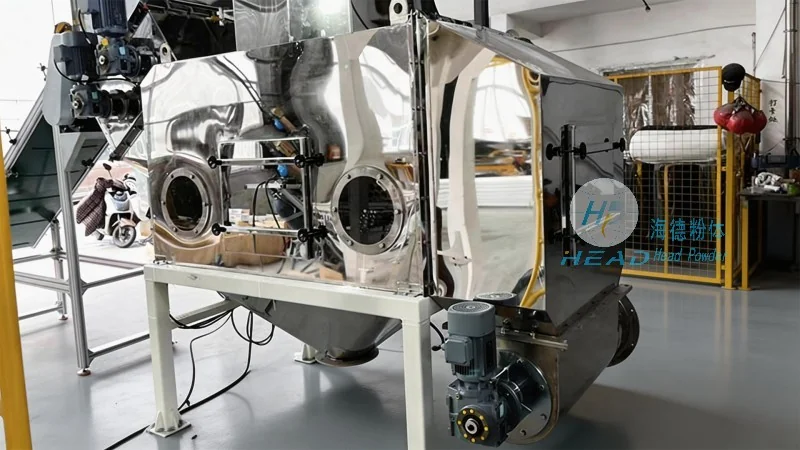
- Efficient Material Transport: The systems enable the rapid and reliable movement of fine powders over long distances, reducing handling time and labor costs.
- Minimal Dust and Contamination: The enclosed design of the systems, especially negative pressure systems, minimizes dust emissions and prevents contamination of the material, which is critical for applications where purity is essential.
- Flexibility and Adaptability: The systems can be customized to accommodate different material characteristics, such as particle size, density, and moisture content, making them suitable for a wide range of industrial needs.
- Reduced Maintenance: With well-designed components and materials, the systems require minimal maintenance, leading to lower operational costs and increased uptime.