

[Paddy Grain Pneumatic Conveying System Analysis]
HeadPowder, a leading engineering firm based in Shandong, China, specializes in the design and implementation of advanced pneumatic conveying systems tailored for paddy grain handling. This article provides a comprehensive analysis of such systems, focusing on their operational principles, key components, and practical applications in the agricultural processing industry.
Understanding Paddy Grain Pneumatic Conveying Systems
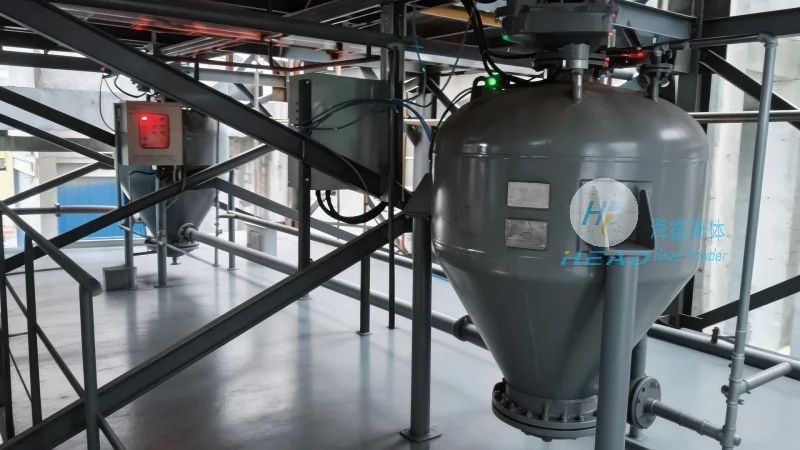
Paddy grain pneumatic conveying systems are engineered to efficiently transport paddy grains from storage facilities to processing units, such as mills or drying equipment. These systems leverage the principles of fluidization and air movement to move bulk materials without the need for mechanical components like belts or buckets. The core technology involves creating a flow of air through a pipeline, which lifts and transports the grain particles, ensuring a smooth and continuous transfer process.
Key Components of Paddy Grain Pneumatic Conveying Systems
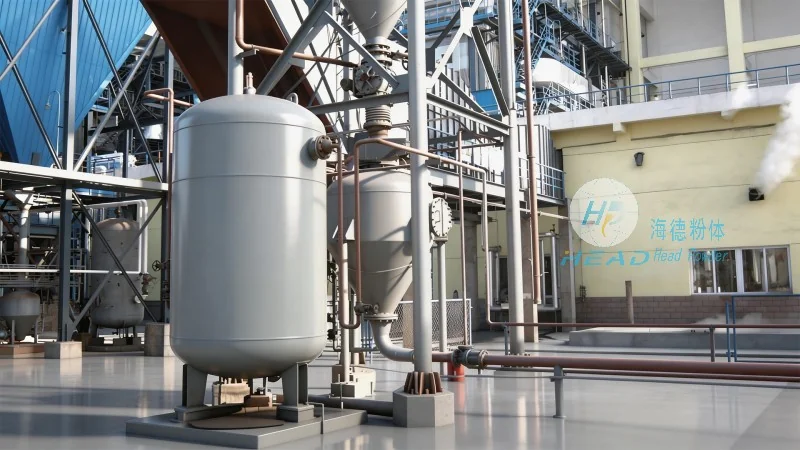
The effectiveness of a paddy grain pneumatic conveying system relies on several critical components. The primary elements include a feed hopper, which holds the paddy grain and regulates the flow into the system; a rotary valve or feeder, which controls the discharge rate and prevents air leakage; a conveying line, typically made of stainless steel or other corrosion-resistant materials to withstand the moisture and abrasiveness of paddy grains; a pressure vessel or receiver, which collects the conveyed grain and allows for air separation; and a dust collector or filter system, which removes airborne particles and maintains air quality. Additionally, a blower or fan provides the necessary air pressure to drive the conveying process, with options ranging from positive displacement blowers to centrifugal fans depending on the system's capacity and pressure requirements.
Operational Principles and Working Mechanism
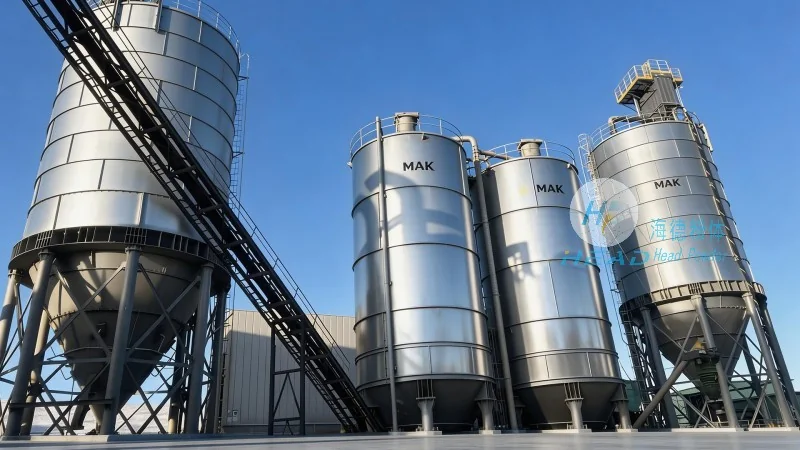
The operation of a paddy grain pneumatic conveying system follows a systematic process. Initially, paddy grains are fed into the hopper from storage silos or trucks. The rotary valve then meters the grain into the conveying line at a controlled rate. Simultaneously, the blower generates a high-pressure air stream that enters the conveying line, creating a vacuum or pressure differential that lifts the grain particles. As the air flows through the pipeline, it fluidizes the paddy grains, allowing them to move along with the air stream. The conveying line may include bends, elbows, or vertical sections, which are designed to handle changes in direction and elevation without disrupting the flow. Upon reaching the receiver, the air and grain mixture enters a pressure vessel where the air is separated from the grain through a cyclone or other separation device. The separated grain is then discharged into a storage bin or processing equipment, while the air is filtered and returned to the blower for reuse, minimizing energy waste and environmental impact.
Advantages of Paddy Grain Pneumatic Conveying Systems
Compared to traditional mechanical conveying methods, paddy grain pneumatic conveying systems offer several advantages. Firstly, they eliminate the need for moving parts in contact with the grain, reducing wear and tear and minimizing the risk of contamination. This is particularly important for paddy grains, which can be prone to moisture and microbial growth. Secondly, the systems provide a hygienic and dust-free environment, as the grain is enclosed within the pipeline and air is filtered before release. This enhances food safety standards and reduces the risk of respiratory issues for operators. Thirdly, pneumatic conveying systems offer high efficiency in terms of material handling, with the ability to transport large volumes of paddy grains over long distances with minimal labor. Additionally, the systems are flexible and can be easily integrated with existing processing lines, allowing for scalability and adaptability to changing production needs. Finally, the reduced maintenance requirements and lower energy consumption compared to mechanical systems contribute to long-term cost savings for agricultural processing facilities.
Applications and Industry Impact
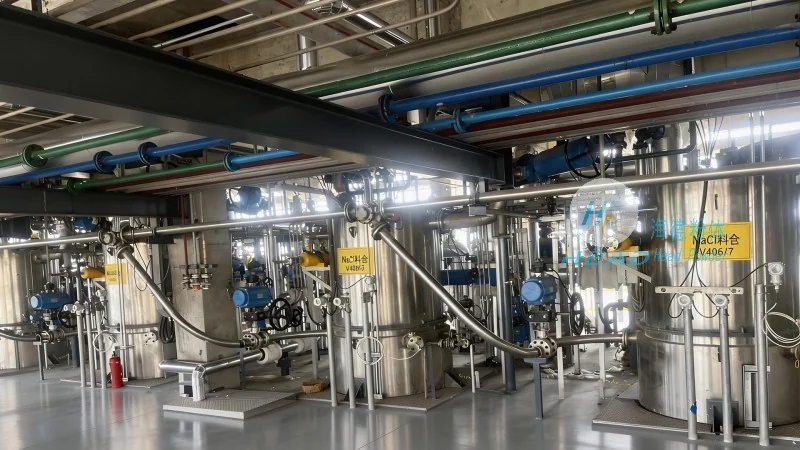
Paddy grain pneumatic conveying systems are widely used in various stages of paddy grain processing, from initial storage and handling to milling and drying. In storage facilities, these systems facilitate the transfer of paddy grains from silos to processing units, ensuring a continuous supply of raw material. During milling operations, the systems transport paddy grains to the grinding equipment, where they are processed into rice. In drying facilities, pneumatic conveying systems are used to move paddy grains from the drying chambers to storage areas, maintaining optimal moisture levels. The systems are also employed in the production of value-added products, such as rice bran or rice flour, where precise material handling is crucial for quality control. By improving the efficiency and safety of paddy grain processing, these systems contribute to increased productivity and reduced operational costs for agricultural businesses.
About HeadPowder Engineering
HeadPowder Engineering, headquartered in Shandong, China, is a reputable company specializing in the design, manufacturing, and installation of pneumatic conveying systems for diverse industrial applications. With years of experience in the field, HeadPowder has developed a deep understanding of the unique challenges associated with paddy grain handling, including moisture content, grain size variations, and the need for hygienic processing. The company's team of engineers and technicians work closely with clients to tailor pneumatic conveying systems that meet specific operational requirements, ensuring optimal performance and reliability. HeadPowder's commitment to quality and innovation has made it a trusted partner for agricultural processing facilities seeking to enhance their material handling capabilities. By leveraging advanced engineering solutions and adhering to industry standards, HeadPowder provides comprehensive solutions that address the evolving needs of the paddy grain processing industry.