

Introduction to Lithium Iron Phosphate Transport Systems and the Advantages of Pneumatic Conveying f
In the battery manufacturing industry, Lithium Iron Phosphate (LFP) serves as a key positive electrode material, valued for its high efficiency and stable performance, making it a mainstream choice in lithium-ion batteries. With the rapid development of the new energy industry, the production and demand for LFP continue to grow, placing higher demands on material handling systems in the production process. HeadPowder, namely Shandong HeadPowder Engineering Co., Ltd., is dedicated to providing professional transport solutions for the LFP industry, with its developed LFP transport system integrating advanced technology to significantly enhance production efficiency and safety.
Company Background and Professional Positioning
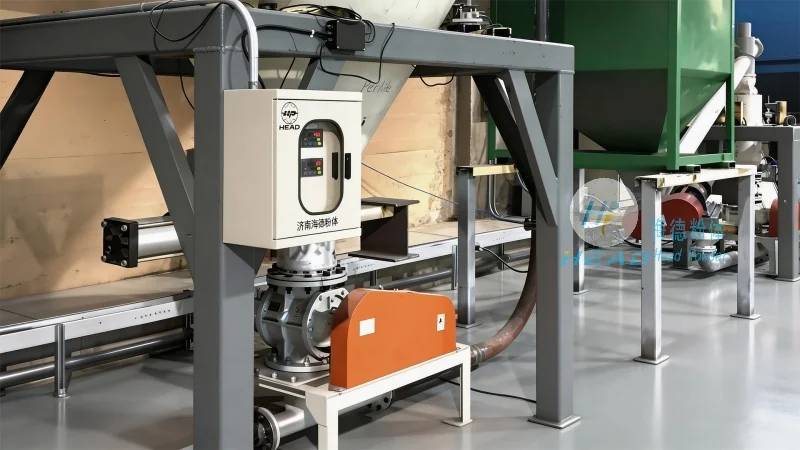
HeadPowder is a company specializing in powder engineering and conveying technology, headquartered in Shandong, China. As a leader in the industry, the company has always driven innovation as its core, offering customized conveying systems for high-value powder materials like LFP. The team at Shandong HeadPowder Engineering Co., Ltd. consists of experienced engineers and experts who deeply understand the production process of battery materials, enabling them to design efficient and reliable conveying solutions tailored to different customer needs. The company's address is in Shandong, China, providing convenient technical support and services for domestic and international clients.
Advantages and Features of LFP Pneumatic Conveying Systems
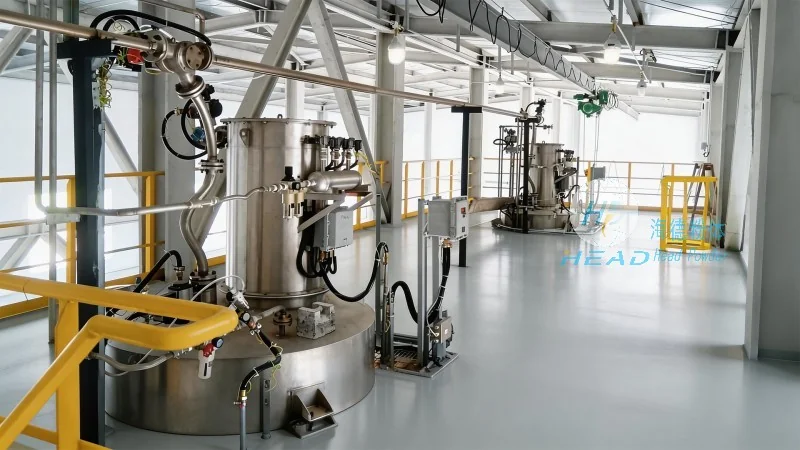
In the conveying process of LFP, pneumatic conveying technology has become the mainstream choice due to its unique advantages. Compared with traditional mechanical conveying methods, pneumatic conveying systems show significant advantages in multiple aspects. First, pneumatic conveying enables continuous and uniform material transport, reducing the risk of material accumulation and blockage, which is particularly important for LFP, a material prone to static electricity and caking. Second, pneumatic conveying systems offer higher transport efficiency, allowing materials to be quickly moved from the production area to storage or processing equipment, shortening the production cycle. Additionally, pneumatic conveying causes less wear on materials during transport, effectively preserving the particle structure of LFP and ensuring its performance is not affected. HeadPowder's LFP transport system employs advanced airflow control technology, optimizing pipeline design, airflow speed, and pressure to achieve precise control of materials, further enhancing the stability and reliability of the conveying process.
System Composition and Key Technologies
HeadPowder's LFP transport system typically includes several key components to ensure efficient and safe material transport. Core equipment includes feeding devices, conveying pipelines, air source equipment, and receiving devices. The feeding device is responsible for uniformly delivering LFP from hoppers or storage tanks into the conveying pipeline, often using screw feeders or vibratory feeders to prevent material blockage. Conveying pipelines are made of corrosion-resistant and wear-resistant materials such as stainless steel or special plastics to adapt to the chemical properties of LFP. The air source equipment provides stable compressed air or inert gas to drive materials through the pipeline. The receiving device collects and stores materials delivered to the destination, typically equipped with level sensors and unloading devices to ensure accurate unloading. Additionally, the system integrates an advanced control system, using sensors to monitor airflow, pressure, and material flow in real-time to adjust conveying parameters for automated operation. HeadPowder pays attention to details in system design, for example, installing explosion-proof valves and pressure sensors at critical points in the pipeline to ensure safe operation and meet safety standards for battery material production.
Practical Applications and Effects
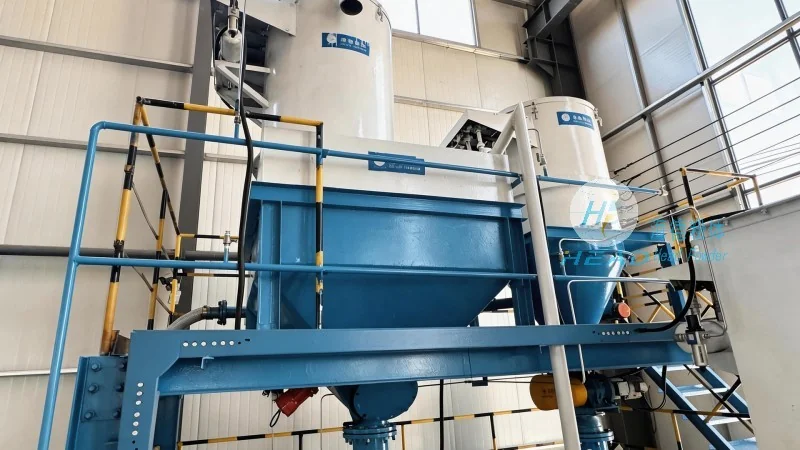
In practical production, HeadPowder's LFP transport system has been successfully applied to production lines of multiple battery manufacturing enterprises. By using this system, customers have achieved significant improvements in material transport efficiency, reducing production cycles by approximately 15-20% and lowering equipment failure rates caused by material transport issues. For example, a battery enterprise using HeadPowder's pneumatic conveying system increased the LFP transport speed from 10 tons per hour to 15 tons per hour, with material loss rates during transport below 0.5%, effectively reducing material waste. Additionally, the system's efficient operation has reduced energy consumption for the enterprise, with energy use lowered by about 10-15% compared to traditional conveying methods. These practical application effects fully demonstrate the advanced nature and reliability of HeadPowder's LFP transport system, providing practical solutions for battery manufacturing enterprises.