

Principle and Classification Application of Pneumatic Conveying for Rice Husk Powder
HeadPowder, a leading provider in the field, specializes in the design and implementation of pneumatic conveying systems tailored for rice husk powder. This article aims to explore the fundamental principles of pneumatic conveying, as well as the various classifications and practical applications of such systems in handling rice husk powder efficiently.
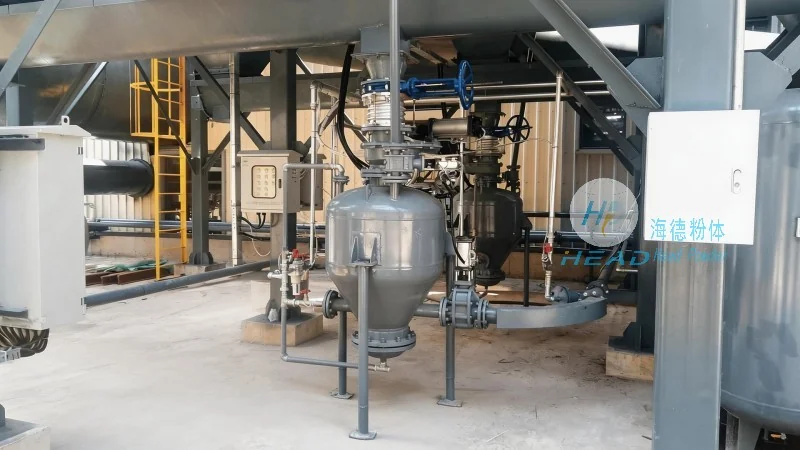
Understanding Pneumatic Conveying Principles
Pneumatic conveying is a method of transporting bulk materials, such as rice husk powder, through a pipeline using air or other gases. The core principle involves creating a pressure differential between the inlet and outlet of the system. By introducing air into the material stream, the powder is suspended and propelled through the pipeline. This process eliminates the need for mechanical components like belts or buckets, reducing maintenance and operational costs. The efficiency of pneumatic conveying depends on factors like material properties, air velocity, and system design. For rice husk powder, which is typically light and abrasive, specialized equipment is required to ensure optimal performance and prevent system blockages.
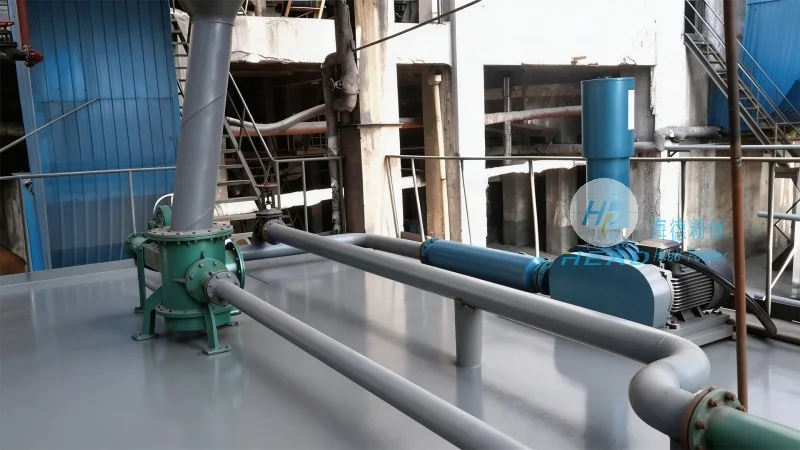
Classification of Pneumatic Conveying Systems
Pneumatic conveying systems are generally classified into two main categories: dilute phase and dense phase. Dilute phase systems operate at higher air velocities, typically ranging from 20 to 30 meters per second, and are suitable for transporting materials over short to medium distances. They are ideal for rice husk powder due to the material's light density and low abrasiveness. Dense phase systems, on the other hand, use lower air velocities (around 5 to 15 meters per second) and higher material concentrations, making them suitable for longer distances or when handling more challenging materials. These systems are often used in applications where material degradation or product quality must be preserved, such as in the processing of rice husk powder for biofuel or other industrial uses.
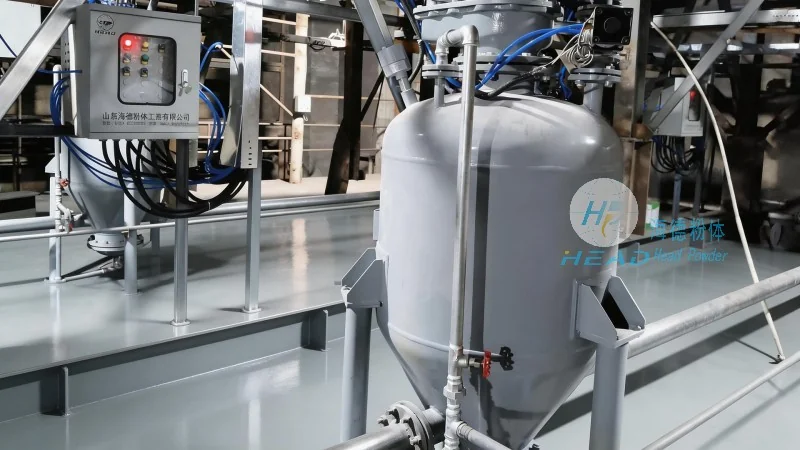
Applications of Pneumatic Conveying for Rice Husk Powder
The application of pneumatic conveying in rice husk powder handling spans multiple industries. In the biofuel sector, rice husk powder is commonly used as a feedstock for power generation. Pneumatic conveying systems efficiently transport the powder from storage silos to boilers, ensuring a consistent and reliable supply. In the manufacturing of rice husk-based products, such as activated carbon or insulation materials, the system helps maintain product purity by minimizing contact with external contaminants. Additionally, in agricultural processing facilities, pneumatic conveying is used to transfer rice husk powder from processing units to packaging or storage areas, streamlining production workflows. The versatility of pneumatic conveying makes it an indispensable technology in the efficient handling of rice husk powder across various industrial applications.
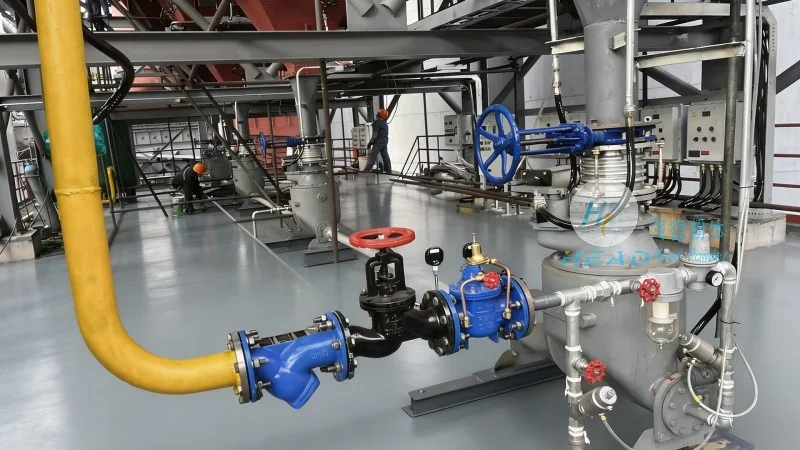
Key Considerations for System Design and Implementation
When designing a pneumatic conveying system for rice husk powder, several factors must be considered to ensure optimal performance and longevity. Material properties, such as particle size, density, and moisture content, significantly impact system selection. For example, fine rice husk powder may require a more gentle conveying approach to prevent clogging, while coarser particles might benefit from higher air velocities. System layout and pipeline design are also critical, as the length and complexity of the pipeline affect air pressure requirements and energy consumption. HeadPowder, with its expertise in engineering, provides customized solutions that address these considerations, ensuring that the system meets the specific needs of the client. Regular maintenance and monitoring are essential to prevent system failures and maintain efficiency, particularly in high-demand applications like rice husk powder processing.