

Polypropylene Pneumatic Conveying: Working Principles and Classification Applications
Understanding the working principles and applications of polypropylene pneumatic conveying systems is crucial for industries dealing with this versatile polymer. This article provides an in-depth overview of how these systems operate, the different classification methods, and their practical implementations in various industrial settings.
Pneumatic Conveying Fundamentals
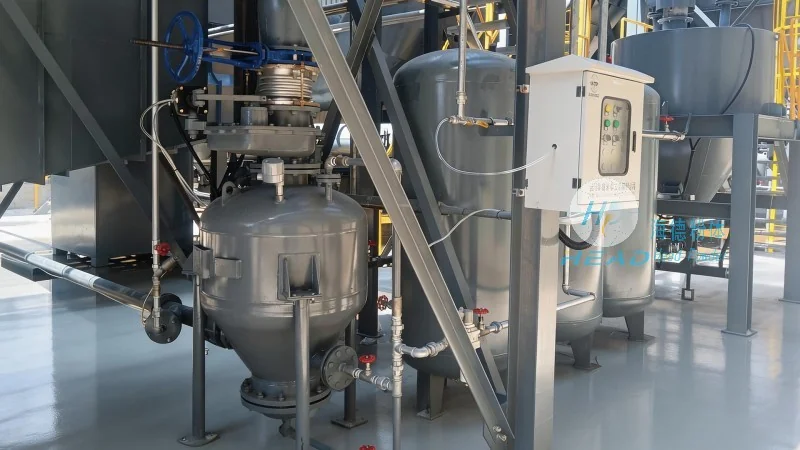
Pneumatic conveying systems utilize air or other gases to transport bulk materials, such as polypropylene, from one location to another. The core principle involves creating a pressure differential that propels the material through a pipeline. There are two primary types of pneumatic conveying: pressure and vacuum systems. Pressure systems operate by forcing air or gas into the conveying line, while vacuum systems create a negative pressure to draw material into the system.
Key Working Principles of Polypropylene Pneumatic Conveying
For polypropylene, which is a lightweight, non-conductive, and chemically stable polymer, the design of the pneumatic conveying system must account for its specific properties. The material's low bulk density and tendency to generate static electricity are critical factors. To mitigate static buildup, anti-static additives or grounding mechanisms are often integrated into the system. Additionally, the system must handle the material's potential for agglomeration, especially when moisture is present. Proper moisture control and temperature management are essential to maintain the material's flowability.
Classification of Pneumatic Conveying Systems for Polypropylene
Pneumatic conveying systems for polypropylene are typically classified based on their operating pressure and the method of material transport. The main categories include:
1. Dilute Phase Conveying
Dilute phase systems are characterized by a low material-to-air ratio, typically ranging from 1:20 to 1:100. These systems are suitable for long-distance transport and are commonly used in applications where the material is relatively free-flowing. The material is suspended in the air stream and travels through the pipeline at high velocity. This method is efficient for transporting polypropylene pellets or granules over distances of several hundred meters.
2. Dense Phase Conveying
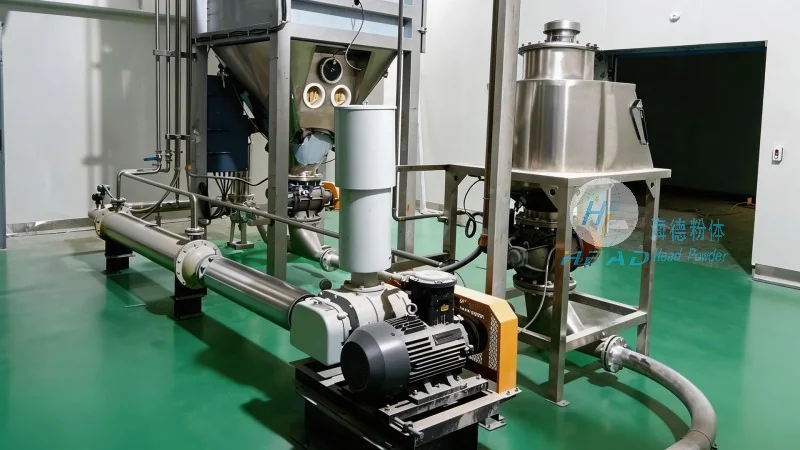
Dense phase systems operate at a higher material-to-air ratio, often between 1:5 to 1:10. The material is conveyed in a more compact form, reducing the risk of particle degradation and system blockages. This method is ideal for handling polypropylene powders or fine particles that are prone to clogging. The system uses lower air velocities and higher pressure to move the material in a slug or plug flow, ensuring smooth and reliable transport.
3. Hybrid Systems
Hybrid systems combine elements of both dilute and dense phase conveying. They may start with a dilute phase to transport material over a short distance and then transition to a dense phase for the final delivery. This approach offers flexibility and efficiency, making it suitable for complex material handling processes involving polypropylene.
Applications in Industrial Settings
Polypropylene pneumatic conveying systems find widespread use in various industries due to the polymer's versatility. In the plastics manufacturing sector, these systems are employed to transport raw polypropylene pellets from storage silos to extrusion lines. The ability to handle large volumes of material efficiently and with minimal contamination is a key advantage. In the packaging industry, polypropylene is used for manufacturing films and containers, and pneumatic conveying systems ensure a clean and continuous supply of raw material to production lines.
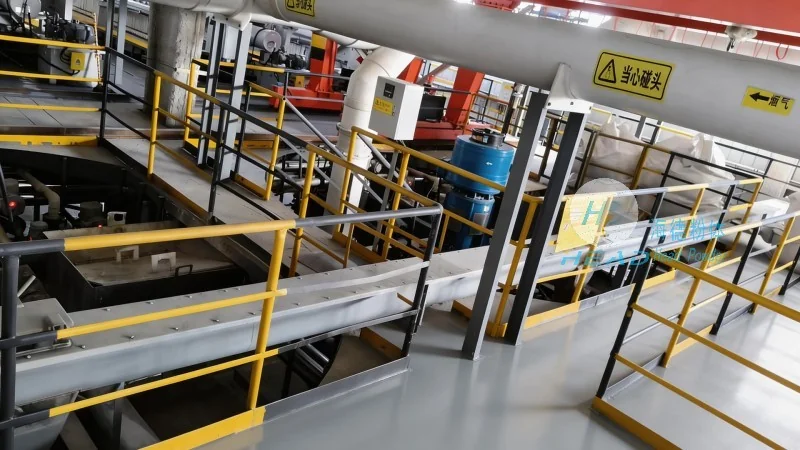
In the chemical and pharmaceutical industries, polypropylene is used for packaging and processing applications. The non-reactive nature of the polymer makes it suitable for handling sensitive materials, and pneumatic conveying systems maintain the material's integrity during transport. Additionally, in the automotive and construction sectors, polypropylene is used for various components, and efficient material transport is critical to meeting production demands.
System Design Considerations for Polypropylene
The design of a polypropylene pneumatic conveying system requires careful consideration of several factors to ensure optimal performance and longevity. Material selection for the pipeline and components is crucial. Polypropylene itself is not ideal for high-pressure applications, so systems often use materials like stainless steel or specialized plastics that can withstand the operating pressures. The choice of components, such as rotary valves, filters, and cyclones, must be compatible with polypropylene to prevent material degradation or system contamination.
Installation and maintenance are also critical aspects. Proper alignment of the pipeline and regular cleaning of the system are necessary to prevent clogging and ensure consistent performance. The system must be designed to handle variations in material flow, such as changes in moisture content or particle size, which can affect the conveying efficiency. Additionally, safety features, such as pressure relief valves and explosion-proof components, are essential to protect the system and personnel from potential hazards.
Conclusion
Polypropylene pneumatic conveying systems offer a reliable and efficient method for transporting this important polymer in various industrial applications. By understanding the working principles and classification of these systems, manufacturers can select the most appropriate solution for their specific needs. The integration of advanced technologies and careful system design ensures that polypropylene is handled safely and effectively, supporting the production processes in industries worldwide.