

Principle and Classification Application of Gypsum Powder Pneumatic Conveying
HeadPowder, a professional manufacturer based in Shandong, China, specializes in the design and implementation of gypsum powder pneumatic conveying systems. This article provides an in-depth overview of the working principles, classification methods, and practical applications of such systems, highlighting the technical aspects and industry relevance of gypsum powder handling through pneumatic means.
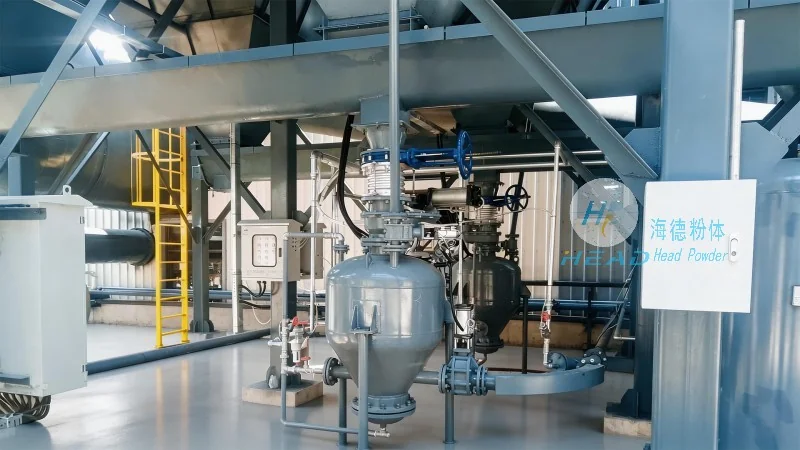
Gypsum Powder Pneumatic Conveying: An Overview
Gypsum powder, a widely used industrial material in construction, pharmaceuticals, and other sectors, often requires efficient and reliable transportation methods. Pneumatic conveying offers a solution that minimizes dust generation, reduces material degradation, and enhances safety compared to traditional methods like belt conveyors or manual handling. The process involves transporting the powder using air or gas as the conveying medium, which is particularly suitable for handling fine, dry powders like gypsum.
The Working Principle of Gypsum Powder Pneumatic Conveying
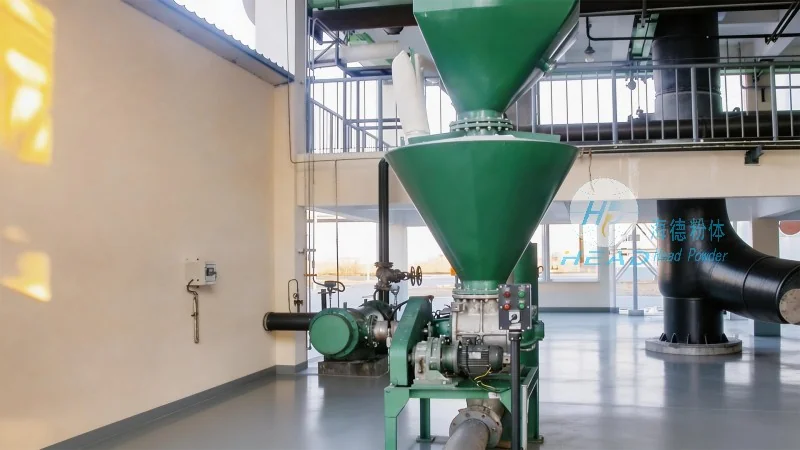
The core mechanism of gypsum powder pneumatic conveying relies on the creation of a pressure differential between the conveying line and the ambient environment. In a typical system, a blower or compressor generates airflow that draws the gypsum powder from a storage silo or hopper into the conveying line. The powder is then suspended in the air stream and transported to the destination point, such as a processing plant or storage facility. The system typically includes components like a feed hopper, a rotary valve, a conveying pipe, and a receiver, all working in tandem to ensure smooth material transfer.
Classification of Gypsum Powder Pneumatic Conveying Systems
Gypsum powder pneumatic conveying systems can be classified based on several key parameters, including the type of air flow, the pressure level, and the application requirements. The primary classifications are as follows:
1. Positive Pressure Conveying
Positive pressure systems operate by blowing air into the conveying line, creating a pressure higher than the ambient air. This method is suitable for short to medium distance conveying and is commonly used in applications where the material is relatively dry and free-flowing. The system typically uses a positive displacement blower or a centrifugal fan, and the pressure is maintained throughout the entire conveying line.
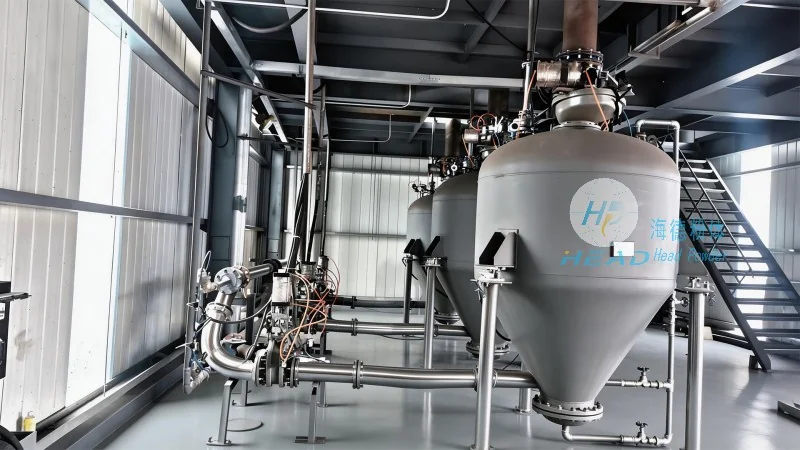
2. Negative Pressure (Vacuum) Conveying
Negative pressure systems, also known as vacuum conveying, operate by creating a vacuum in the conveying line, which draws the material from the source. This method is ideal for long-distance conveying and for handling materials that are more cohesive or prone to dust generation. The system includes a vacuum pump and a receiver that collects the material at the end of the line.
3. Hybrid Conveying Systems
Hybrid systems combine elements of both positive and negative pressure methods. They may use a combination of blowers and vacuum pumps to achieve optimal performance for specific applications. For instance, a hybrid system might use positive pressure to move the material from the source to a central point and then switch to negative pressure for the final delivery to the processing area.
Application Scenarios of Gypsum Powder Pneumatic Conveying
The versatility of gypsum powder pneumatic conveying makes it applicable across various industries. In the construction industry, it is used to transport gypsum powder for wallboard production, ensuring consistent quality and minimizing waste. In the pharmaceutical sector, the system is employed to handle gypsum-based excipients, maintaining strict hygiene and preventing contamination. Additionally, in the agricultural and food processing industries, pneumatic conveying is used for handling gypsum as a soil amendment or a food additive, where dust control and material purity are critical.
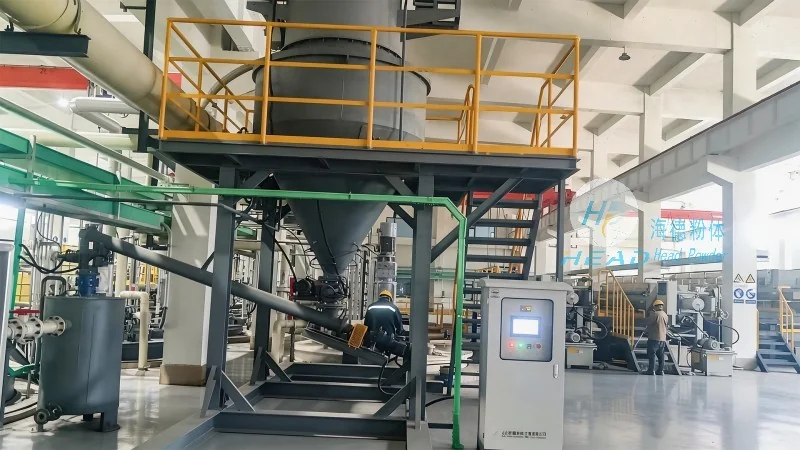
Key Considerations for Implementing Gypsum Powder Pneumatic Conveying
When designing and implementing a gypsum powder pneumatic conveying system, several factors must be considered to ensure efficiency and reliability. These include the particle size and density of the gypsum powder, the required conveying distance, the ambient conditions, and the desired flow rate. Proper system sizing and component selection are crucial to avoid issues such as blockages, excessive pressure drops, or material degradation. Regular maintenance of the conveying line, blower, and other components is also essential to prolong the system's lifespan and maintain performance.
Conclusion
Gypsum powder pneumatic conveying is a sophisticated and efficient method for handling fine powders, offering significant advantages over traditional transportation methods. By understanding the working principles and classification of these systems, industries can select the most appropriate solution for their specific needs, ensuring optimal performance, safety, and cost-effectiveness. As a leading provider in this field, Shandong HeadPowder Engineering Co., Ltd. offers tailored solutions that meet the diverse requirements of clients across various sectors.