

Advantages and Disadvantages Comparison of Negative Pressure and Positive Pressure Conveying in Cere
When selecting the most suitable conveying method for cereal processing, understanding the differences between negative pressure and positive pressure pneumatic systems is crucial. Both approaches offer unique advantages and disadvantages that can significantly impact operational efficiency, product quality, and overall cost. This article provides a detailed comparison of negative pressure and positive pressure conveying in cereal applications, highlighting key factors to consider when making a decision.
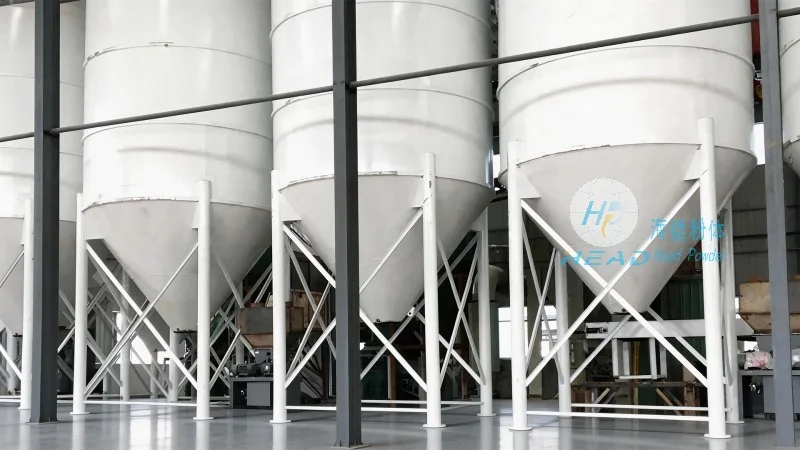
Negative Pressure Conveying in Cereal Pneumatic Systems
Negative pressure conveying, also known as suction conveying, operates by creating a vacuum in the conveying pipeline, drawing material from the source into the system. This method is particularly effective for handling fine or dusty cereals, as the low-pressure environment minimizes the risk of product contamination from the conveying air. The absence of high-pressure air also reduces the potential for heat and friction-induced degradation, which is vital for preserving the texture and nutritional value of sensitive products like whole grains or pre-processed flakes. Additionally, negative pressure systems are often more compact and flexible in layout, as the material is drawn into the system rather than pushed, allowing for easier integration into existing processing lines. However, negative pressure conveying comes with notable drawbacks. The primary challenge is higher energy consumption compared to positive pressure systems, as maintaining a vacuum requires more power, which can increase operational costs over time. Another significant issue is the susceptibility to blockages and material buildup in the suction line, especially with sticky or moist cereals, leading to downtime and maintenance challenges. Furthermore, the efficiency of negative pressure systems diminishes with distance, making them less suitable for long-distance or high-capacity applications.
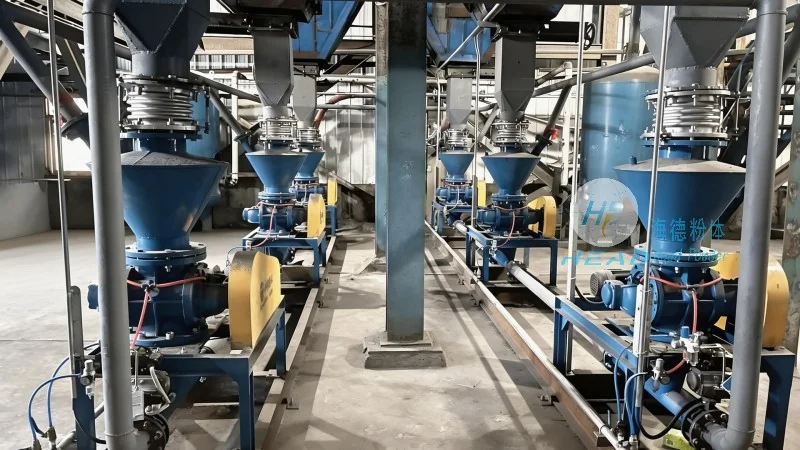
Positive Pressure Conveying in Cereal Pneumatic Systems
Positive pressure conveying, or pressure conveying, works by forcing material through the pipeline using compressed air or a positive pressure fan. This approach is generally more efficient for long-distance transport and high-capacity operations, offering several advantages. One key benefit is lower energy consumption compared to negative pressure systems, as the compressed air is used to push material rather than create a vacuum, resulting in cost savings for large-scale facilities. The higher pressure also enables better control over conveying speed and material distribution, ensuring consistent flow and product quality. Positive pressure systems are particularly effective for handling sticky or moist cereals, as the constant pressure helps prevent clumping and blockages, reducing the risk of system downtime. However, positive pressure conveying has its own set of disadvantages. A major concern is the potential for product contamination from the conveying air, especially if the air is not properly filtered or treated, which could compromise food safety and quality standards for cereal products. Another issue is the risk of product degradation due to friction and heat generated by the compressed air, which may affect the texture or nutritional content of the cereals. Additionally, positive pressure systems require more space for the air compressor and pipeline infrastructure, and the higher pressure can increase equipment wear and tear, leading to higher maintenance costs over time.
Comparative Analysis and Practical Considerations
When choosing between negative and positive pressure conveying for cereal applications, several factors must be carefully evaluated. The type of cereal being processed is a critical determinant. For example, whole grains or delicate flakes may benefit more from the low-pressure environment of negative pressure systems to preserve their integrity and nutritional value. In contrast, bulkier or less sensitive products like corn or oats might be better suited to the efficiency of positive pressure systems. The distance and capacity requirements also play a key role in the decision-making process. For short distances and low to medium capacities, negative pressure can be a cost-effective solution. However, for long-distance transport or high-capacity operations, positive pressure is often the more practical choice due to its higher efficiency and reliability. The physical properties of the material, such as moisture content and stickiness, also influence the selection. Materials with high moisture content may require positive pressure to prevent clumping and ensure smooth flow, while dry, fine cereals might perform better with negative pressure. Furthermore, the overall system design and available space must be considered. Negative pressure systems are more compact and flexible, making them suitable for installations with limited space or complex layouts. Positive pressure systems, while requiring more space for the compressor and pipeline, offer better control and are ideal for large-scale, continuous production lines. Ultimately, the choice between negative and positive pressure conveying depends on a balance of operational efficiency, product quality, and cost considerations. By carefully assessing these factors, cereal processing facilities can select the most appropriate conveying method to meet their specific needs and ensure optimal performance.
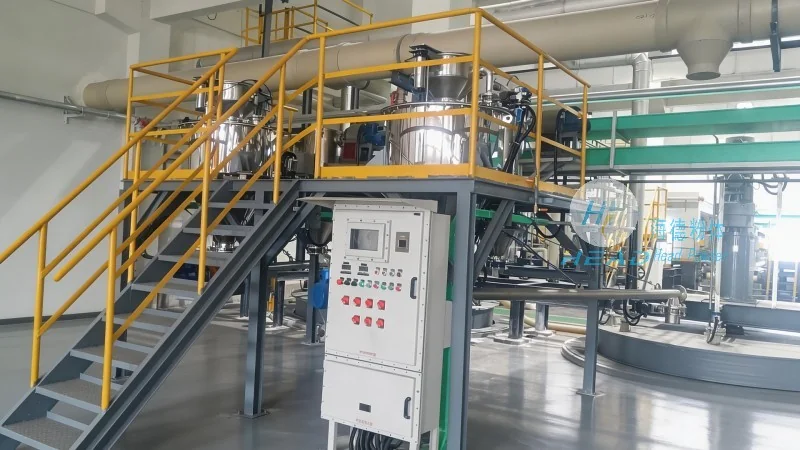
Shandong HeadPowder Engineering Co., Ltd., a leading provider of pneumatic conveying solutions, specializes in designing and implementing customized systems tailored to the unique requirements of cereal processing industries. With a focus on innovation and quality, HeadPowder offers advanced negative and positive pressure conveying technologies that enhance operational efficiency while maintaining the highest standards of product integrity. The company's expertise in material handling and system integration ensures that clients receive reliable, cost-effective solutions that meet their production goals. HeadPowder's commitment to customer satisfaction and technological advancement makes it a trusted partner for businesses seeking to optimize their cereal processing operations.