

Comparison of Advantages and Disadvantages of Negative Pressure and Positive Pressure Conveying in G
When it comes to the efficient and reliable transportation of gray calcium powder, the choice between negative pressure and positive pressure conveying systems is a critical decision for many industrial operations. Both methods offer distinct advantages and drawbacks, and understanding these can help businesses select the most suitable solution for their specific needs. This article provides a detailed comparison of negative pressure and positive pressure conveying systems, focusing on their applications, performance characteristics, and suitability for handling gray calcium powder.
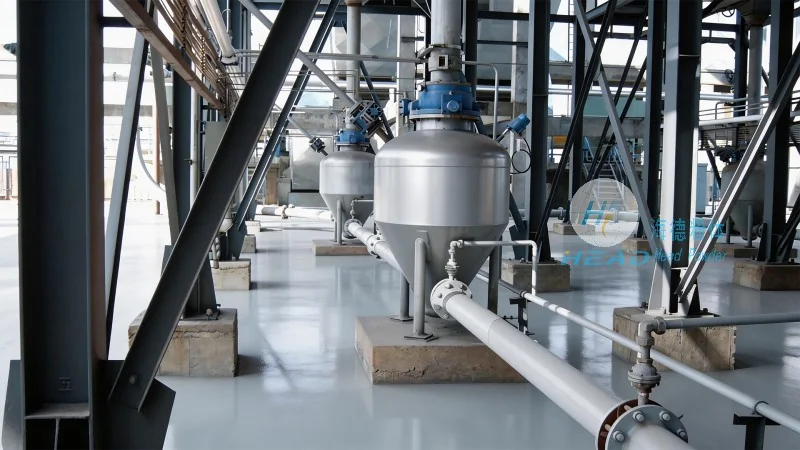
Introduction to Conveying Systems for Gray Calcium Powder
Gray calcium powder, often used in construction, manufacturing, and other industrial applications, requires specialized handling due to its fine particle size and potential for dust generation. Conveying systems are essential for moving this material from storage to processing or packaging areas. Two primary methods dominate the industry: negative pressure (or suction) conveying and positive pressure (or pressure) conveying. Each method operates on different principles, affecting factors such as material flow, system efficiency, and operational costs.
Understanding Negative Pressure Conveying
Negative pressure conveying, also known as suction conveying, operates by creating a low-pressure zone in the system that draws material from the source into the conveying line. This method is particularly effective for handling fine powders like gray calcium, as it can maintain a consistent flow without the need for high-pressure equipment. The system typically includes a vacuum pump, a hopper, and a pipeline that transports the material to the destination. One of the key advantages of negative pressure conveying is its ability to handle materials that are prone to dust and static, as the suction action helps to keep the material in suspension and reduces the risk of clogging. However, negative pressure systems may have limitations in terms of distance and material capacity, as the vacuum pressure diminishes over longer distances and with larger particle loads.
Advantages of Negative Pressure Conveying for Gray Calcium Powder
For gray calcium powder, negative pressure conveying offers several benefits. First, it is highly effective at handling fine powders, ensuring that the material remains in a consistent flow without segregation or agglomeration. The low-pressure operation minimizes the risk of material degradation, which is crucial for maintaining the quality of gray calcium powder used in construction and other applications. Additionally, negative pressure systems are generally quieter and require less maintenance compared to their positive pressure counterparts. They are also suitable for applications where the material needs to be transported from multiple sources or over varying distances, as the suction mechanism can adapt to different source locations. The ability to handle dusty environments without generating excessive noise or vibration makes this method attractive for facilities where noise control is a priority.
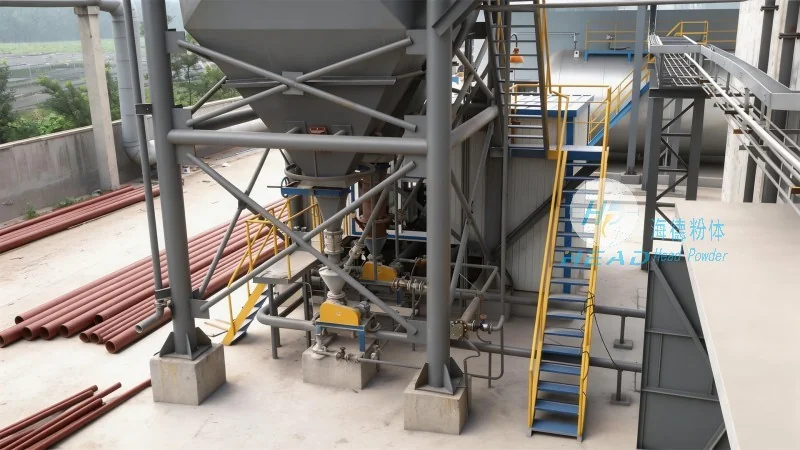
Disadvantages of Negative Pressure Conveying
Despite its advantages, negative pressure conveying has several drawbacks. One of the main limitations is its efficiency over long distances or with high material loads. As the vacuum pressure decreases with distance, the system may struggle to maintain sufficient suction, leading to reduced material flow rates. This can result in lower overall throughput and increased operational costs. Another drawback is the potential for system backflow or material leakage, as the low-pressure environment may not provide adequate containment. Additionally, negative pressure systems may require more complex filtration and dust collection equipment to prevent contamination and ensure compliance with environmental regulations. The initial investment for a negative pressure system can also be higher due to the need for robust vacuum pumps and filtration systems.
Understanding Positive Pressure Conveying
Positive pressure conveying, or pressure conveying, operates by forcing material through the conveying line using a positive pressure source, such as a blower or compressor. This method is ideal for transporting gray calcium powder over longer distances and with larger material volumes, as the pressure maintains the flow throughout the system. The system typically includes a hopper, a pressure source, and a pipeline that transports the material to the destination. Positive pressure conveying is particularly effective for handling materials that are prone to clogging or require high flow rates, as the pressure ensures that the material remains in suspension and moves efficiently through the pipeline.
Advantages of Positive Pressure Conveying for Gray Calcium Powder
Positive pressure conveying offers several advantages for gray calcium powder handling. First, it can transport materials over longer distances and with higher capacities compared to negative pressure systems. The consistent pressure ensures that the material flows smoothly through the pipeline, reducing the risk of clogging or material degradation. This makes it suitable for large-scale industrial operations where high throughput is required. Additionally, positive pressure systems are generally more energy-efficient for long-distance transport, as the pressure can be maintained at a consistent level without significant loss over distance. The ability to handle a wide range of particle sizes and moisture content also makes this method versatile for different applications. Positive pressure conveying also provides better control over material flow, allowing operators to adjust the pressure and flow rate to meet specific processing requirements.
Disadvantages of Positive Pressure Conveying
However, positive pressure conveying also has its limitations. One of the main drawbacks is the potential for material degradation due to high pressure and friction. The constant movement of material through the pipeline can cause wear and tear on the equipment, leading to increased maintenance costs and potential downtime. Additionally, positive pressure systems generate more noise and vibration compared to negative pressure systems, which may be a concern in facilities where noise control is important. The risk of dust and particulate emissions is also higher with positive pressure systems, as the high-pressure operation can cause material to break apart and release particles into the air. This may require additional filtration and dust collection equipment to ensure compliance with environmental regulations. The initial investment for a positive pressure system can also be higher due to the need for robust pressure sources and more durable pipeline components.
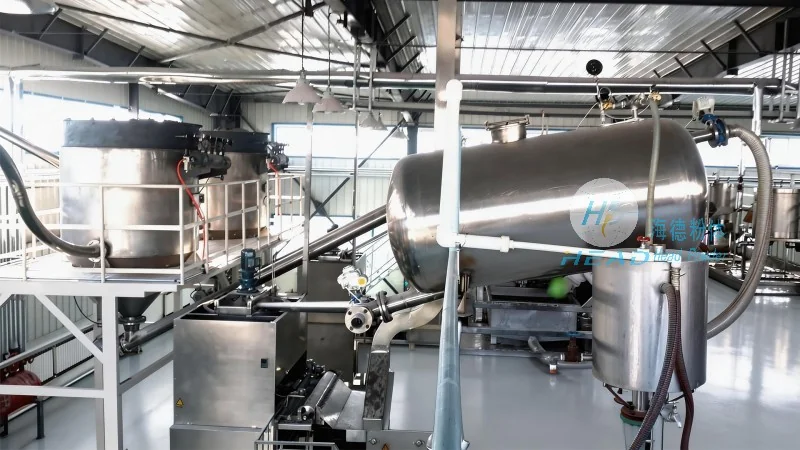
Comparative Analysis: Negative Pressure vs. Positive Pressure Conveying
When comparing negative pressure and positive pressure conveying for gray calcium powder, several factors must be considered. The choice between the two methods depends on the specific application requirements, including the distance of transport, material volume, and operational constraints. Negative pressure conveying is generally more suitable for shorter distances and lower material loads, as it is effective at handling fine powders and minimizing material degradation. Positive pressure conveying, on the other hand, is better suited for longer distances and higher material capacities, as it maintains consistent flow and pressure throughout the system. The efficiency of each method also varies with the type of material being transported. For example, negative pressure systems may be more effective for dusty or static-prone materials, while positive pressure systems are better for materials that are prone to clogging or require high flow rates.
Factors to Consider When Choosing a Conveying System
When selecting a conveying system for gray calcium powder, businesses should consider several factors to ensure the most suitable solution. First, the distance and volume of material to be transported are critical. For short distances and low volumes, negative pressure conveying may be sufficient, while longer distances and higher volumes may require positive pressure systems. The material properties, such as particle size, moisture content, and dust generation, also play a significant role. Fine powders like gray calcium may benefit from negative pressure systems due to their ability to maintain consistent flow without clogging. However, if the material is prone to clogging or requires high throughput, positive pressure conveying may be more appropriate. Operational costs, including energy consumption, maintenance, and initial investment, are also important considerations. Negative pressure systems may have lower energy costs but higher maintenance requirements, while positive pressure systems may have higher energy costs but lower maintenance needs. The facility layout and space constraints should also be taken into account, as negative pressure systems may require more space for filtration and dust collection equipment.
Conclusion: Selecting the Right Conveying System for Gray Calcium Powder
In conclusion, both negative pressure and positive pressure conveying systems offer viable solutions for handling gray calcium powder, each with its own set of advantages and drawbacks. The choice between the two methods depends on the specific operational requirements, including distance, material volume, and material properties. Negative pressure conveying is ideal for shorter distances and fine powders, providing consistent flow and minimizing material degradation. Positive pressure conveying is better suited for longer distances and higher material capacities, maintaining consistent pressure and flow throughout the system. By carefully evaluating the factors mentioned above, businesses can select the most suitable conveying system to ensure efficient and reliable handling of gray calcium powder. Whether choosing a negative pressure or positive pressure system, the goal is to achieve optimal performance, minimize operational costs, and maintain the quality of the material throughout the transportation process.