

Advantages and Disadvantages of Negative Pressure and Positive Pressure Conveying in Pharmaceutical
Pharmaceutical powder handling is a critical process in drug manufacturing, where efficient and safe transfer of powders is essential to maintain product quality and regulatory compliance. Among the various methods available, pneumatic conveying stands out as a versatile solution. However, within this category, two primary approaches dominate: negative pressure (or vacuum) conveying and positive pressure conveying. Each method has its own set of advantages and disadvantages, making the choice between them a strategic decision for pharmaceutical manufacturers. This article provides a detailed comparison of negative pressure and positive pressure conveying systems, highlighting their key benefits and drawbacks to help companies make informed choices.
Understanding Pneumatic Conveying in Pharmaceuticals
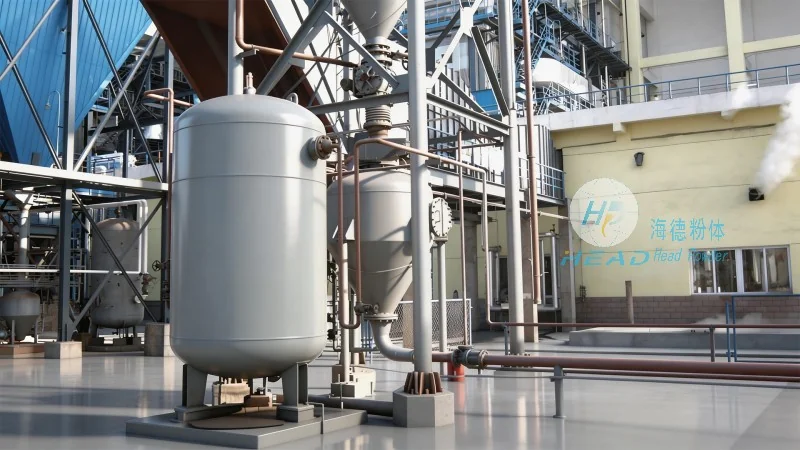
Pneumatic conveying involves using air or gas to transport bulk powders through a pipeline. The choice of conveying method—negative or positive pressure—significantly impacts system performance, cost, and suitability for specific applications. Negative pressure systems operate by creating a vacuum at the receiving end, drawing powders into the pipeline, while positive pressure systems force air and powders through the system using a blower or compressor at the discharge end.
Advantages and Disadvantages of Negative Pressure Conveying
Negative pressure conveying, also known as vacuum conveying, is often preferred for its ability to handle fine powders and delicate materials. One of the primary advantages is its gentle handling, which minimizes product degradation and preserves the integrity of sensitive pharmaceuticals. This method is particularly effective for transporting powders from multiple hoppers or containers to a central processing unit, as it can draw powders from various sources without the need for complex equipment at each source. Additionally, negative pressure systems are generally more energy-efficient compared to positive pressure systems, as they rely on the vacuum created by the suction fan rather than continuous compression of air.
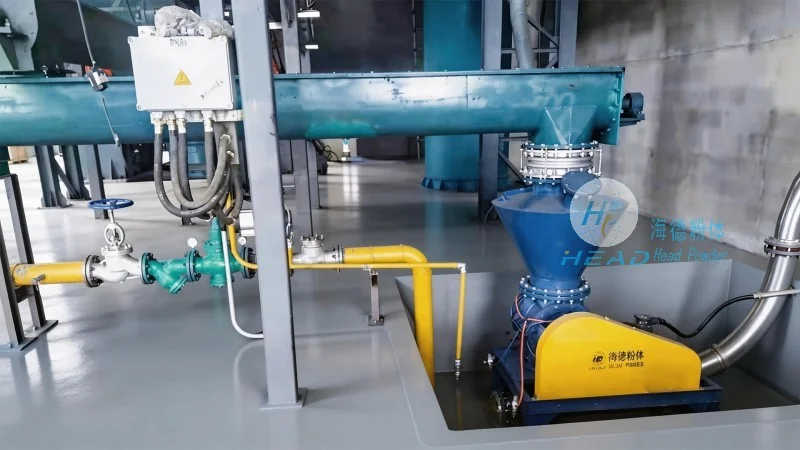
However, negative pressure conveying also has notable disadvantages. The most significant drawback is its limited range and capacity. Due to the pressure differential, these systems are typically suitable for short to medium distances, often up to 100 meters, and have lower conveying rates compared to positive pressure systems. This can be a constraint for large-scale production facilities that require long-distance transport. Another challenge is the risk of air leakage and contamination, as the system operates under negative pressure, making it susceptible to ingress of external particles or moisture. Maintenance and cleaning can also be more complex, as the entire system, including the suction fan and pipeline, must be carefully managed to prevent product buildup and ensure proper operation.
Advantages and Disadvantages of Positive Pressure Conveying
Positive pressure conveying, on the other hand, uses compressed air to push powders through the pipeline. This method is well-suited for longer distances and higher conveying rates, making it ideal for large-scale production environments. One of the key advantages is its ability to handle a wider range of materials, including coarse and abrasive powders, without causing excessive wear or degradation. Positive pressure systems are also more flexible in terms of layout, as they can accommodate longer pipelines and multiple transfer points without significant performance loss. Furthermore, these systems are generally easier to maintain and clean, as the air flow is continuous and directed away from the product, reducing the risk of product accumulation in the pipeline.
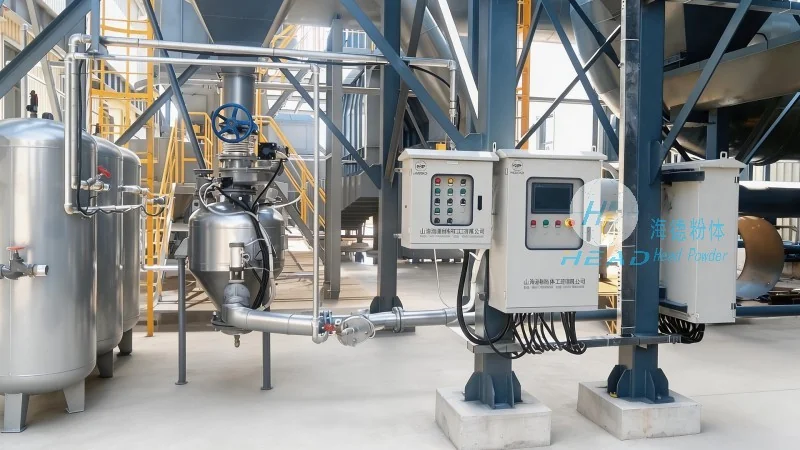
Despite these benefits, positive pressure conveying has its own set of drawbacks. The most prominent disadvantage is higher energy consumption compared to negative pressure systems. The continuous operation of the blower or compressor requires more power, leading to increased operational costs over time. Additionally, positive pressure systems are more prone to product degradation due to the higher air velocities and turbulence within the pipeline. This can be problematic for heat-sensitive or delicate pharmaceuticals, as the increased air flow may cause temperature fluctuations or particle attrition. Another consideration is the potential for product spillage at the discharge end, as the system operates under positive pressure, which can lead to uncontrolled release of powders if not properly managed.
Factors to Consider When Choosing a Conveying System
When selecting between negative pressure and positive pressure conveying for pharmaceutical applications, several factors must be carefully evaluated. The first consideration is the distance and capacity requirements. For short distances and low to medium conveying rates, negative pressure systems may be more cost-effective. Conversely, for long distances and high throughput, positive pressure systems offer better performance. The nature of the powder being conveyed is another critical factor. Fine, delicate powders may benefit from the gentle handling of negative pressure, while coarse or abrasive powders may be better suited to the robust nature of positive pressure systems. Regulatory compliance is also a key consideration, as both systems must meet stringent standards for product purity and contamination control. The overall layout of the manufacturing facility and existing infrastructure can also influence the choice, as some systems may be more compatible with existing equipment or space constraints.
Conclusion
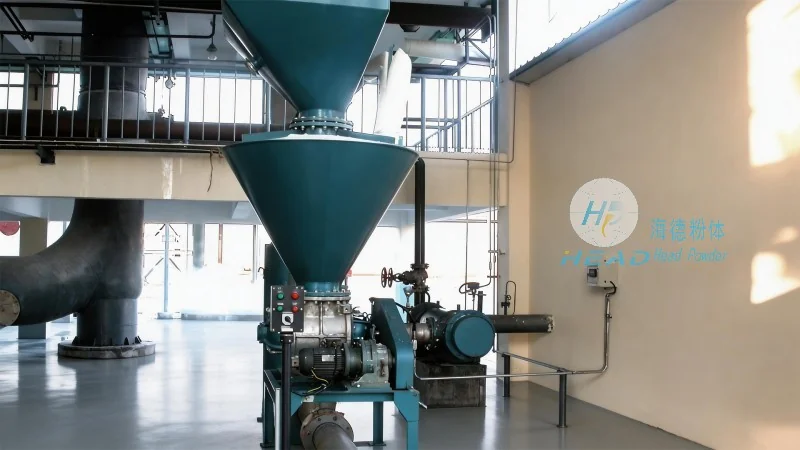
In conclusion, both negative pressure and positive pressure conveying systems have their place in pharmaceutical powder handling, each with distinct advantages and disadvantages. Negative pressure systems excel in handling fine and delicate powders over short to medium distances with lower energy consumption, while positive pressure systems are superior for long-distance transport and higher throughput with the ability to handle a wider range of materials. The optimal choice depends on the specific requirements of the manufacturing process, including the type of powder, distance, capacity, and regulatory considerations. By carefully evaluating these factors, pharmaceutical manufacturers can select the most suitable conveying system to ensure efficient, safe, and cost-effective powder handling.
Shandong HeadPowder Engineering Co., Ltd. specializes in providing advanced pneumatic conveying solutions tailored to the unique needs of the pharmaceutical industry. With a focus on innovation and compliance, the company offers customized systems that integrate negative and positive pressure technologies to optimize performance and meet regulatory standards. Based in Shandong, China, HeadPowder Engineering leverages years of experience to deliver reliable and efficient solutions for pharmaceutical powder handling, helping companies enhance productivity and maintain product quality.