

Comparison of Advantages and Disadvantages of Negative Pressure and Positive Pressure Conveying in C
Carbon black is a critical raw material in various industries, including rubber, plastics, and pigments. Efficient and reliable transportation of carbon black from storage to processing units is essential for maintaining production efficiency and product quality. Pneumatic conveying systems offer a versatile solution for this purpose, and among the most common methods are negative pressure (or vacuum) and positive pressure systems. This article provides a detailed comparison of the advantages and disadvantages of these two approaches, helping industrial operators make informed decisions when selecting a conveying system for their carbon black handling needs.
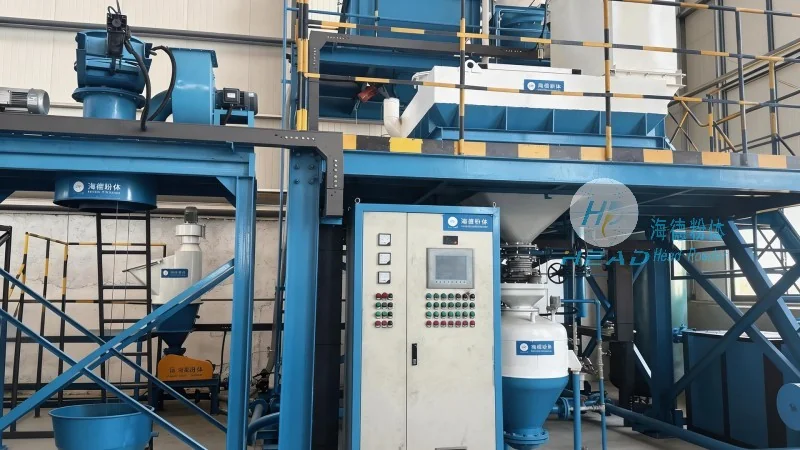
Understanding Negative Pressure and Positive Pressure Conveying
Negative pressure (vacuum) conveying systems operate by creating a vacuum at the receiving end of the pipeline, drawing material from the source into the system. Conversely, positive pressure systems generate pressure at the discharge end, pushing material through the pipeline. Both methods have distinct characteristics that influence their suitability for different applications, particularly in carbon black handling where material properties and process requirements play a significant role.
Advantages of Negative Pressure Conveying in Carbon Black Handling
Negative pressure conveying offers several advantages in carbon black applications. Firstly, it is generally considered safer as it operates at lower pressures, reducing the risk of material leakage or system overpressure. This makes it suitable for handling materials that are sensitive to pressure changes or for environments where safety is a top priority. Secondly, negative pressure systems are often more energy-efficient for short-distance conveying, as the vacuum created can be maintained with less power compared to generating high pressure for long distances. Additionally, these systems are less likely to cause dust explosions, as the material is drawn into the system rather than being expelled under pressure.
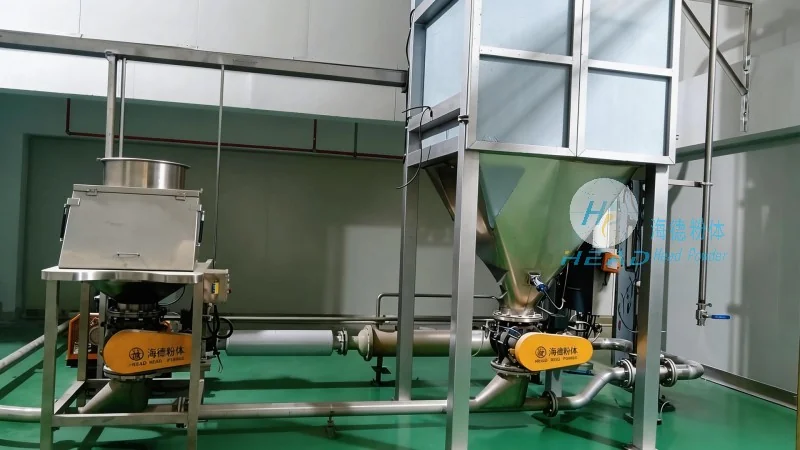
Disadvantages of Negative Pressure Conveying in Carbon Black Handling
Despite its advantages, negative pressure conveying has notable drawbacks in carbon black handling. One of the primary limitations is its lower conveying capacity compared to positive pressure systems, especially over longer distances or with larger particle sizes. The vacuum created may not be sufficient to move large volumes of carbon black efficiently, leading to reduced throughput. Another disadvantage is the potential for material degradation due to prolonged exposure to the vacuum environment, particularly if the carbon black is sensitive to air or moisture. Furthermore, negative pressure systems require more complex filtration and maintenance to prevent dust accumulation and ensure consistent performance.
Advantages of Positive Pressure Conveying in Carbon Black Handling
Positive pressure conveying systems excel in scenarios where high throughput and long-distance transportation are required. By generating pressure at the discharge end, these systems can move large volumes of carbon black quickly and efficiently, making them ideal for industrial-scale operations. Another advantage is their ability to handle a wider range of particle sizes and moisture content without compromising performance. Positive pressure systems also tend to be more robust and less prone to clogging, as the material is continuously pushed through the pipeline rather than being drawn in.
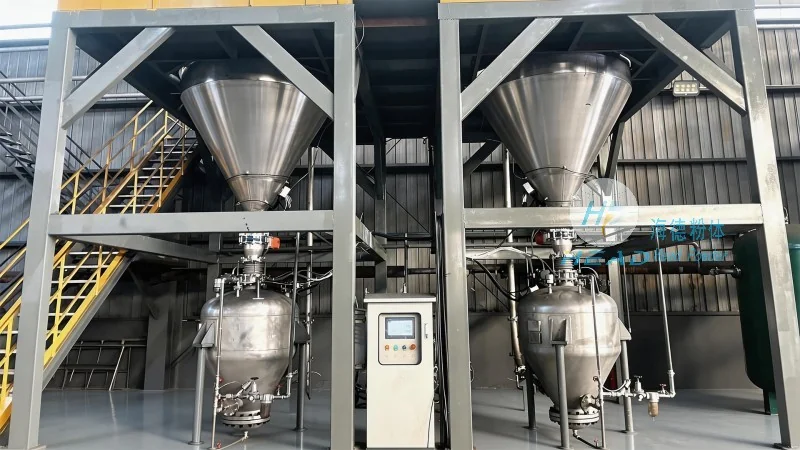
Disadvantages of Positive Pressure Conveying in Carbon Black Handling
While effective for high-volume applications, positive pressure conveying has its own set of challenges. The most significant drawback is the higher energy consumption compared to negative pressure systems, especially for long-distance conveying. Generating high pressure requires more power, which increases operational costs. Additionally, positive pressure systems pose higher safety risks due to the potential for pressure buildup and material leakage, which can lead to dust explosions if not properly managed. Maintenance is also more critical, as the system components are subjected to higher stress and wear from continuous pressure operation.
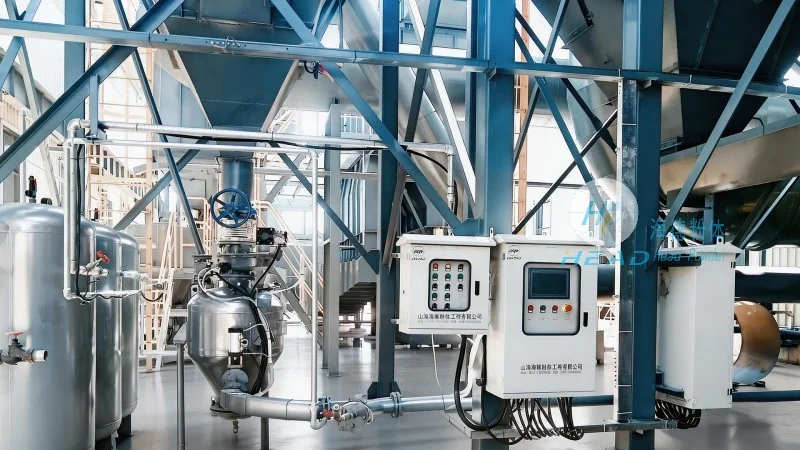
Key Considerations for Choosing Between Negative and Positive Pressure Systems
When selecting between negative and positive pressure conveying systems for carbon black handling, several factors must be evaluated. The first consideration is the distance and volume of material to be conveyed. Short distances with low volumes may favor negative pressure systems, while long distances or high throughput requirements typically point to positive pressure solutions. The second factor is the material properties, such as particle size, moisture content, and dust explosion risk. Materials that are sensitive to pressure or prone to dust explosions may benefit from negative pressure systems. The third consideration is operational costs, including energy consumption and maintenance requirements. Positive pressure systems may have higher initial and operational costs due to energy demands and safety measures, whereas negative pressure systems may offer lower energy use but higher maintenance for filtration.
Conclusion
Choosing between negative pressure and positive pressure pneumatic conveying systems for carbon black handling requires a careful assessment of operational needs, material characteristics, and cost considerations. Both systems have their unique advantages and disadvantages, and the optimal choice depends on the specific requirements of the industrial application. By understanding these factors, operators can select a conveying system that maximizes efficiency, safety, and cost-effectiveness, ensuring smooth and reliable carbon black transportation in their production processes.