

Advantages and Disadvantages of Negative Pressure and Positive Pressure Conveying in Municipal Solid
When it comes to the transportation of municipal solid waste (MSW) using pneumatic conveying systems, two primary methods dominate the industry: negative pressure conveying and positive pressure conveying. Each approach has its own set of advantages and disadvantages, making the choice between them critical for optimizing waste management operations. This article provides a detailed comparison of these two methods, focusing on their operational characteristics, efficiency, and suitability for different waste handling scenarios.
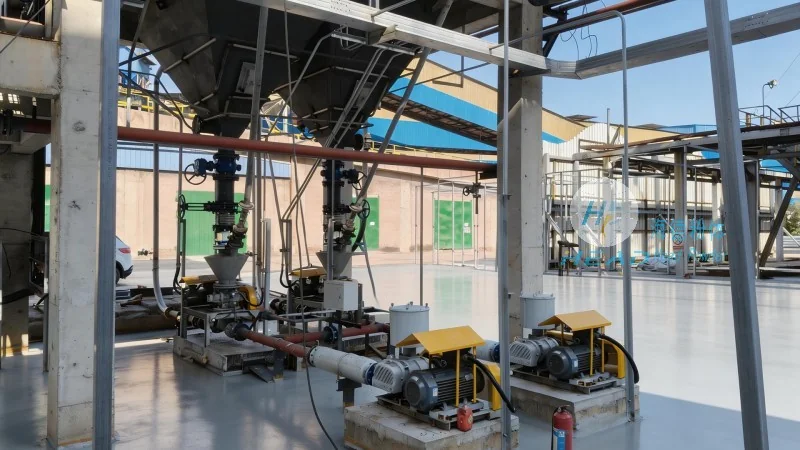
Understanding Negative Pressure Conveying in Waste Management
Negative pressure conveying, also known as suction conveying, operates by creating a low-pressure environment at the inlet of the system. This draws the waste material into the pipeline using a vacuum or suction force. The primary advantage of this method is its ability to handle materials that are difficult to transport under pressure, such as fine powders or granular waste that might otherwise be prone to clogging. Additionally, negative pressure systems are often more energy-efficient as they require less power to maintain the suction force compared to positive pressure systems. However, they have limitations, particularly in terms of distance and material density. The suction force diminishes over longer distances, which can restrict the length of the conveying line. Moreover, the system is more susceptible to air leakage, which can lead to reduced efficiency and increased energy consumption. Another drawback is the potential for material degradation, as the low pressure may not be sufficient to handle abrasive or high-density waste without causing wear on the system components.
Advantages of Positive Pressure Conveying for Waste Transport
Positive pressure conveying, or pressure conveying, works by forcing air and waste material through the pipeline using a positive pressure source, such as a blower or compressor. This method is particularly effective for transporting larger, bulkier waste materials over longer distances. The primary advantage is its ability to handle high-density and abrasive materials without significant wear on the system components. The positive pressure also helps maintain a consistent flow rate, ensuring reliable operation even with varying waste loads. Furthermore, positive pressure systems can cover greater distances compared to negative pressure systems, as the pressure remains relatively constant throughout the pipeline. However, these systems are generally more energy-intensive, as they require continuous power to maintain the pressure. This can lead to higher operational costs, especially for large-scale waste management facilities. Additionally, positive pressure conveying may generate more noise and require more robust sealing to prevent air leakage, which can be a concern in urban or residential areas.
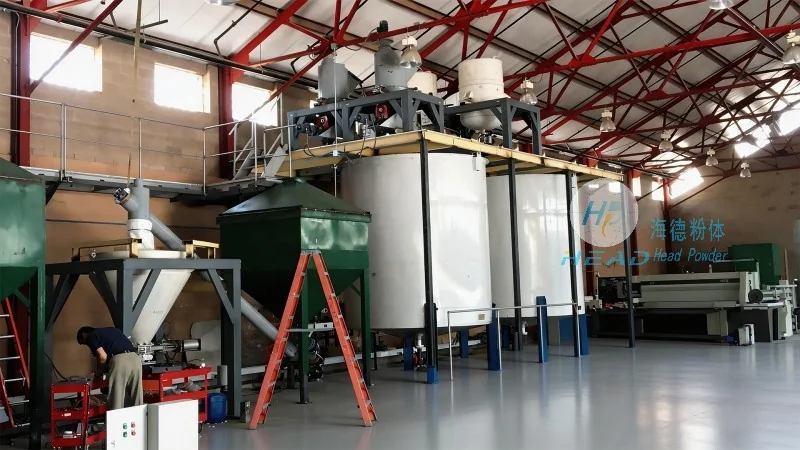
Disadvantages of Positive Pressure Conveying
While positive pressure conveying offers several benefits, it also has notable disadvantages. The most significant drawback is the higher energy consumption compared to negative pressure systems. This can increase the overall operational costs, particularly for facilities handling large volumes of waste. Another disadvantage is the potential for material degradation, as the high-pressure air can cause the waste to break down or become more abrasive over time. This may require more frequent maintenance and replacement of system components, such as pipelines and valves. Additionally, positive pressure systems are more prone to clogging, especially with wet or sticky waste materials, which can lead to system downtime and maintenance issues. The higher pressure also increases the risk of equipment failure, as the components must be designed to withstand greater stress and pressure.
Disadvantages of Negative Pressure Conveying
For negative pressure conveying, the main disadvantages include the limitations on distance and material handling. The suction force decreases with distance, which restricts the length of the conveying line and may require additional booster units to maintain efficiency over longer distances. This can increase the complexity and cost of the system. Another disadvantage is the higher risk of air leakage, which can reduce the suction efficiency and lead to increased energy consumption. The system is also more susceptible to clogging with wet or sticky waste, as the low pressure may not be sufficient to move the material through the pipeline. Additionally, negative pressure systems may require more frequent cleaning and maintenance to prevent the buildup of debris in the suction line, which can affect the overall performance and lifespan of the equipment.
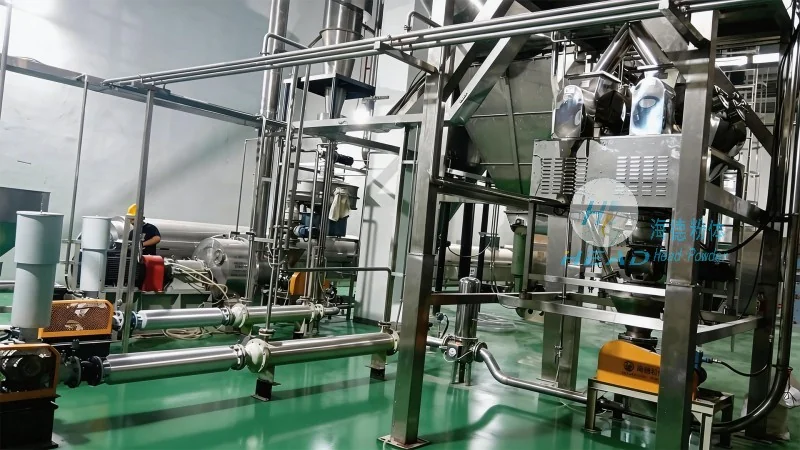
Comparative Analysis: Which Method is More Suitable?
When deciding between negative pressure and positive pressure conveying for municipal solid waste management, several factors must be considered. The choice depends on the type of waste material, the distance to be covered, and the operational budget. For example, if the waste is fine and dry, negative pressure conveying may be more suitable due to its lower energy consumption and ability to handle delicate materials. However, if the waste is bulky and abrasive, positive pressure conveying may be preferred for its ability to handle high-density materials over longer distances. The cost of installation and maintenance is also a critical factor. Negative pressure systems are generally less expensive to install but may require more frequent maintenance due to air leakage and clogging issues. Positive pressure systems are more expensive to install but have lower maintenance costs due to their robust design and less frequent clogging. Ultimately, the decision should be based on a thorough analysis of the specific waste management requirements and operational constraints.
About HeadPowder: Expert in Waste Pneumatic Conveying Solutions
Shandong HeadPowder Engineering Co., Ltd. is a leading provider of advanced pneumatic conveying solutions for municipal solid waste management. With years of experience in the industry, HeadPowder specializes in designing and manufacturing customized conveying systems that meet the unique needs of waste management facilities. The company's expertise lies in understanding the nuances of both negative and positive pressure conveying systems, allowing them to recommend the most suitable solution for each project. HeadPowder's team of engineers and technicians work closely with clients to assess their waste handling requirements, ensuring that the chosen system is efficient, reliable, and cost-effective. The company's commitment to quality and innovation has made it a trusted partner for waste management facilities across China. With a focus on sustainability and environmental responsibility, HeadPowder's solutions help reduce the environmental impact of waste transportation while improving operational efficiency. Whether it's a negative pressure or positive pressure system, HeadPowder provides comprehensive support, from design and installation to maintenance and troubleshooting. The company's dedication to customer satisfaction and technical excellence has established it as a leader in the waste pneumatic conveying industry.