

Advantages and Disadvantages of Negative Pressure and Positive Pressure Conveying in Grain Pneumatic
When it comes to grain handling and transportation, pneumatic conveying systems offer efficient solutions for moving bulk materials. Two primary methods dominate the industry: negative pressure (suction) conveying and positive pressure (blow) conveying. Each has its own set of advantages and disadvantages, which are crucial for selecting the right system based on specific operational requirements. This article provides a detailed comparison of negative pressure and positive pressure conveying in the context of grain transport, highlighting the key factors that influence their performance and suitability.
Understanding Pneumatic Conveying Systems
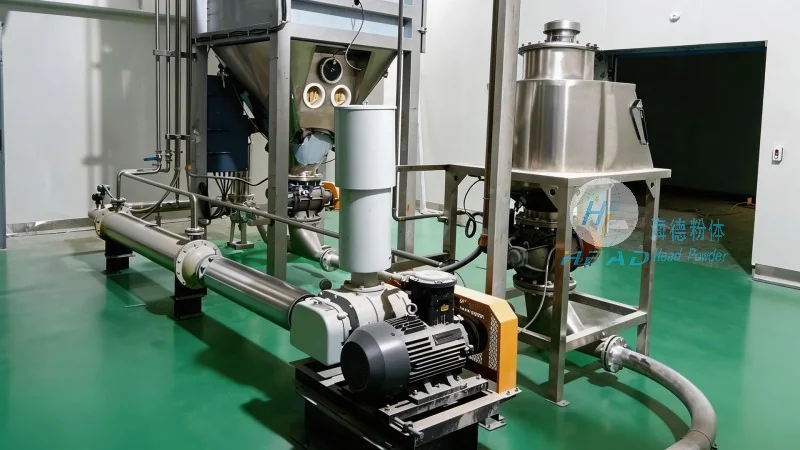
Pneumatic conveying systems use air to transport bulk materials like grains through a pipeline. The two main types are negative pressure (or suction) and positive pressure (or blow) systems. Negative pressure systems draw material into the system using a vacuum, while positive pressure systems push material through the pipeline using compressed air. Both methods have evolved to meet the demands of modern grain processing and storage facilities.
Advantages of Negative Pressure Conveying
Negative pressure conveying, also known as suction conveying, offers several benefits that make it suitable for certain applications. One of the primary advantages is its ability to handle materials that are prone to dust generation or have a tendency to create dust during transport. The vacuum created in the system helps to contain and control dust, reducing the risk of airborne contamination and improving workplace safety. This makes negative pressure systems particularly useful in environments where dust control is a critical concern, such as in food processing facilities or areas with strict air quality regulations.
Another key advantage of negative pressure conveying is its lower energy consumption compared to positive pressure systems, especially for long-distance or high-capacity applications. The vacuum pump used in negative pressure systems typically operates at lower pressures, resulting in reduced energy costs. This can be a significant factor for facilities looking to minimize operational expenses while maintaining efficient material transport. Additionally, negative pressure systems are generally more cost-effective to install and maintain, as they often require fewer components and less complex piping compared to their positive pressure counterparts.
Disadvantages of Negative Pressure Conveying
Despite its benefits, negative pressure conveying has several limitations that may affect its suitability for certain operations. One major drawback is its lower conveying capacity compared to positive pressure systems. The vacuum created in the system can limit the amount of material that can be transported at a given time, making it less efficient for high-volume applications. This can result in longer processing times and increased downtime, which may not be acceptable for facilities with high production demands.
Another disadvantage is the potential for material degradation or degradation of the conveying system components. The high velocity of air in negative pressure systems can cause wear and tear on the pipeline and other components, leading to increased maintenance costs and reduced system lifespan. Additionally, negative pressure systems are more susceptible to clogging due to the lower pressure and the tendency of materials to stick to the pipe walls under vacuum conditions. This can lead to frequent system shutdowns for cleaning and maintenance, further impacting operational efficiency.
Advantages of Positive Pressure Conveying
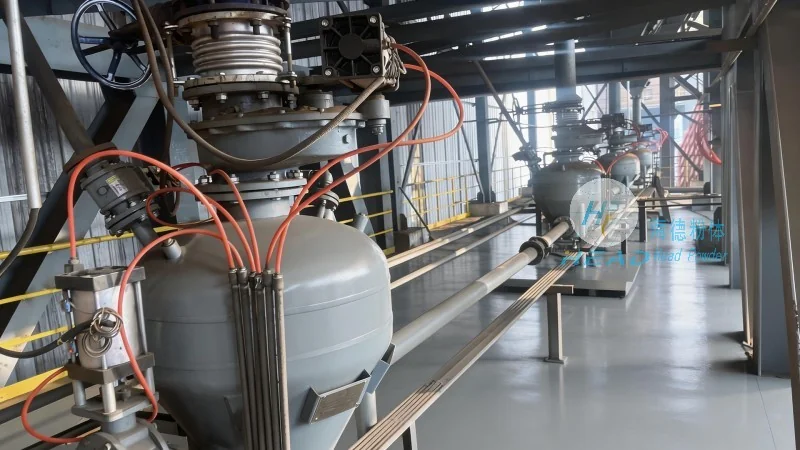
Positive pressure conveying, or blow conveying, offers distinct advantages that make it a preferred choice for many grain handling applications. One of the most significant benefits is its higher conveying capacity and ability to handle larger volumes of material. The compressed air used in positive pressure systems provides a higher pressure, allowing for more material to be transported through the pipeline at a given time. This makes positive pressure systems ideal for high-volume operations, such as in large-scale grain storage and processing facilities.
Another advantage of positive pressure conveying is its better ability to handle abrasive or sticky materials. The higher pressure and velocity of air in the system help to prevent material buildup and clogging, ensuring smoother and more consistent transport. This is particularly important for grains that have high moisture content or are prone to clumping, as positive pressure systems can effectively break up and move these materials without causing blockages.
Furthermore, positive pressure conveying systems are generally more reliable and less prone to system failures compared to negative pressure systems. The absence of a vacuum pump in the conveying line reduces the risk of pump-related issues, such as wear or failure, which can lead to system downtime. This increased reliability can result in lower maintenance costs and higher overall system availability, making positive pressure systems a more durable and long-term solution for many facilities.
Disadvantages of Positive Pressure Conveying
While positive pressure conveying has its advantages, it also comes with several drawbacks that must be considered. One of the primary disadvantages is its higher energy consumption compared to negative pressure systems. The compressed air required for positive pressure conveying is typically generated by an air compressor, which consumes more energy than the vacuum pump used in negative pressure systems. This can lead to higher operational costs, especially for facilities with high energy demands or those operating in regions with high electricity prices.
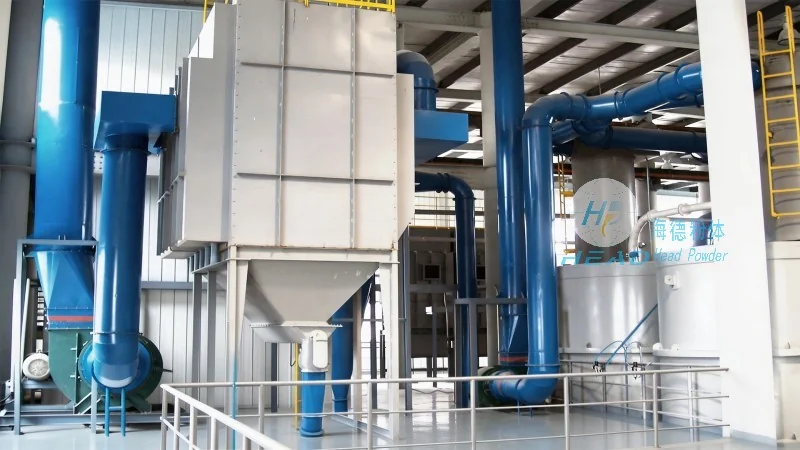
Another disadvantage is the increased risk of dust and air pollution. Positive pressure systems push material through the pipeline using compressed air, which can cause dust to be released into the environment if not properly contained. This can lead to air quality issues and may require additional dust control measures, such as filtration systems, to meet environmental regulations. The higher pressure also increases the risk of system leaks, which can result in air loss and reduced conveying efficiency.
Additionally, positive pressure conveying systems are generally more complex and expensive to install and maintain compared to negative pressure systems. The need for an air compressor, larger piping, and more robust components increases the initial investment and ongoing maintenance costs. This can be a significant barrier for smaller facilities or those with limited budgets, making negative pressure systems a more cost-effective option in such cases.
Choosing the Right Conveying System for Grain Transport
When selecting a pneumatic conveying system for grain transport, it is essential to consider the specific requirements of the operation. The choice between negative pressure and positive pressure conveying depends on factors such as the type of grain being handled, the distance and volume of material to be transported, the need for dust control, and the overall operational costs. For applications where dust control is a top priority and lower energy consumption is desired, negative pressure conveying may be the better choice. However, for high-volume operations requiring efficient material transport and minimal system downtime, positive pressure conveying may offer superior performance.
It is also important to consider the long-term maintenance and operational costs when making a decision. While negative pressure systems may have lower initial costs, their higher maintenance requirements and potential for system failures can increase overall expenses over time. Positive pressure systems, on the other hand, may have higher initial costs but offer greater reliability and lower maintenance needs, resulting in better long-term value.
Conclusion
In conclusion, both negative pressure and positive pressure conveying systems have their own set of advantages and disadvantages when used in grain pneumatic transport. The choice between the two depends on the specific needs of the facility, including material characteristics, operational requirements, and cost considerations. By understanding the key factors that influence the performance of each system, facilities can make an informed decision that maximizes efficiency and minimizes operational costs.
Shandong HeadPowder Engineering Co., Ltd., a leading provider of pneumatic conveying solutions, offers a range of systems tailored to meet the diverse needs of the grain industry. With years of experience and expertise in the field, HeadPowder provides customized solutions that combine the benefits of both negative and positive pressure conveying, ensuring optimal performance and reliability for grain handling operations. Whether you need a system for dust control, high-volume transport, or cost-effective material movement, HeadPowder has the expertise and technology to deliver the right solution for your needs.