

Advantages and Disadvantages of Negative Pressure vs. Positive Pressure Pneumatic Conveying for PP P
PP (polypropylene) pellets are widely used in various industries, including plastics manufacturing, automotive, and packaging. The efficient and reliable transportation of these pellets is crucial for maintaining production line continuity and reducing operational costs. Pneumatic conveying systems offer a solution by transporting bulk materials through a pipeline using air or gas as the conveying medium. Among the different types of pneumatic conveying, negative pressure (or suction) and positive pressure (or pressure) systems are the two primary methods. This article provides a detailed comparison of the advantages and disadvantages of negative pressure versus positive pressure pneumatic conveying for PP pellets, helping industrial operators make informed decisions based on their specific application requirements.
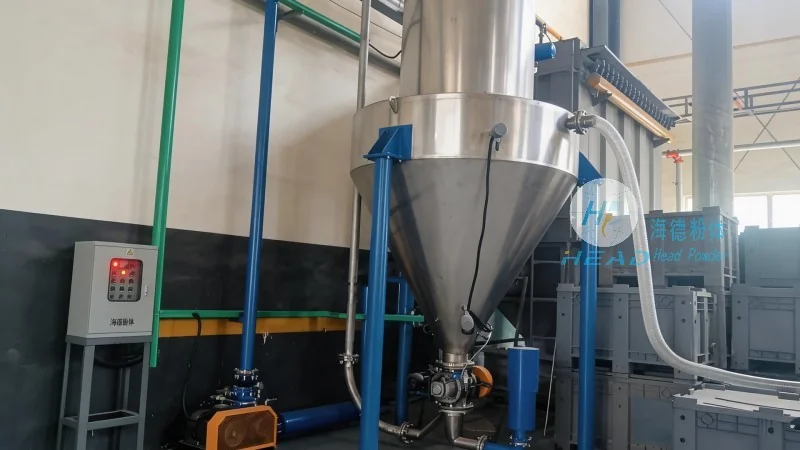
About Shandong HeadPowder Engineering Co., Ltd.
Shandong HeadPowder Engineering Co., Ltd., a leading provider of pneumatic conveying solutions, specializes in designing and manufacturing customized systems for various bulk material handling needs. With a strong focus on innovation and quality, the company has established itself as a trusted partner in the industry. HeadPowder is headquartered in Shandong, China, and serves clients globally with advanced engineering expertise and reliable product performance. The company's commitment to customer satisfaction and technological advancement ensures that its solutions meet the highest standards of efficiency and durability.
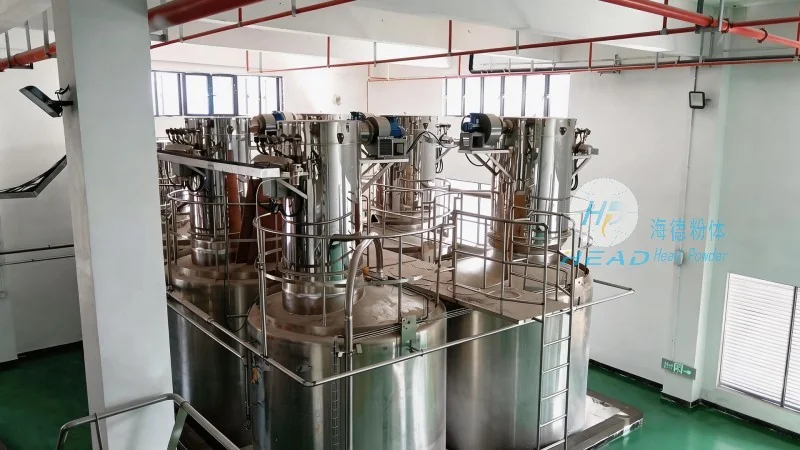
Understanding Negative Pressure Pneumatic Conveying
Negative pressure pneumatic conveying, also known as suction conveying, operates by creating a vacuum in the conveying line to draw material from the source to the destination. This method is particularly effective for transporting materials from multiple points or over longer distances, as it can handle a wide range of particle sizes and densities. The system typically includes a vacuum pump, a hopper, and a receiver, with the material being drawn into the pipeline under the influence of the vacuum.
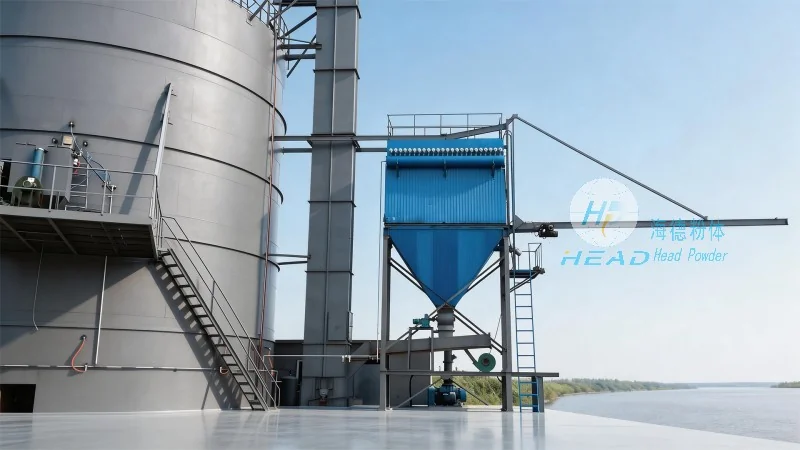
One of the key advantages of negative pressure conveying is its ability to handle fine powders and dust without causing excessive wear on the system components. The low pressure environment reduces the risk of material degradation and ensures a cleaner operation. Additionally, this method is generally more energy-efficient compared to positive pressure systems, as it requires less power to maintain the vacuum. However, negative pressure systems have limitations, such as the need for a sealed receiver to prevent air leakage and the potential for material buildup in the suction line, which can affect system performance over time.