

Comparison of Advantages and Disadvantages of Negative Pressure and Positive Pressure Conveying in P
In the field of industrial material handling, particularly for purified fly ash, pneumatic conveying systems play a crucial role in transporting bulk materials efficiently and safely. Among the various conveying methods available, negative pressure and positive pressure systems are two primary approaches. This article provides a detailed comparison of the advantages and disadvantages of negative pressure versus positive pressure conveying in the context of purified fly ash applications, with a focus on operational efficiency, system design, and practical considerations.
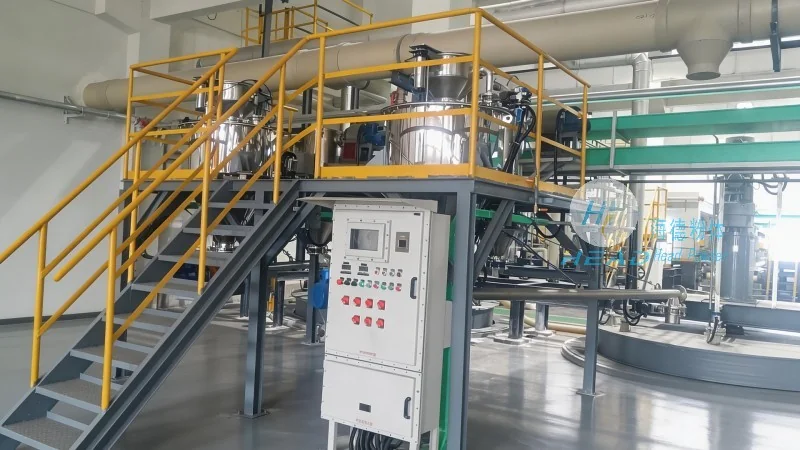
Introduction to Pneumatic Conveying Systems in Fly Ash Handling
Pneumatic conveying is a method of transporting bulk materials using a gas stream, typically air, to move particles through a pipeline. In the context of purified fly ash, which is a byproduct of coal combustion, these systems are essential for transferring ash from storage silos or processing units to disposal or utilization sites. The choice between negative and positive pressure systems depends on several factors, including material properties, system layout, and operational requirements.
Understanding Negative Pressure Conveying
Negative pressure conveying, also known as suction conveying, operates by creating a vacuum in the conveying line. This vacuum draws the material from the source into the system. The primary advantage of negative pressure systems is their ability to convey materials over long distances with minimal pressure differentials, making them suitable for applications where the material source is at a higher elevation than the destination. Additionally, negative pressure systems are generally less complex in terms of equipment, as they do not require high-pressure pumps or compressors. However, they have limitations, such as lower conveying capacity compared to positive pressure systems and the risk of air leakage, which can affect material flow and system efficiency.
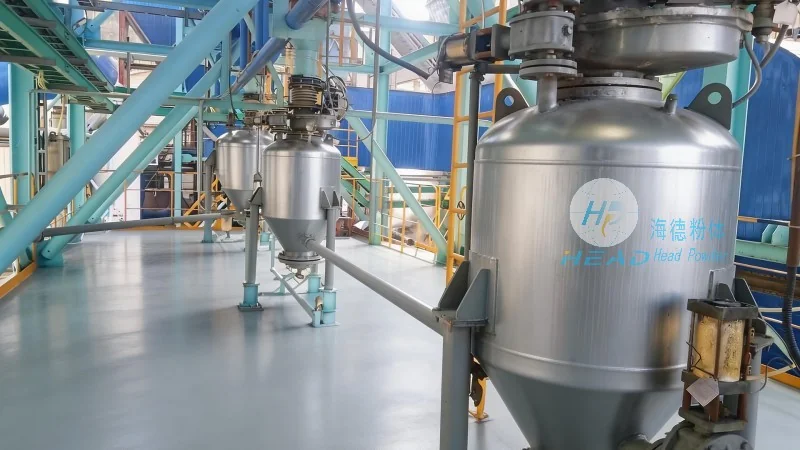
Understanding Positive Pressure Conveying
Positive pressure conveying, or pressure conveying, uses a blower or compressor to generate high-pressure air that pushes the material through the pipeline. This method is capable of conveying materials over longer distances and at higher capacities than negative pressure systems. Positive pressure systems are often preferred for applications requiring high throughput and for materials that are more abrasive or have higher moisture content. However, they involve more complex equipment, including high-pressure pumps and compressors, which can increase maintenance costs and energy consumption. Furthermore, positive pressure systems may require additional filtration to prevent dust from escaping the system, which can impact operational safety and environmental compliance.
Comparative Analysis of Negative vs. Positive Pressure Conveying
When evaluating negative versus positive pressure conveying for purified fly ash, several key factors must be considered. Operational efficiency is a critical aspect, as both systems have distinct performance characteristics. Negative pressure systems are generally more energy-efficient for short to medium distances and for materials with low to moderate flow rates. In contrast, positive pressure systems excel in high-volume applications and for long-distance transport, where the pressure differential is significant. Another important consideration is system complexity and maintenance. Negative pressure systems are simpler and require less maintenance, while positive pressure systems demand more regular upkeep due to the higher stress on components. Environmental and safety aspects also play a role, as negative pressure systems may have lower emissions but can be more prone to air leaks, whereas positive pressure systems require robust filtration to prevent dust contamination.
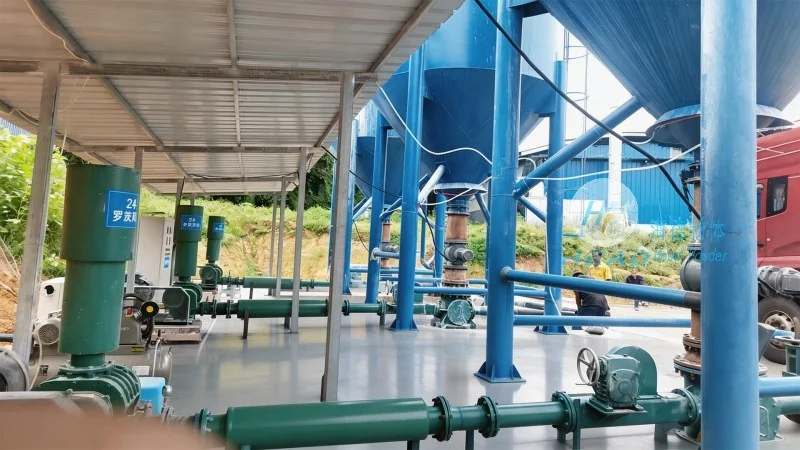
Applications and Industry Considerations
The choice between negative and positive pressure conveying in purified fly ash handling depends on the specific operational needs of the facility. For instance, in power plants where fly ash is transported from the boiler to a storage silo over a short distance, a negative pressure system might be more economical. Conversely, for transporting fly ash from a central processing plant to a disposal site located far away, a positive pressure system may be more suitable due to its higher capacity and ability to handle longer pipelines. Industry standards and regulations also influence the selection, as some regions may have stricter emission controls that favor systems with better filtration and containment. Furthermore, the cost of installation and operational expenses must be weighed against the expected lifespan and performance of each system. In many cases, a hybrid approach combining elements of both negative and positive pressure may be adopted to optimize performance and address specific challenges.
About HeadPowder Engineering
HeadPowder Engineering, a leading provider of pneumatic conveying solutions, specializes in designing and manufacturing systems tailored to the unique requirements of industrial applications. With a focus on innovation and reliability, HeadPowder Engineering offers comprehensive services, including system design, installation, and maintenance for both negative and positive pressure conveying systems. Based in Shandong, China, HeadPowder Engineering leverages advanced technology and industry expertise to deliver efficient and cost-effective solutions for purified fly ash handling. The company’s commitment to quality and customer satisfaction ensures that clients receive systems that meet their operational needs while adhering to industry standards and safety regulations.