

Comparison of Advantages and Disadvantages of Negative Pressure and Positive Pressure Conveying for
When it comes to the transportation of fine coal powder, selecting the appropriate pneumatic conveying system is crucial for ensuring efficiency, safety, and cost-effectiveness. Two primary methods are widely used: negative pressure conveying and positive pressure conveying. Each has its own set of advantages and disadvantages, which can significantly impact the overall performance of the conveying process. This article provides a detailed comparison of these two approaches, helping to inform decisions for industrial applications.
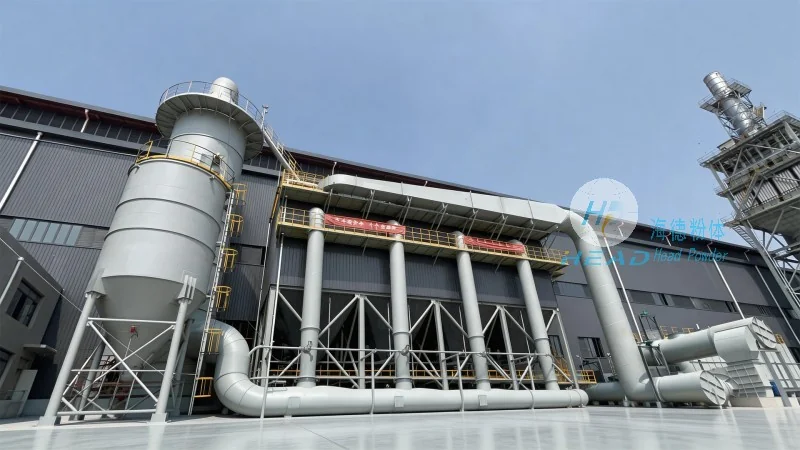
Overview of Pneumatic Conveying Systems
Pneumatic conveying systems are used to transport bulk materials like fine coal powder through a pipeline using air or gas as the conveying medium. The choice between negative pressure and positive pressure systems depends on factors such as material properties, distance, and the need for containment. Both methods are effective but differ in their operational principles and associated benefits.
Negative Pressure Conveying: Principles and Advantages
Negative pressure conveying, also known as suction conveying, operates by creating a vacuum at the material intake point. This vacuum draws the material into the pipeline, where it is then carried to the discharge point by the moving air. The system is characterized by its ability to draw material from a source without the need for direct contact with the material, which can be advantageous in certain applications.
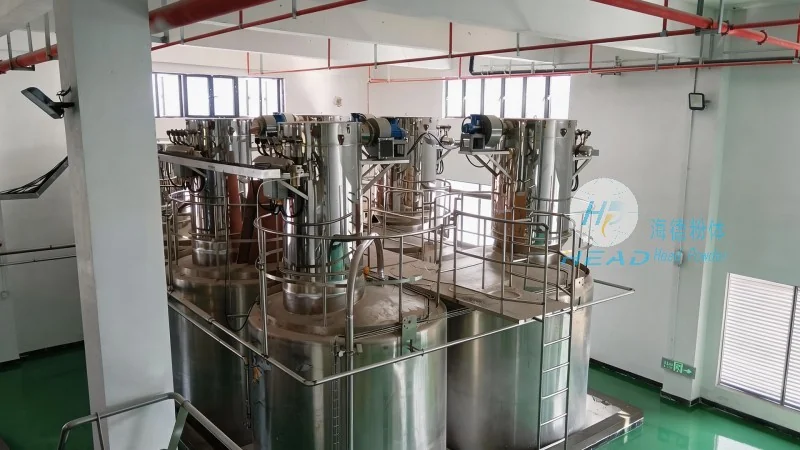
One of the key advantages of negative pressure conveying is its ability to handle fine and dusty materials without causing excessive wear on the equipment. The low pressure environment reduces the risk of material degradation and ensures that the material remains in a dry state throughout the process. Additionally, this method is often more energy-efficient for shorter distances, as the vacuum created is sufficient to move the material without requiring high air velocities.
Disadvantages of Negative Pressure Conveying
Despite its benefits, negative pressure conveying has several drawbacks. The primary limitation is its lower conveying capacity compared to positive pressure systems. The vacuum pressure is typically limited to around 0.5 to 1 bar, which restricts the volume of material that can be transported. This makes it less suitable for long-distance or high-volume applications. Another disadvantage is the risk of air leakage, which can lead to material loss and contamination. The system also requires careful maintenance to prevent blockages and ensure consistent performance.
Positive Pressure Conveying: Principles and Advantages
Positive pressure conveying, or pressure conveying, works by blowing air or gas into the pipeline at the discharge end, creating pressure that pushes the material forward. This method is often more suitable for longer distances and higher material volumes. The system is characterized by its ability to handle a wider range of material sizes and moisture content, making it versatile for various industrial applications.
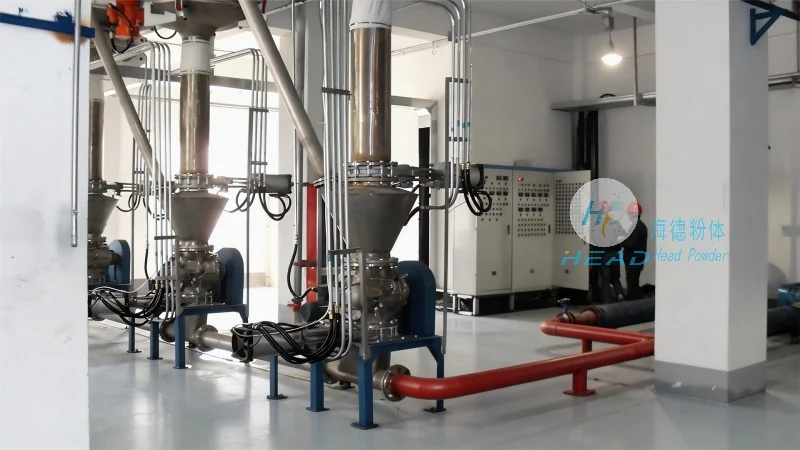
A major advantage of positive pressure conveying is its higher conveying capacity and ability to transport materials over longer distances. The pressure can be increased to several bars, allowing for the movement of larger volumes of material. This makes it ideal for applications where the material needs to be transported over several kilometers or to multiple destinations. Additionally, positive pressure systems are generally more reliable and less prone to blockages, as the material is continuously pushed through the pipeline.
Disadvantages of Positive Pressure Conveying
However, positive pressure conveying also has its limitations. The high pressure environment can lead to increased wear on the equipment, particularly on the pipeline and valves. This results in higher maintenance costs and potential downtime. Another disadvantage is the risk of material degradation due to the higher air velocities and temperatures. The system also requires more energy to operate, as it needs to maintain a higher pressure throughout the pipeline.
Key Considerations for Choosing Between Systems
When deciding between negative pressure and positive pressure conveying for fine coal powder, several factors must be considered. The distance of the conveying line is a critical factor, as negative pressure is better suited for shorter distances, while positive pressure is more effective for longer distances. The volume of material to be transported also plays a role, with positive pressure being preferred for high-volume applications. Material properties, such as particle size and moisture content, should also be evaluated, as they can affect the choice of system. Additionally, the need for containment and environmental regulations may influence the selection, as negative pressure systems are often preferred for applications where dust control is a priority.
Conclusion
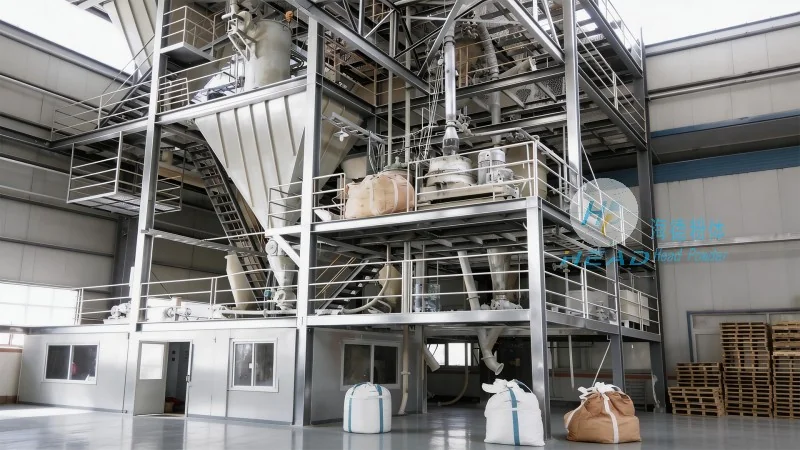
In conclusion, both negative pressure and positive pressure conveying systems have their own advantages and disadvantages when used for fine coal powder transportation. Negative pressure conveying is suitable for shorter distances and lower volumes, offering advantages in material handling and energy efficiency. Positive pressure conveying, on the other hand, is better suited for longer distances and higher volumes, providing higher capacity and reliability. The choice between the two depends on the specific requirements of the application, including distance, material properties, and operational constraints. By carefully evaluating these factors, industrial operators can select the most appropriate pneumatic conveying system to ensure efficient and safe material transport.
For more information on pneumatic conveying systems for fine coal powder, please contact Shandong HeadPowder Engineering Co., Ltd., a leading provider of advanced material handling solutions. With years of experience in the industry, HeadPowder offers customized solutions tailored to the unique needs of each client, ensuring optimal performance and reliability.