

Advantages and Disadvantages of Negative Pressure and Positive Pressure Conveying for Asbestos Powde
Asbestos powder is a material commonly used in industrial applications, and its transportation requires efficient and safe methods. Pneumatic conveying is a widely adopted technique for handling such powders, with two primary approaches: negative pressure (suction) and positive pressure (blowing) systems. This article provides a detailed comparison of the advantages and disadvantages of negative pressure versus positive pressure conveying in the context of asbestos powder transport, highlighting key considerations for industrial operators.
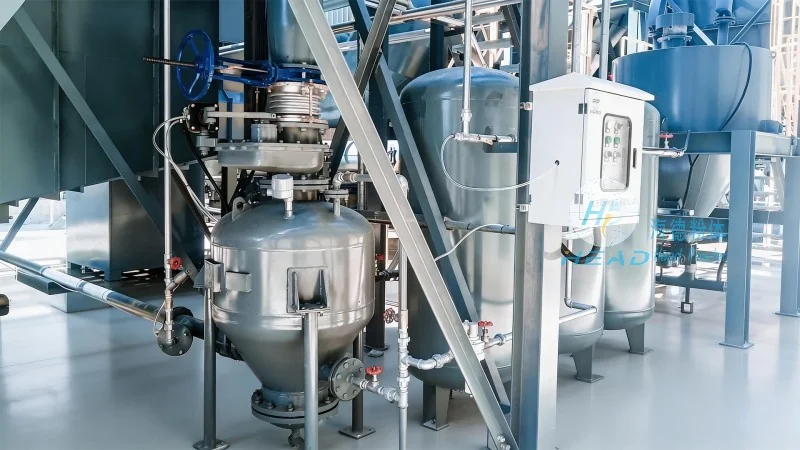
Introduction to Pneumatic Conveying Systems for Asbestos Powder
Pneumatic conveying involves the movement of particulate materials through a pipeline using air or gas. In the case of asbestos powder, which is known for its hazardous nature and potential health risks, the choice of conveying system is critical. The two main types—negative pressure (suction) and positive pressure (blowing)—differ fundamentally in how they generate the airflow and handle material transport. Understanding these differences is essential for selecting the most suitable system for a specific application, balancing factors such as material properties, system complexity, and operational costs.
Negative Pressure (Suction) Conveying: Advantages and Limitations
Negative pressure conveying, also known as suction conveying, operates by creating a vacuum at the receiving end of the pipeline. This vacuum draws the material from the source into the system, where it is then transported to the discharge point. The primary advantage of this method is its ability to minimize dust emissions at the source, as the material is drawn into the system rather than being expelled. This is particularly beneficial for asbestos powder, which poses significant health risks if released into the environment. Additionally, negative pressure systems often require less powerful equipment, as the vacuum created is sufficient to pull material through the pipeline. This can lead to lower energy consumption and reduced operational costs compared to positive pressure systems.
However, negative pressure conveying has notable limitations. The most significant drawback is its restricted range and capacity. The suction effect diminishes with distance, making it unsuitable for long-distance transport or large-scale material handling. This limitation is due to the pressure drop in the pipeline, which reduces the vacuum strength as the material travels. Furthermore, negative pressure systems are more susceptible to blockages and clogs, as the material is drawn into the system without the assistance of positive pressure. Blockages can lead to system downtime and increased maintenance requirements. Another limitation is the need for a sealed system, as any leaks can compromise the vacuum and reduce conveying efficiency. This requirement adds complexity to the design and installation process.
Positive Pressure (Blowing) Conveying: Advantages and Limitations
Positive pressure conveying, or blowing conveying, works by generating high-pressure air at the source and pushing the material through the pipeline. This method is particularly effective for long-distance and high-capacity transport, as the positive pressure maintains the material flow throughout the system. One of the key advantages of positive pressure systems is their ability to handle longer pipeline lengths and larger material volumes. The high-pressure air ensures that the material remains in suspension and moves efficiently, even over extended distances. This makes positive pressure conveying suitable for applications where the source and discharge points are far apart, such as in large-scale industrial plants.
Another advantage of positive pressure systems is their higher material handling capacity. The force exerted by the high-pressure air can transport larger quantities of asbestos powder, making it ideal for bulk material transport. Additionally, positive pressure systems are generally more reliable in terms of maintaining consistent material flow, as the pressure remains stable throughout the pipeline. This reduces the risk of clogs and blockages, as the material is continuously pushed forward. However, positive pressure conveying has significant drawbacks related to dust control and environmental impact. The high-pressure air expelled at the discharge point can cause dust to be released into the environment, posing health risks to workers and the surrounding community. This requires additional dust control measures, such as filtration systems or enclosure, which increase the system's complexity and cost. Furthermore, positive pressure systems require more powerful and robust equipment, including high-capacity blowers and stronger pipelines, leading to higher initial investment and operational costs.
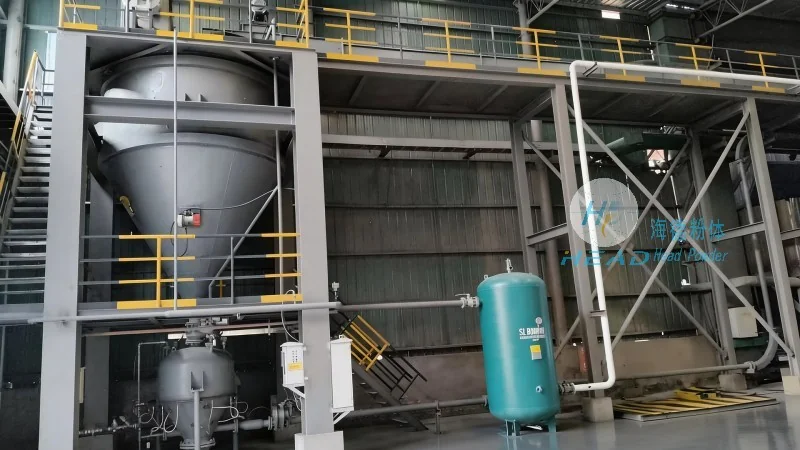
Comparison of Negative and Positive Pressure Conveying for Asbestos Powder
When comparing negative and positive pressure conveying for asbestos powder, several factors must be considered. The choice between the two systems depends on the specific application requirements, including the distance between the source and discharge points, the volume of material to be transported, and the environmental and safety regulations in place. Negative pressure systems are generally preferred for short-distance transport and applications where dust control is a top priority. They are also more cost-effective for smaller-scale operations due to lower equipment costs and energy consumption. In contrast, positive pressure systems are better suited for long-distance and high-capacity transport, where the benefits of efficient material handling outweigh the increased costs and environmental considerations.
From an operational perspective, negative pressure systems are simpler to install and maintain, as they require fewer components and less complex piping. The vacuum created by the system is sufficient to draw material into the pipeline, reducing the need for high-pressure equipment. However, the reliability of negative pressure systems is lower, as they are more prone to blockages and system failures. Positive pressure systems, while more complex and expensive, offer greater reliability and consistent performance, making them more suitable for continuous and large-scale operations.
Key Considerations for Selecting the Right Conveying System
For industrial operators handling asbestos powder, selecting the appropriate pneumatic conveying system is a critical decision that impacts safety, efficiency, and cost. The following factors should be evaluated when choosing between negative and positive pressure systems:
1. **Transport Distance**: Short distances (up to a few hundred meters) are better suited for negative pressure systems, while longer distances (over a kilometer) require positive pressure systems.
2. **Material Properties**: Asbestos powder is a fine, abrasive material that can cause wear and tear on equipment. Both systems need to be designed with appropriate materials to withstand the material's properties.
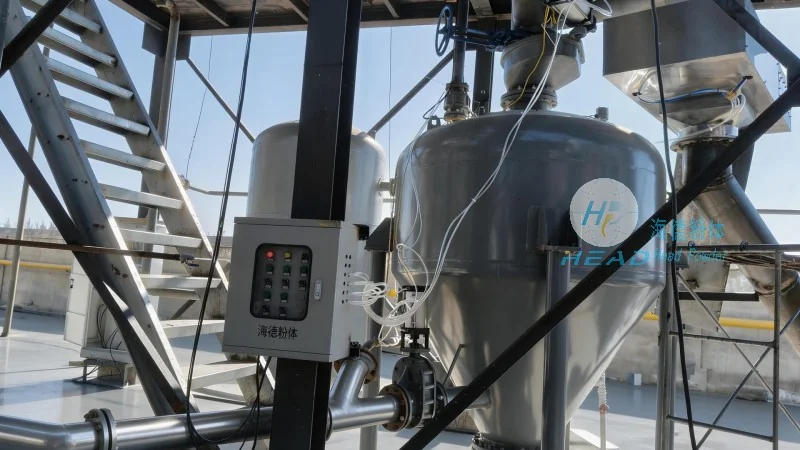
3. **Dust Control**: Negative pressure systems excel in minimizing dust emissions at the source, making them ideal for applications where environmental compliance is a priority. Positive pressure systems require additional dust control measures to mitigate the risk of dust release.
4. **System Complexity and Cost**: Negative pressure systems are generally less expensive and simpler to install, while positive pressure systems have higher initial costs and require more maintenance.
5. **Operational Safety**: Asbestos is a hazardous material, and both systems must be designed with safety in mind. Negative pressure systems reduce the risk of dust exposure at the source, while positive pressure systems need robust containment to prevent dust release.
Conclusion: Balancing Efficiency and Safety in Asbestos Powder Conveying
In conclusion, both negative pressure and positive pressure conveying systems have their unique advantages and limitations when used for asbestos powder transport. Negative pressure systems offer advantages in dust control and lower costs for short-distance applications, while positive pressure systems excel in long-distance and high-capacity transport. The choice between the two depends on the specific requirements of the application, including distance, material volume, and environmental regulations. Industrial operators must carefully evaluate these factors to select the most suitable system that balances efficiency, safety, and cost.
Shandong HeadPowder Engineering Co., Ltd. (headpowder), a leading provider of pneumatic conveying solutions, specializes in designing and manufacturing systems tailored to the needs of asbestos powder handling. With years of experience in the industry, headpowder offers customized solutions that address the unique challenges of asbestos powder transport, ensuring safe and efficient material handling while adhering to environmental and safety standards. The company's expertise in both negative and positive pressure systems allows it to provide comprehensive advice and support to clients, helping them make informed decisions about their conveying systems.