

Advantages and Disadvantages Comparison of Negative Pressure and Positive Pressure Conveying for Sil
When it comes to the efficient and reliable transportation of silica fume powder, the choice between negative pressure conveying and positive pressure conveying systems plays a crucial role in determining operational efficiency, cost-effectiveness, and overall system performance. Silica fume, a byproduct of the silicon and steel industry, is widely used in concrete production due to its high pozzolanic activity. However, its fine particle size and dusty nature make conventional bulk material handling challenging. This article provides a detailed comparison of the advantages and disadvantages of negative pressure and positive pressure conveying methods for silica fume powder, helping stakeholders make informed decisions based on their specific operational needs.
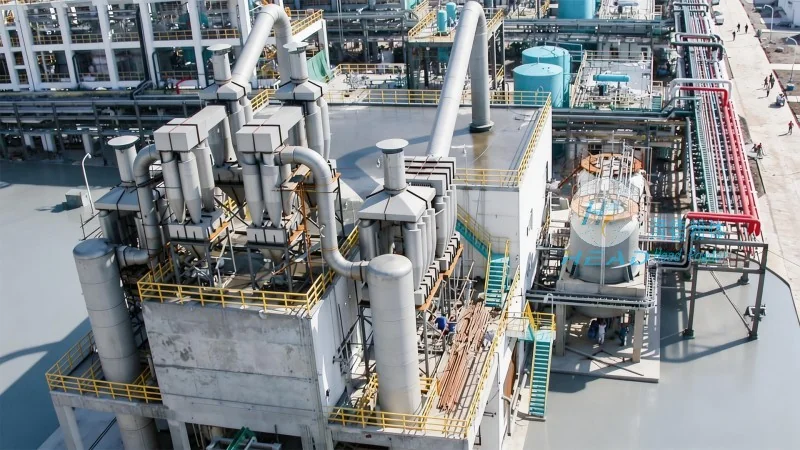
Understanding Silica Fume and Conveying Challenges
Silica fume, also known as microsilica, is a fine powder with a particle size typically ranging from 0.1 to 0.2 microns. Its high surface area and reactivity require specialized handling to prevent dust generation and ensure consistent quality. Conveying systems must be designed to handle these characteristics without compromising safety or material integrity. The two primary methods for pneumatic conveying—negative pressure (or vacuum) and positive pressure—offer distinct approaches to managing these challenges.
Negative Pressure (Vacuum) Conveying Systems
Negative pressure conveying systems operate by creating a vacuum at the material inlet, drawing the powder into the system and transporting it to the discharge point. This method is often preferred for applications where the material is to be conveyed from multiple sources or over long distances, as it can integrate multiple suction points. The primary advantage of negative pressure systems is their ability to handle fine powders with high dust control efficiency. By pulling material into the system, they minimize the risk of dust leakage and environmental contamination. Additionally, negative pressure systems are generally more energy-efficient for short to medium distances, as the vacuum pump only needs to overcome the resistance of the conveying line and the material's particle size.
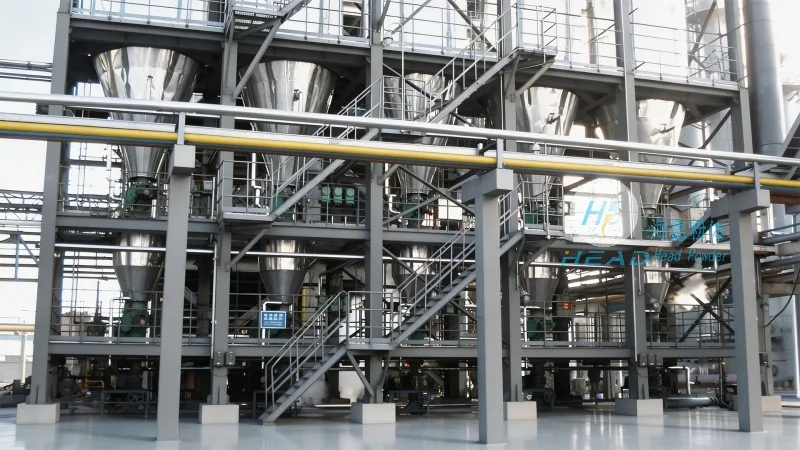
However, negative pressure conveying has several notable disadvantages. The most significant drawback is the risk of system backflow or "blowback," where the vacuum can be compromised by pressure fluctuations or blockages in the line. This can lead to material spillage and operational disruptions. Moreover, negative pressure systems are less effective for conveying materials with high moisture content or those that tend to agglomerate, as the vacuum may not provide sufficient force to maintain particle separation. Another limitation is the need for a dedicated vacuum pump, which can be costly to install and maintain, especially for large-scale operations. The system also requires careful sealing at all joints and connections to prevent air leaks, which can reduce efficiency and increase energy consumption.
Positive Pressure (Pressure) Conveying Systems
Positive pressure conveying systems, on the other hand, operate by pressurizing the conveying line with air or gas, pushing the material from the inlet to the discharge point. This method is commonly used for short to medium distances and for materials that are less prone to dust generation. The primary advantage of positive pressure systems is their ability to handle a wider range of materials, including those with higher moisture content or agglomerates. By applying pressure, the system can maintain particle separation and prevent clogging, making it suitable for abrasive or sticky powders like silica fume. Additionally, positive pressure systems are generally easier to install and maintain, as they do not require a vacuum pump and can use standard air compressors.
Despite these benefits, positive pressure conveying has its own set of disadvantages. The most critical issue is the higher energy consumption compared to negative pressure systems, as the compressor must generate sufficient pressure to overcome the resistance of the line and the material. This can lead to increased operational costs, especially for large-scale applications. Another drawback is the risk of dust leakage and environmental contamination, as the pressurized system can release particles if seals are compromised. Moreover, positive pressure systems are less effective for long-distance conveying, as the pressure drop along the line can reduce the material's velocity and cause clogging. The system also requires regular maintenance of the compressor and air filters to ensure consistent performance and prevent equipment failure.
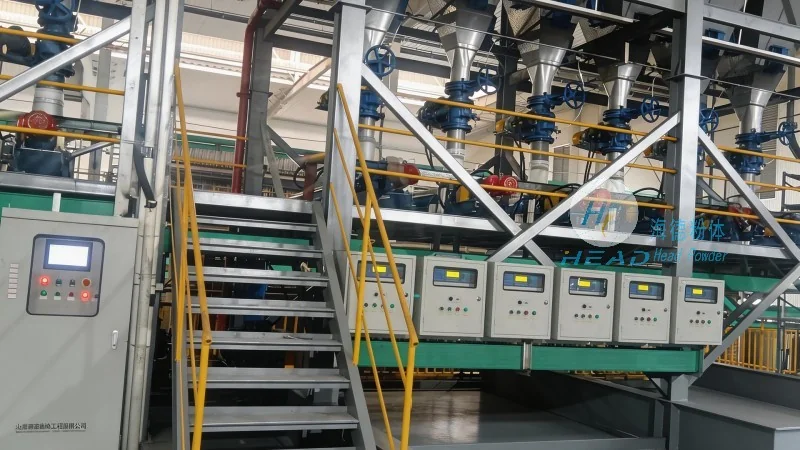
Key Considerations for Choosing Between Conveying Systems
When selecting between negative pressure and positive pressure conveying for silica fume powder, several factors must be considered. The first is the distance and layout of the conveying system. For short distances and a single inlet, positive pressure systems may be more suitable due to their lower energy consumption and easier installation. However, for long distances or multiple suction points, negative pressure systems offer better efficiency and dust control. The second factor is the material characteristics, such as particle size, moisture content, and tendency to agglomerate. Fine powders with high dust potential are better suited for negative pressure systems, while materials with higher moisture or agglomerates may benefit from positive pressure. The third factor is the operational environment and safety requirements. Negative pressure systems are preferred in environments where dust control is critical, as they minimize the risk of airborne particles. Positive pressure systems, while less energy-efficient, may be more practical for applications where space is limited or where existing infrastructure supports air compression.
HeadPowder's Expertise in Silica Fume Conveying Solutions
Shandong HeadPowder Engineering Co., Ltd., a leading provider of pneumatic conveying solutions, specializes in designing and manufacturing customized systems for silica fume powder handling. With years of experience in the industry, HeadPowder understands the unique challenges associated with silica fume and offers tailored solutions that address the specific needs of each project. The company's expertise lies in selecting the appropriate conveying method—whether negative or positive pressure—based on the client's operational requirements, material characteristics, and budget constraints. HeadPowder's systems are designed to maximize efficiency, minimize dust generation, and ensure compliance with environmental regulations. By leveraging advanced technology and engineering expertise, HeadPowder provides reliable and cost-effective solutions that enhance the overall performance of silica fume handling operations.