

Advantages and Disadvantages of Negative Pressure and Positive Pressure Pneumatic Conveying for Copp
Pneumatic conveying is a critical technology in the handling and transportation of copper oxide, a material widely used in various industrial applications such as catalysis, pigments, and battery production. The choice between negative pressure (suction) and positive pressure (blowing) systems significantly impacts operational efficiency, material quality, and overall system reliability. This article provides a detailed comparison of the advantages and disadvantages of negative pressure and positive pressure pneumatic conveying for copper oxide, helping industrial operators make informed decisions based on their specific process requirements.
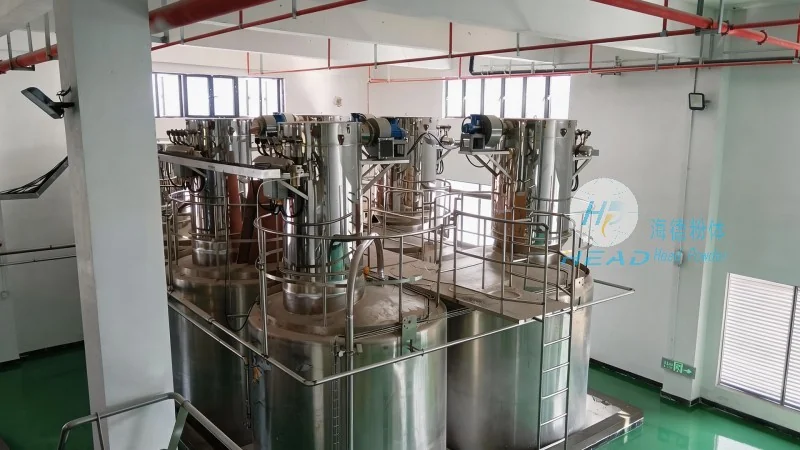
Understanding Negative Pressure (Suction) Pneumatic Conveying
Negative pressure systems operate by creating a vacuum at the material inlet, drawing the copper oxide particles into the conveying line using a vacuum pump. This method is particularly suitable for applications where the material is to be transported from a lower elevation to a higher one, or when the material is sensitive to high air velocities that could cause degradation. The primary advantage of negative pressure systems is their ability to handle fine powders and dust without causing excessive wear on the equipment. Additionally, they are generally less expensive to install and maintain compared to positive pressure systems, as they do not require high-pressure air compressors.
However, negative pressure systems have several limitations. The most significant drawback is their lower conveying capacity, which restricts the volume of copper oxide that can be transported in a given time. This can lead to longer processing times and increased downtime for material handling operations. Another challenge is the risk of air leakage, which can reduce the system's efficiency and potentially lead to dust emissions if not properly sealed. Furthermore, negative pressure systems are more susceptible to blockages, as the vacuum can cause particles to adhere to the pipe walls, especially when dealing with cohesive or moist copper oxide.
Exploring Positive Pressure (Blowing) Pneumatic Conveying
Positive pressure systems, on the other hand, use compressed air to push the copper oxide particles through the conveying line. This method is ideal for transporting materials over longer distances or from higher to lower elevations, as the high air pressure ensures consistent flow and reduces the risk of blockages. The main advantage of positive pressure systems is their higher conveying capacity and ability to handle larger quantities of copper oxide in a shorter time. This makes them suitable for high-throughput industrial processes where efficiency is paramount. Additionally, positive pressure systems are less prone to air leakage, as the compressed air is contained within the system, reducing the risk of dust contamination in the surrounding environment.
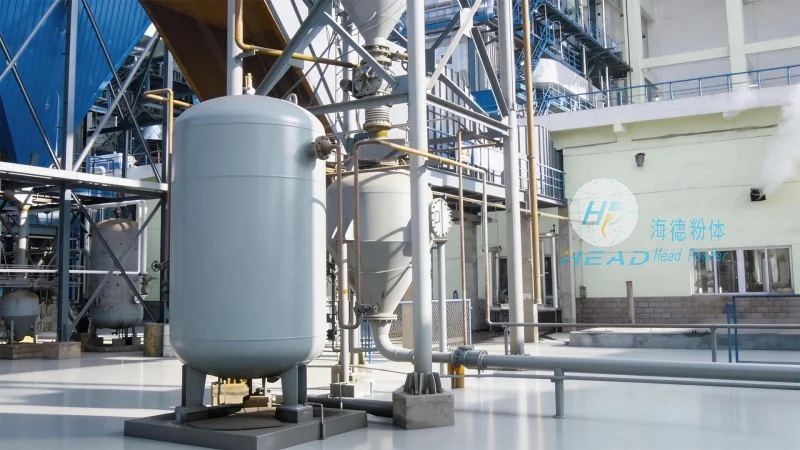
Despite these benefits, positive pressure systems come with their own set of disadvantages. The most notable drawback is the higher capital and operational costs associated with the air compressor and associated equipment. The need for high-pressure air also increases energy consumption, which can impact the overall cost-effectiveness of the system. Furthermore, positive pressure systems can cause more wear and tear on the conveying components, such as the pipe and valves, due to the higher air velocities and particle impact. This may require more frequent maintenance and replacement of parts, increasing long-term operational expenses. Another consideration is the potential for material degradation if the air temperature is too high, as the high-pressure air can heat up during compression, affecting the quality of the copper oxide.
Key Factors Influencing the Choice Between Negative and Positive Pressure Systems
The decision between negative and positive pressure pneumatic conveying for copper oxide depends on several key factors, including the material characteristics, conveying distance, elevation changes, and operational requirements. For example, if the copper oxide is fine and cohesive, a negative pressure system may be preferred to minimize particle degradation. Conversely, if the material needs to be transported over long distances or from a higher to a lower elevation, a positive pressure system is more suitable due to its higher capacity and resistance to blockages.
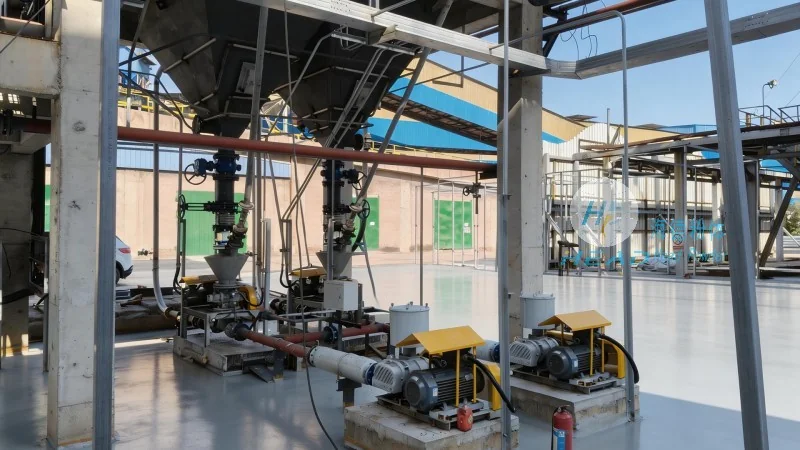
Another critical factor is the system's integration with existing infrastructure. If the facility already has a vacuum system or a compressed air network, the choice of system may be influenced by the availability of these resources. Additionally, the cost of installation and maintenance plays a significant role, as negative pressure systems are generally more economical for smaller-scale operations, while positive pressure systems are more cost-effective for large-scale industrial applications.
Conclusion and Recommendations
Both negative pressure and positive pressure pneumatic conveying systems have their unique advantages and disadvantages when applied to copper oxide handling. Negative pressure systems are ideal for fine, sensitive materials and shorter conveying distances, offering lower initial costs and reduced wear on equipment. Positive pressure systems, however, excel in high-capacity, long-distance applications, providing consistent flow and better resistance to blockages. Industrial operators should conduct a thorough analysis of their specific process requirements, including material properties, operational scale, and budget constraints, to determine the most suitable system.
For companies seeking reliable and efficient solutions for copper oxide pneumatic conveying, Shandong HeadPowder Engineering Co., Ltd. (headpowder) offers expert consultation and customized system designs tailored to individual needs. With years of experience in the field, headpowder provides comprehensive solutions that optimize material handling processes while ensuring compliance with industry standards and safety regulations. Whether you are considering a negative pressure or positive pressure system, headpowder's team of engineers can help you make the right choice to enhance productivity and reduce operational costs.