

Advantages and Disadvantages of Negative Pressure and Positive Pressure Pneumatic Conveying for Pota
HeadPowder, a leading provider in the field of material handling solutions, specializes in advanced pneumatic conveying systems tailored for the transportation of bulk materials such as potassium chloride. This article provides a comprehensive comparison of negative pressure and positive pressure pneumatic conveying methods, highlighting their respective advantages and disadvantages to help industry professionals make informed decisions when selecting the most suitable conveying system for their operations.
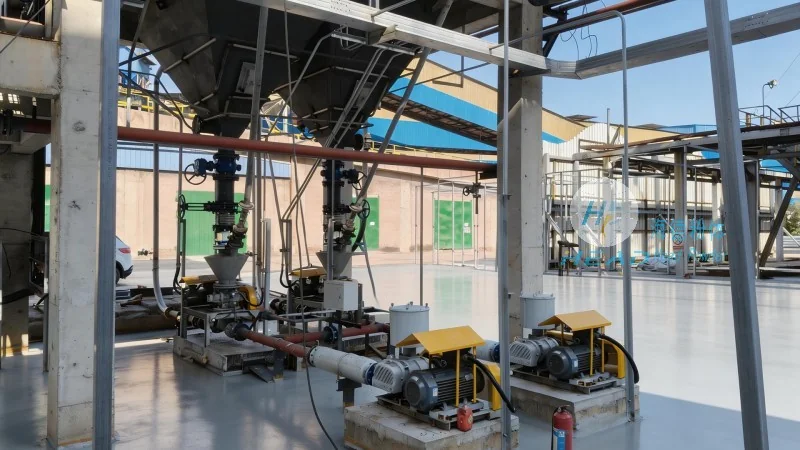
Potassium Chloride Pneumatic Conveying: An Overview
Potassium chloride (KCl) is a widely used industrial chemical and agricultural fertilizer, often requiring efficient and reliable transportation methods to move it from storage to processing facilities or for distribution. Pneumatic conveying offers a non-contact, flexible, and often cost-effective solution for handling bulk solids like KCl. The two primary methods used are negative pressure (or vacuum) conveying and positive pressure conveying. Each method has distinct characteristics that influence its suitability for different applications, operational conditions, and material properties.
Company Profile: Shandong HeadPowder Engineering Co., Ltd.
HeadPowder, based in Shandong, China, is a reputable engineering company dedicated to designing, manufacturing, and installing advanced material handling systems. With years of experience in the industry, HeadPowder provides customized solutions for various bulk material handling challenges, including those related to potassium chloride transportation. The company's expertise lies in optimizing conveying systems to meet specific operational requirements, ensuring efficiency, safety, and durability.
Negative Pressure (Vacuum) Pneumatic Conveying for Potassium Chloride
Negative pressure conveying, also known as vacuum conveying, operates by creating a low-pressure zone at the receiving end, which draws material from the source into the conveying line using a vacuum pump. This method is particularly effective for transporting materials from multiple points to a single collection point, as it can handle materials from different locations and direct them into a central storage or processing unit. One of the key advantages of negative pressure conveying is its ability to handle fine powders and dust without generating excessive pressure that could cause material degradation or equipment wear. The system is also relatively gentle on the material, minimizing the risk of particle breakage or agglomeration, which is crucial for maintaining the quality of potassium chloride, especially when it is used as a fertilizer or in chemical processes.
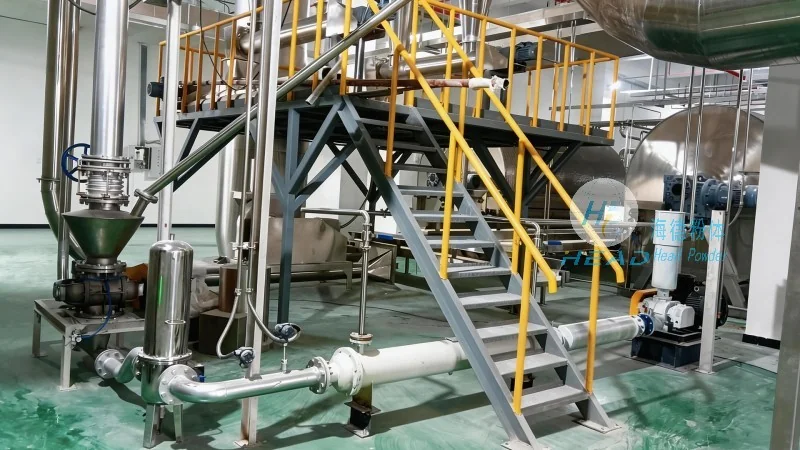
Another advantage is the lower initial cost and simpler installation compared to positive pressure systems. Negative pressure systems typically require fewer components, such as a single vacuum pump and a receiving hopper, reducing the overall capital expenditure. Additionally, the operation of vacuum systems is generally quieter, making them suitable for applications where noise control is a concern. However, negative pressure conveying has several limitations that must be considered. The main drawback is its lower conveying capacity compared to positive pressure systems, as the vacuum pump's power limits the maximum flow rate. This can be a significant issue for high-volume KCl transportation, where large quantities need to be moved quickly. Furthermore, negative pressure systems are more susceptible to blockages, as the material is drawn into the line under suction, which can lead to clogs if the material is sticky or has high moisture content. The system also requires a sealed receiving hopper to maintain the vacuum, which adds to the complexity and maintenance requirements.
Positive Pressure Pneumatic Conveying for Potassium Chloride
Positive pressure conveying, on the other hand, operates by blowing material through the conveying line using a positive pressure blower or compressor. The material is pushed from the source to the destination, typically from a single point to multiple points, making it ideal for applications where the material needs to be distributed to several locations. The primary advantage of positive pressure systems is their higher conveying capacity and ability to handle larger volumes of potassium chloride efficiently. This makes them suitable for high-throughput operations, such as in large-scale fertilizer production or bulk material handling facilities. Positive pressure systems also offer better control over the material flow, as the pressure can be adjusted to manage the velocity and direction of the material within the line, reducing the risk of blockages and ensuring consistent delivery.
Another key benefit is the ability to handle a wider range of material characteristics, including coarse particles, sticky materials, or those with high moisture content. The positive pressure helps to break up agglomerates and prevent clogging, which is particularly important for potassium chloride that may form lumps during storage or transportation. Positive pressure conveying also allows for longer conveying distances compared to negative pressure systems, as the pressure can be maintained along the entire length of the line. However, positive pressure systems come with higher initial costs and more complex installations. They require robust components, such as high-pressure blowers and larger conveying lines, which increase the capital investment. The operation of positive pressure systems is also more demanding in terms of maintenance, as the higher pressures and velocities can cause more wear and tear on the equipment, leading to higher operational costs over time. Additionally, positive pressure systems generate more noise and can be less flexible in handling multiple source points, as the material is pushed from a single source.
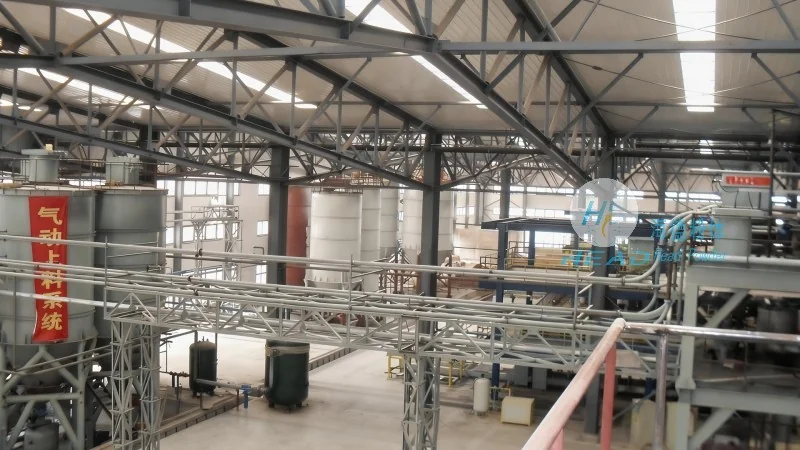
Comparative Analysis: Negative vs. Positive Pressure Conveying for Potassium Chloride
When comparing negative and positive pressure pneumatic conveying for potassium chloride, several factors must be considered to determine the most suitable method. The choice between the two depends on the specific application requirements, such as the volume of material to be transported, the distance between the source and destination, the material properties (e.g., particle size, moisture content, stickiness), and the operational constraints (e.g., noise levels, cost, maintenance requirements). For low to medium volume applications where material is collected from multiple points and transported to a central location, negative pressure conveying may be more appropriate due to its lower cost and gentle handling of fine powders. However, for high-volume, long-distance transportation or when distributing material to multiple destinations, positive pressure conveying offers superior capacity and control.
The material properties of potassium chloride also play a critical role in the selection process. Fine, dry KCl is better suited for negative pressure systems to avoid clogging and maintain quality, while coarse or sticky KCl may benefit from the higher pressure and flow control of positive pressure systems. Operational factors, such as the need for noise reduction or space constraints, can also influence the choice. Negative pressure systems are generally quieter and require less space for installation, making them ideal for indoor or noise-sensitive environments. Positive pressure systems, while more expensive, provide better flexibility for handling challenging materials and can be more suitable for outdoor or large-scale operations.
Conclusion and Recommendations
Both negative pressure and positive pressure pneumatic conveying methods have their unique advantages and disadvantages when applied to the transportation of potassium chloride. The optimal choice depends on a thorough evaluation of the operational needs, material characteristics, and budget constraints. HeadPowder, with its expertise in material handling solutions, can provide customized pneumatic conveying systems that address the specific challenges of potassium chloride transportation. By understanding the strengths and limitations of each method, industry professionals can select the most efficient and cost-effective conveying system to ensure smooth operations and maintain the quality of their potassium chloride products.