

Advantages and Disadvantages of Negative Pressure and Positive Pressure Pneumatic Conveying for Sodi
When it comes to the pneumatic conveying of sodium chlorate, the choice between negative pressure and positive pressure systems is a critical decision for industrial operations. This article provides a detailed comparison of the advantages and disadvantages of each approach, helping businesses select the most suitable method for their specific needs. The information is presented by Shandong HeadPowder Engineering Co., Ltd., a leading provider in the field, based in China.
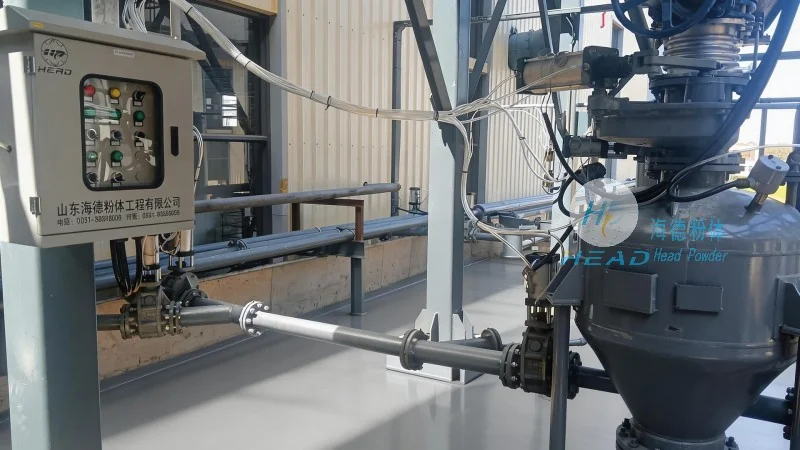
Shandong HeadPowder Engineering Co., Ltd. specializes in the design, manufacturing, and implementation of advanced pneumatic conveying systems tailored for sodium chlorate and other chemical powders. With a focus on efficiency and safety, the company has established itself as a trusted partner in the industry, serving clients with customized solutions that meet stringent operational requirements. The company's headquarters is located in Shandong, China, where it leverages local expertise and resources to deliver high-quality engineering services.
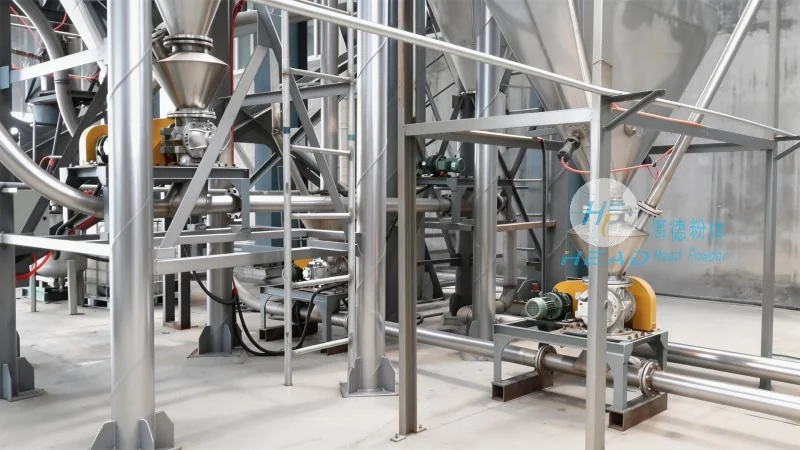
Negative Pressure Pneumatic Conveying: Advantages and Challenges
Negative pressure systems operate by creating a vacuum at the receiving end, drawing material from the source into the conveying line. This method offers several benefits, including the ability to handle materials with high moisture content or those that are prone to dust generation. The vacuum environment helps to minimize dust emissions, making it suitable for applications where air quality is a concern. Additionally, negative pressure systems can be more energy-efficient in certain scenarios, as they do not require high-pressure air to push the material through the line. However, these systems also present challenges, such as the need for careful maintenance to prevent leaks, which can compromise the vacuum and reduce efficiency. Another drawback is the potential for material buildup in the receiving hopper, which may require additional cleaning mechanisms to maintain consistent performance.
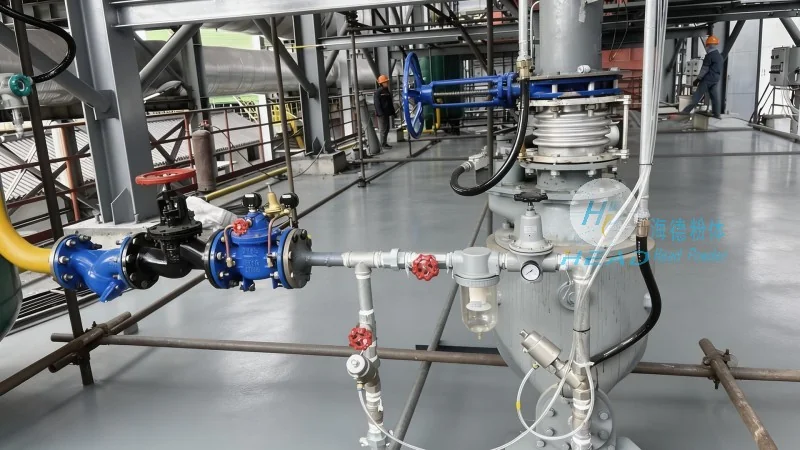
Positive Pressure Pneumatic Conveying: Benefits and Limitations
Positive pressure systems, on the other hand, use compressed air to push material through the conveying line. This approach is often preferred for materials that are sensitive to moisture or that require a more controlled environment. The positive pressure ensures that the material is not exposed to external contaminants, which is crucial for sodium chlorate, a chemical that can be reactive under certain conditions. Additionally, positive pressure systems can handle longer distances and more complex layouts, as the compressed air provides consistent pressure throughout the line. However, these systems are generally more energy-intensive, as they require a continuous supply of high-pressure air. This can increase operational costs and may necessitate additional equipment, such as air compressors and filters, to maintain system performance. Furthermore, the high pressure can lead to increased wear and tear on components, potentially reducing the lifespan of the equipment.
Comparative Analysis and Recommendations
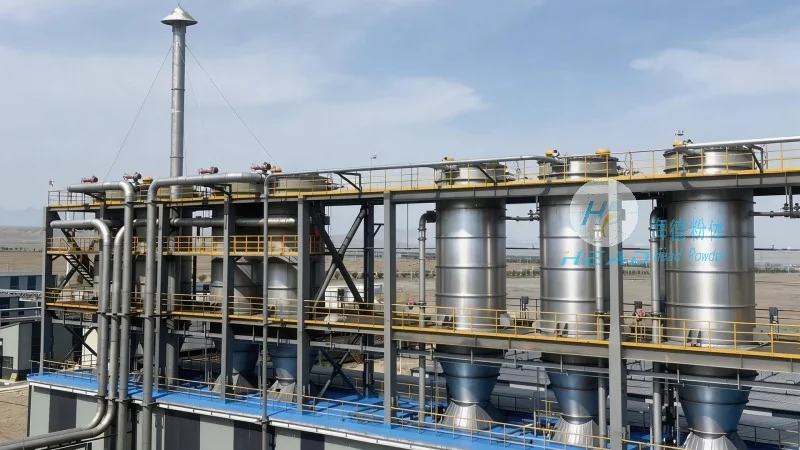
When comparing negative and positive pressure pneumatic conveying for sodium chlorate, several factors should be considered. The choice depends on the specific characteristics of the material, the distance of the conveying line, and the operational environment. For applications where dust control and energy efficiency are prioritized, negative pressure systems may be more suitable. Conversely, if the material is sensitive to moisture or requires a controlled environment, positive pressure systems offer better protection. It is also important to consider the overall cost of ownership, including maintenance, energy consumption, and equipment lifespan. Shandong HeadPowder Engineering Co., Ltd. recommends conducting a thorough analysis of these factors to determine the optimal system for each individual project. The company provides expert consultation and customized solutions to help clients make informed decisions, ensuring that their pneumatic conveying systems operate efficiently and safely.