

Positive Pressure and Negative Pressure Conveying of Coal and Sand: A Comparative Analysis of Two Pn
When it comes to transporting bulk materials like coal and sand, selecting the right pneumatic conveying system is crucial for efficiency, cost-effectiveness, and operational reliability. Two primary methods dominate the industry: positive pressure conveying and negative pressure conveying. Each approach has distinct characteristics, advantages, and applications that make them suitable for different scenarios. This analysis delves into the differences between these two methods, focusing on their operational principles, performance, and suitability for coal and sand transport.
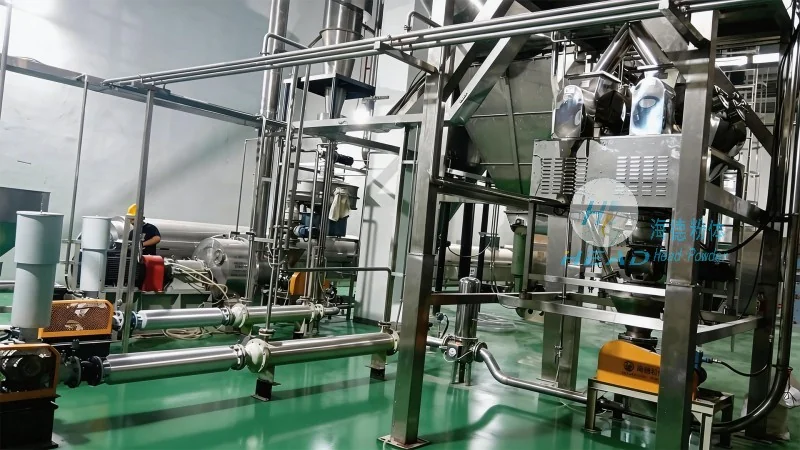
Understanding Pneumatic Conveying Systems
Pneumatic conveying systems utilize air or gas to transport solid materials through a pipeline. The choice between positive and negative pressure systems depends on factors such as material properties, distance, volume, and the need for dust control. Both methods are widely used in industries like mining, construction, and manufacturing, where bulk material handling is essential.
Positive Pressure Conveying: The Forward Air Flow Approach
Positive pressure conveying, also known as pressure or forward flow conveying, operates by blowing air or gas into the conveying line under pressure. The air moves the material forward through the pipeline, creating a positive pressure environment. This method is particularly effective for transporting materials over longer distances and handling a wide range of particle sizes and densities.
One of the key advantages of positive pressure systems is their ability to handle abrasive materials like coal and sand without excessive wear on the equipment. The high-pressure air ensures that the material is propelled efficiently, reducing the risk of blockages and ensuring consistent flow. Additionally, positive pressure systems are often more energy-efficient for long-distance transport, as they can maintain a steady pressure throughout the pipeline.
However, positive pressure conveying may require more robust equipment and higher maintenance due to the higher pressures involved. The system also needs to be designed to handle potential dust emissions, as the high-pressure air can generate significant dust if not properly contained. For applications involving coal and sand, positive pressure systems are commonly used in coal handling plants, where large volumes of material need to be transported over considerable distances.
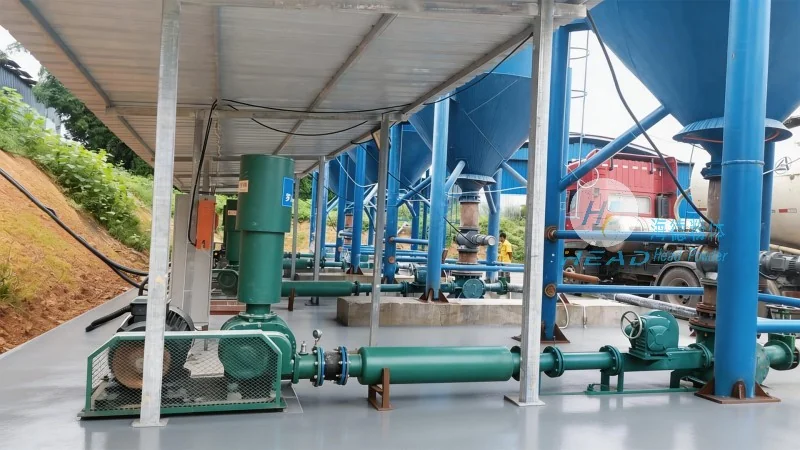
Negative Pressure Conveying: The Suction Approach
Negative pressure conveying, or vacuum conveying, works by creating a vacuum in the conveying line, which draws the material into the system. The air and material are then transported to the destination, where the material is discharged and the air is filtered or recycled. This method is ideal for short to medium distances and for handling materials that are sensitive to pressure or require gentle handling.
A major benefit of negative pressure systems is their ability to handle fine or dusty materials without generating excessive dust during transport. The vacuum environment helps to contain particles, reducing the risk of contamination and improving safety. Negative pressure conveying is often preferred for applications where the material is to be collected from multiple points or where the destination is at a lower elevation than the source.
Despite its advantages, negative pressure conveying has limitations when dealing with heavy or abrasive materials like coal and sand. The vacuum system may struggle to maintain consistent flow over longer distances, and the equipment can be more susceptible to clogging due to the lower air velocity. Additionally, the system requires careful design to prevent backflow and ensure efficient material transport, especially for materials with high moisture content or sticky properties.
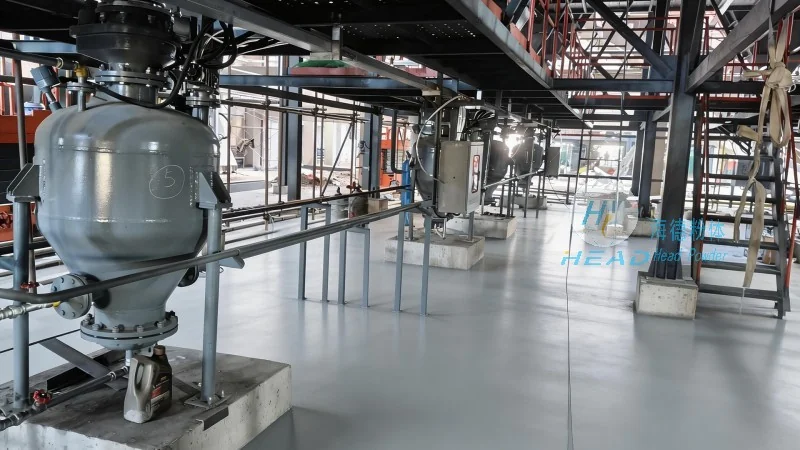
Comparative Analysis: Key Factors to Consider
When choosing between positive and negative pressure conveying for coal and sand, several factors must be evaluated. The primary considerations include the distance of transport, the volume of material, the particle size and density, and the need for dust control. Positive pressure systems are generally more suitable for long-distance transport and handling large volumes of abrasive materials, while negative pressure systems excel in short-distance applications and for handling fine or sensitive materials.
Cost is another critical factor. Positive pressure systems typically require higher initial investment due to the need for robust compressors and pressure vessels, but they may offer lower operational costs over time for long-distance transport. Negative pressure systems have lower initial costs but may incur higher operational expenses due to the need for vacuum pumps and filtration systems.
Operational reliability and maintenance are also important considerations. Positive pressure systems are generally more reliable for continuous operation, as they can maintain consistent pressure and flow. However, they require regular maintenance of the compressor and pipeline components to prevent wear and tear. Negative pressure systems are simpler in design but may require more frequent maintenance of the vacuum pump and filtration system to ensure efficient operation.
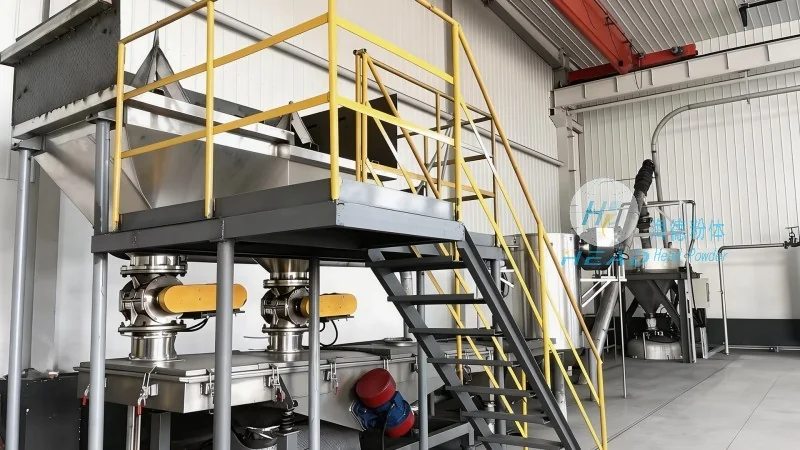
Application Examples in Coal and Sand Handling
Both positive and negative pressure conveying systems are widely used in the coal and sand industry. Positive pressure systems are commonly employed in coal mines and power plants, where large volumes of coal need to be transported from storage to processing facilities. The high-pressure air ensures that the coal is moved efficiently over long distances, reducing the risk of blockages and improving overall productivity.
Negative pressure systems are often used in sand processing plants, where fine sand is collected from various points and transported to a central processing unit. The vacuum environment helps to contain dust and prevent contamination, making it ideal for applications where cleanliness is a priority. Additionally, negative pressure conveying is used in construction sites for transporting sand from stockpiles to building sites, where the material needs to be handled gently to avoid degradation.
Conclusion: Selecting the Right Conveying Method
Choosing between positive and negative pressure conveying for coal and sand depends on the specific requirements of the application. Positive pressure systems offer advantages in long-distance transport, handling of abrasive materials, and energy efficiency, while negative pressure systems excel in short-distance applications, handling fine materials, and dust control. By evaluating factors such as distance, material properties, and operational needs, industries can select the most appropriate pneumatic conveying method to optimize their bulk material handling processes.
Shandong HeadPowder Engineering Co., Ltd., a leading provider of pneumatic conveying solutions, specializes in designing and manufacturing customized systems tailored to the unique needs of coal and sand handling applications. With years of experience in the industry, HeadPowder offers advanced solutions that enhance efficiency, reduce costs, and improve operational reliability. Whether you require a positive pressure or negative pressure system, HeadPowder's expertise ensures that your material handling needs are met with precision and professionalism.