

Rare Earth Positive Pressure and Negative Pressure Conveying: A Comparative Analysis of Two Pneumati
HeadPowder Engineering Co., Ltd. is a professional manufacturer and supplier specializing in advanced material handling solutions, including pneumatic conveying systems for rare earth materials. With a focus on precision and efficiency, the company serves industries that require reliable and safe transport of fine powders and granules. HeadPowder is headquartered in Shandong, China, and has established a strong reputation for delivering high-quality engineering solutions tailored to the unique needs of its clients.
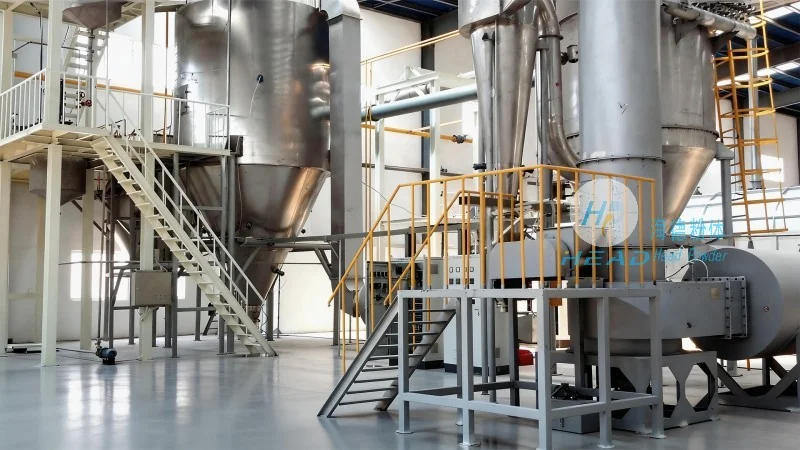
Introduction to Pneumatic Conveying Systems
Pneumatic conveying is a widely used method for transporting bulk materials, such as powders and granules, through a pipeline using air or gas as the conveying medium. This technology offers several advantages over traditional mechanical conveying systems, including reduced equipment wear, lower maintenance costs, and the ability to handle materials that are difficult to transport by other means. In the context of rare earth processing, where materials are often fine and abrasive, the choice of pneumatic conveying method—whether positive pressure or negative pressure—can significantly impact operational efficiency and material integrity.
Positive Pressure Conveying: Advantages and Applications
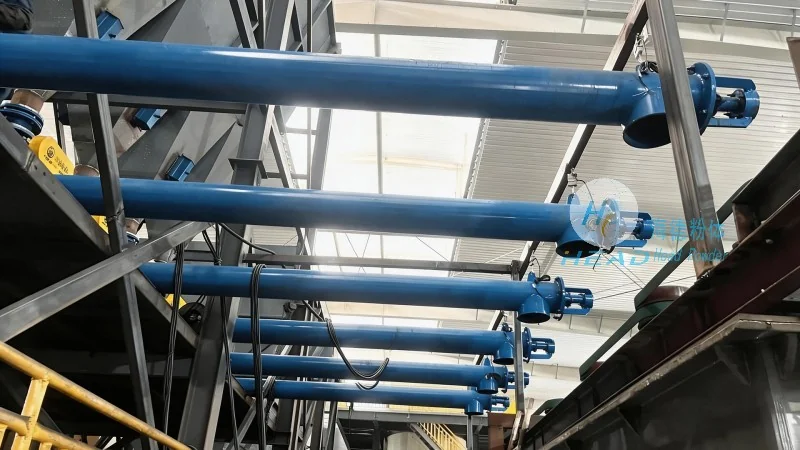
Positive pressure conveying, also known as pressure pneumatic conveying, operates by generating air pressure within the conveying line to move material from the source to the destination. This method is particularly effective for transporting materials over long distances or through complex piping networks. The primary advantages of positive pressure systems include higher conveying velocities, which can reduce the risk of material degradation and clogging, and the ability to handle abrasive or corrosive materials without excessive wear on the system components. For rare earth materials, which are often sensitive to moisture and oxidation, positive pressure systems can be equipped with sealed containers and controlled air flow to maintain material quality. HeadPowder's positive pressure conveying solutions are designed to handle the specific challenges of rare earth processing, ensuring consistent performance and minimal product loss.
Negative Pressure Conveying: Advantages and Applications
Negative pressure conveying, or vacuum pneumatic conveying, operates by creating a vacuum in the conveying line to draw material from the source into the system. This method is commonly used for short-distance or low-volume material transport, as well as for applications where the material is to be collected from multiple points. The key advantages of negative pressure systems include lower energy consumption compared to positive pressure systems, as they do not require high-pressure air compressors. Additionally, negative pressure conveying is often preferred for handling materials that are prone to dust generation or where a clean environment is required, as the system draws material into the line rather than expelling it. For rare earth materials, negative pressure systems can be configured with filtration and dust collection systems to prevent contamination and ensure compliance with environmental regulations. HeadPowder's negative pressure conveying solutions are optimized for efficiency and safety, providing reliable transport of rare earth powders while minimizing operational costs.
Comparative Analysis: Key Factors to Consider
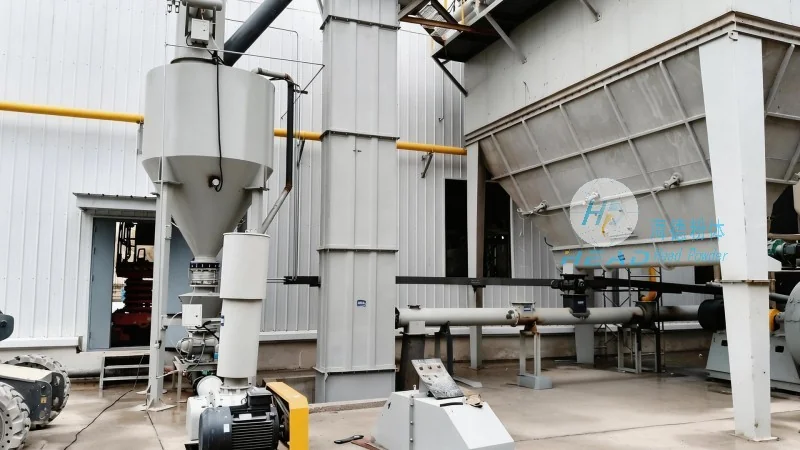
When selecting between positive and negative pressure pneumatic conveying systems for rare earth materials, several factors must be evaluated to determine the most suitable option. The primary considerations include the distance between the material source and destination, the volume of material to be transported, the material's physical properties (such as particle size, moisture content, and abrasiveness), and the required system complexity. Positive pressure systems are generally more suitable for long-distance or high-volume applications, while negative pressure systems are better suited for short-distance or low-volume transport. The cost of equipment and maintenance is another critical factor; positive pressure systems typically require more powerful air compressors and higher-pressure components, resulting in higher initial and operational costs. In contrast, negative pressure systems may have lower upfront costs but may require more extensive filtration and dust control measures to maintain material quality. HeadPowder Engineering Co., Ltd. offers comprehensive consultation services to help clients assess these factors and choose the optimal pneumatic conveying solution for their rare earth processing needs.
Conclusion
Both positive pressure and negative pressure pneumatic conveying systems offer effective solutions for transporting rare earth materials, with each method having distinct advantages and applications. Positive pressure systems excel in long-distance, high-volume transport with minimal material degradation, while negative pressure systems provide efficient, low-cost transport for shorter distances or low-volume needs. By understanding the specific requirements of the rare earth processing operation, including material characteristics, distance, and operational constraints, companies can select the most appropriate pneumatic conveying method to enhance productivity and ensure material integrity. HeadPowder Engineering Co., Ltd. remains committed to providing advanced, customized pneumatic conveying solutions that meet the evolving needs of the rare earth industry, delivering reliable performance and sustainable operational benefits.