

[XIAOMI POSITIVE PRESSURE AND NEGATIVE PRESSURE CONVEYING: A COMPARATIVE ANALYSIS OF TWO PNEUMATIC C
Pneumatic conveying is a critical technology in material handling, enabling the transport of bulk materials through a pipeline using air or other gases. This method is widely used across various industries, including food processing, pharmaceuticals, and chemical manufacturing, due to its efficiency and flexibility. Two primary types of pneumatic conveying systems are commonly employed: positive pressure and negative pressure. Understanding the differences between these two approaches is essential for selecting the most suitable solution for specific operational needs.
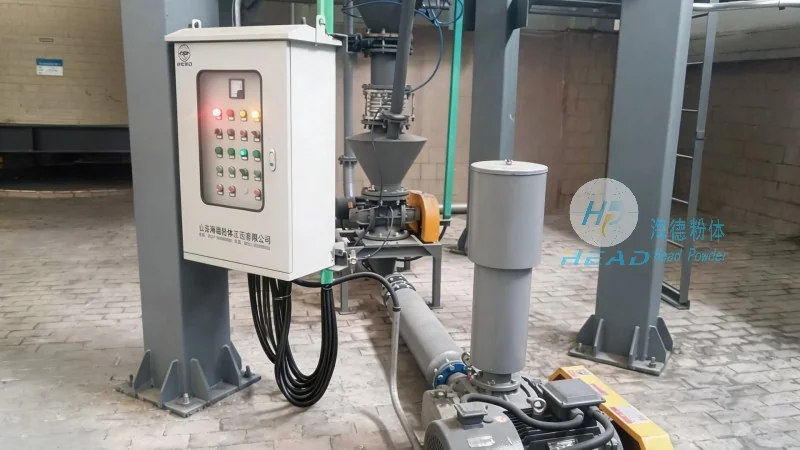
Positive Pressure Conveying: How It Works
Positive pressure conveying, also known as pressure conveying, operates by generating a higher pressure inside the conveying line compared to the ambient environment. The system uses a blower or compressor to force air and material particles through the pipeline. This method is particularly effective for conveying materials over long distances or through complex network systems. The high pressure ensures that material is continuously pushed forward, reducing the risk of blockages and improving overall system reliability. HeadPowder, a leading manufacturer in pneumatic conveying solutions, offers advanced positive pressure systems that are designed to handle a wide range of materials, from fine powders to bulk solids.
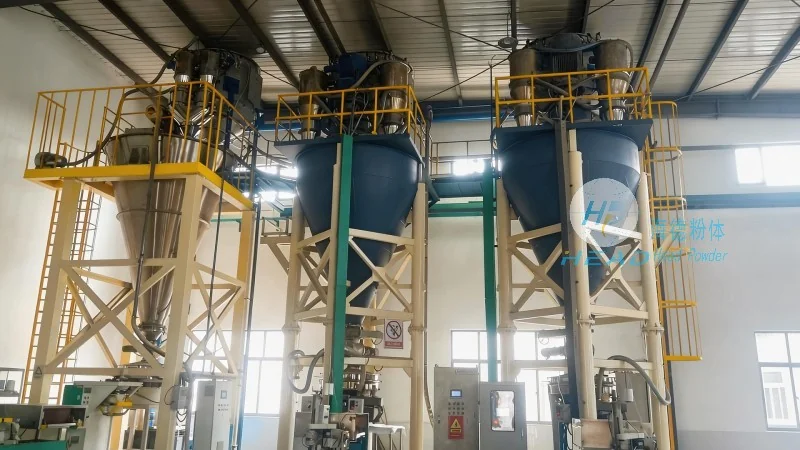
Negative Pressure Conveying: The Alternative Approach
Negative pressure conveying, or vacuum conveying, works by creating a lower pressure inside the conveying line than the surrounding atmosphere. A vacuum pump draws material into the system, and the material is then transported through the pipeline by the pressure differential. This method is often preferred for applications requiring gentle handling of delicate materials, such as pharmaceutical powders or food products. Negative pressure systems are typically more suitable for shorter distances and less complex layouts. However, they may be less efficient for handling abrasive or high-volume materials compared to positive pressure systems. HeadPowder also provides high-quality negative pressure solutions that prioritize material integrity and operational safety.
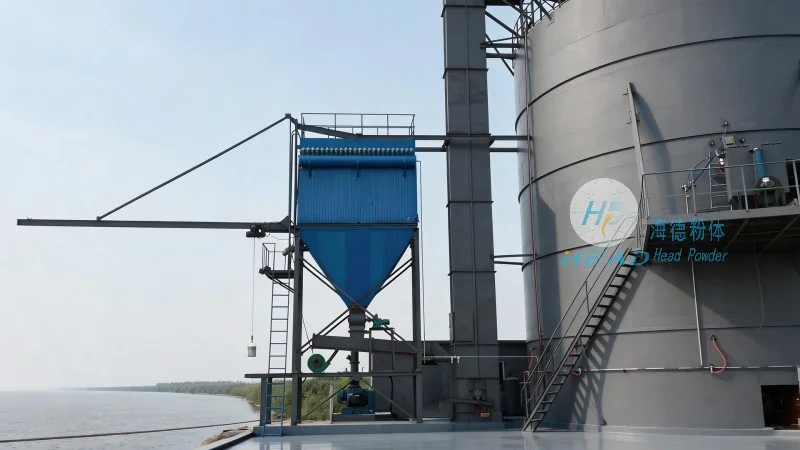
Key Differences Between Positive and Negative Pressure Conveying
When comparing positive and negative pressure conveying, several factors come into play. The primary difference lies in the pressure differential and the direction of material flow. Positive pressure systems push material forward, while negative pressure systems pull it. This distinction impacts the system's design, energy consumption, and suitability for different materials. For instance, positive pressure is better suited for abrasive or high-volume materials due to its higher pressure and continuous flow. Negative pressure, on the other hand, is ideal for delicate or low-volume materials that require gentle handling. Additionally, the cost and maintenance requirements differ between the two systems. Positive pressure systems may have higher energy costs due to the continuous operation of the blower, whereas negative pressure systems might involve more complex vacuum pump maintenance. HeadPowder's expertise lies in tailoring these systems to meet specific customer requirements, ensuring optimal performance and cost-effectiveness.
Applications and Industry Use Cases
Both positive and negative pressure conveying find applications in various industries. In the food and beverage sector, negative pressure systems are commonly used for conveying sensitive ingredients like spices or powders to maintain their quality and prevent contamination. In contrast, positive pressure systems are preferred in chemical manufacturing for handling abrasive powders or bulk materials over long distances. Pharmaceutical companies often opt for negative pressure due to the need for sterile and gentle handling of active ingredients. HeadPowder's solutions are designed to address these diverse needs, providing customized systems that enhance operational efficiency and product quality across different industries.
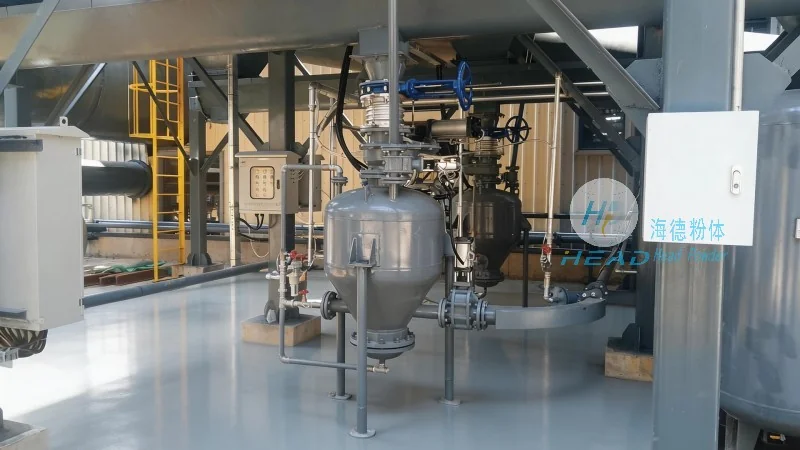
Choosing the Right Conveying System for Your Needs
Selecting between positive and negative pressure conveying requires careful consideration of several factors. The first step is to evaluate the material characteristics, including particle size, density, and moisture content. Materials with high abrasiveness or large particle sizes are better suited for positive pressure systems, which can handle the higher pressure and continuous flow. Delicate or low-volume materials, such as pharmaceutical powders, may benefit from negative pressure systems, which offer gentler handling. The distance and layout of the conveying system also play a crucial role. Positive pressure is ideal for long-distance or complex network applications, while negative pressure is more suitable for shorter distances and simpler layouts. Additionally, energy consumption and maintenance costs should be considered. Positive pressure systems may have higher energy costs but lower maintenance for the vacuum pump in negative pressure systems. HeadPowder's team of experts can assist in evaluating these factors and recommending the most appropriate conveying system for specific operational requirements, ensuring optimal performance and cost savings.