

Silica Fume Positive Pressure and Negative Pressure Conveying: A Comparative Analysis of Two Pneumat
When it comes to transporting silica fume, a fine powder commonly used in concrete and other construction materials, choosing the right pneumatic conveying method is crucial for efficiency, cost-effectiveness, and material integrity. Two primary approaches dominate the industry: positive pressure conveying and negative pressure conveying. This analysis delves into the characteristics, advantages, and limitations of each method, providing a comprehensive comparison tailored to the unique properties of silica fume.
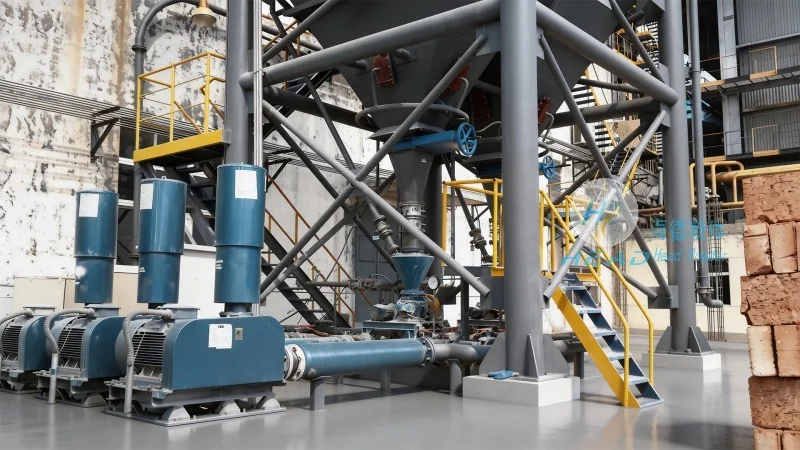
HeadPowder: Your Trusted Partner in Pneumatic Conveying Solutions
At Shandong HeadPowder Engineering Co., Ltd., we specialize in designing and manufacturing advanced pneumatic conveying systems tailored to the specific needs of industrial applications. With our headquarters in Shandong, China, HeadPowder has established itself as a leader in providing reliable and efficient solutions for material handling, including the complex requirements of silica fume transport. Our expertise lies in understanding the nuances of different powder properties and matching them with the most suitable conveying technology to ensure optimal performance and minimal downtime.
Positive Pressure Conveying: Advantages and Applications
Positive pressure conveying, also known as pressure pneumatic conveying, operates by forcing air or gas through the material to be transported. This method is particularly effective for transporting silica fume due to its fine particle size and potential for dust generation. The primary advantage of positive pressure systems is their ability to handle long distances and multiple transfer points without significant pressure loss. By maintaining a positive pressure environment, these systems prevent external air from entering the pipeline, which is critical for maintaining the purity of silica fume and preventing contamination. Additionally, positive pressure conveying can handle abrasive materials like silica fume with minimal wear on equipment, as the material is continuously propelled by the pressurized air flow.
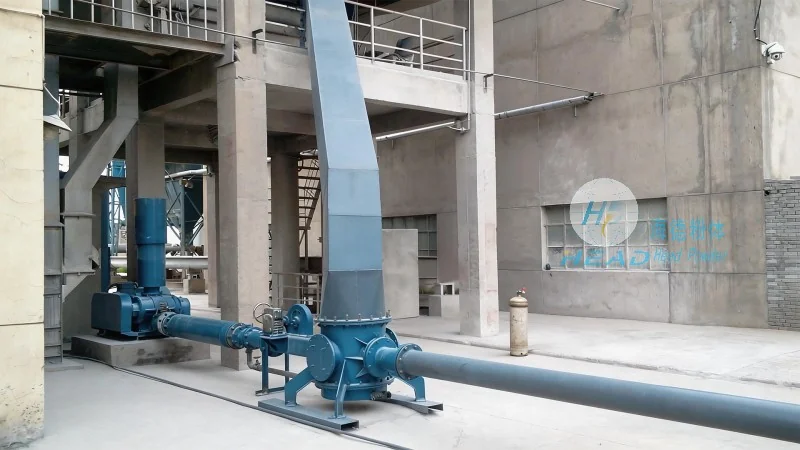
Key Features of Positive Pressure Conveying for Silica Fume
Positive pressure systems typically use a blower or compressor to generate the necessary pressure, ensuring consistent material flow. The pipeline is sealed, which reduces the risk of dust emissions and improves safety in the workplace. For silica fume, which is often stored in bulk containers, positive pressure conveying allows for direct loading from silos or hoppers into the conveying line, streamlining the material handling process. This method is also suitable for applications where the receiving end requires a controlled discharge, such as in batching systems or storage silos. The ability to maintain a positive pressure environment also helps in preventing the ingress of moisture or other contaminants, which can affect the quality of the silica fume.
Negative Pressure Conveying: How It Works and Its Suitability for Silica Fume
Negative pressure conveying, or vacuum pneumatic conveying, operates by creating a vacuum in the conveying line, drawing the material from the source to the destination. This method is often preferred for shorter distances and when the material is to be transported from a single point to a single destination. Unlike positive pressure systems, negative pressure conveying relies on a vacuum pump to create the suction force. The main advantage of this approach is its ability to handle materials that are sensitive to pressure or that may be prone to caking, as the material is not subjected to high pressure during transport. For silica fume, which can be hygroscopic and prone to agglomeration, negative pressure conveying can be beneficial in maintaining the material's flowability and preventing blockages in the pipeline.
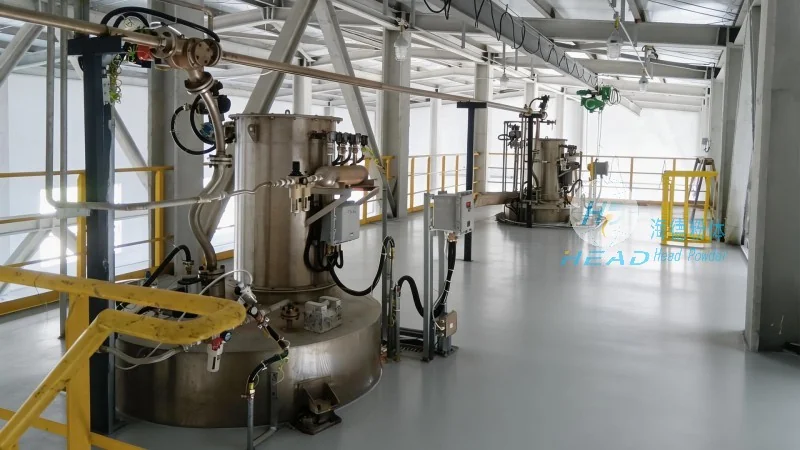
Advantages and Limitations of Negative Pressure Conveying
One of the key benefits of negative pressure systems is their lower initial cost compared to positive pressure systems, as they often require less robust equipment. However, they are generally limited to shorter conveying distances, typically up to a few hundred meters, due to the rapid pressure drop in the pipeline. Additionally, negative pressure conveying can be more susceptible to dust emissions at the source, as the vacuum may draw air and dust particles into the system. This can be a concern in environments where dust control is critical. For silica fume, which is a fine powder, the risk of dust generation is higher in negative pressure systems, requiring additional filtration and dust collection measures to ensure compliance with environmental regulations.
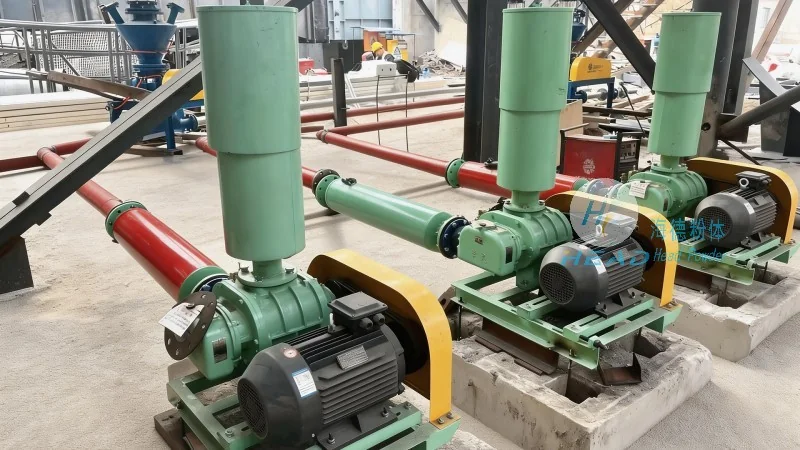
Comparative Analysis: Positive Pressure vs. Negative Pressure for Silica Fume
When deciding between positive and negative pressure conveying for silica fume, several factors must be considered. The most critical factor is the distance between the source and destination. Positive pressure systems are ideal for long-distance transport, while negative pressure is better suited for shorter distances. Another important consideration is the material's properties, such as its particle size, moisture content, and tendency to agglomerate. Silica fume, with its fine particle size and hygroscopic nature, may benefit more from positive pressure systems due to their ability to maintain a sealed environment and prevent contamination. However, if the application involves transporting silica fume from a single point to a single destination over a short distance, negative pressure conveying may be a more cost-effective solution.
Conclusion: Choosing the Right Pneumatic Conveying Method for Silica Fume
Both positive pressure and negative pressure pneumatic conveying methods have their place in the transport of silica fume, and the choice depends on the specific requirements of the application. Positive pressure systems offer superior control over material flow, reduced contamination risk, and the ability to handle long distances, making them suitable for large-scale industrial operations. Negative pressure systems, while less expensive and more suitable for shorter distances, require careful management of dust emissions and may not be ideal for materials prone to agglomeration. At Shandong HeadPowder Engineering Co., Ltd., we work closely with clients to assess their unique needs and recommend the most appropriate pneumatic conveying solution. Our expertise in material handling and our commitment to quality ensure that our clients receive systems that are not only efficient but also reliable and cost-effective. Whether you require a positive pressure or negative pressure system for your silica fume transport, HeadPowder is your trusted partner in achieving optimal performance and maintaining the integrity of your materials.