

Comparison of Advantages and Disadvantages of Negative Pressure and Positive Pressure Conveying in S
In the field of agricultural processing, especially for small beans, pneumatic conveying systems are crucial for efficient material handling. Two primary methods dominate the industry: negative pressure (suction) conveying and positive pressure (blowing) conveying. Each method has its own set of advantages and disadvantages, which are essential to understand when selecting the right system for a specific application. This article provides a detailed comparison of these two approaches, focusing on their operational characteristics, suitability for small bean handling, and practical considerations.
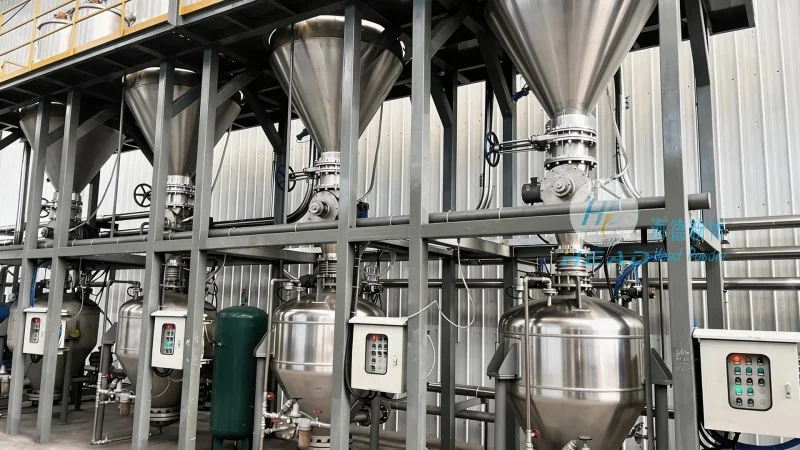
Understanding Negative Pressure (Suction) Conveying
Negative pressure conveying, also known as suction conveying, operates by creating a partial vacuum at the material inlet. This vacuum draws the small beans into the conveying line using a fan or blower located at the discharge end. The system typically uses a closed pipeline, with the inlet positioned at the source of the material (e.g., a storage bin or hopper) and the discharge at the processing or packaging area. A key feature of negative pressure systems is their ability to handle materials from multiple points simultaneously, as the vacuum can be distributed across several inlets. This makes them ideal for applications where material is sourced from various locations within a facility.
One of the primary advantages of negative pressure conveying is its gentle handling of the material. The low pressure and vacuum conditions minimize particle breakage and abrasion, which is critical for delicate small beans that may be prone to damage during transport. Additionally, these systems are generally quieter than positive pressure systems, as the fan operates at lower speeds to maintain the vacuum. From an energy perspective, negative pressure systems can be more energy-efficient in certain scenarios, particularly when the material is being moved from a higher elevation to a lower one, as the vacuum helps in the natural flow of the material.
However, negative pressure conveying also has notable disadvantages. The most significant drawback is the risk of dust and air contamination. Since the system draws air along with the material, it can introduce airborne particles or contaminants into the conveying line, which may affect the quality of the small beans. This requires additional filtration and cleaning measures to maintain product purity. Another limitation is the system's sensitivity to blockages. If the pipeline becomes clogged, the vacuum can be lost, leading to system failure and potential material spillage. Furthermore, negative pressure systems may not be as effective for long-distance or high-elevation conveying, as the vacuum can diminish over distance, reducing the conveying capacity.
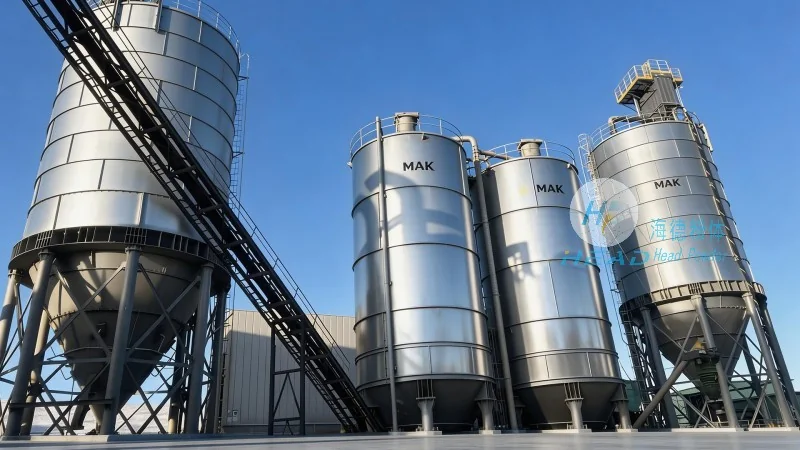
Understanding Positive Pressure (Blowing) Conveying
Positive pressure conveying, or blowing conveying, works by forcing air or a gas mixture through the conveying line under pressure. The material is drawn into the line by the high-pressure air, which is generated by a blower or fan located at the inlet. The discharge end is typically open to the atmosphere, allowing the material to be deposited at the desired location. This method is often used for short to medium-distance conveying and is particularly effective when the material needs to be moved from a lower elevation to a higher one, as the pressure pushes the material upward.
A major advantage of positive pressure conveying is its ability to handle a wider range of materials, including those with higher moisture content or more abrasive properties. The high-pressure air can effectively transport materials that might be difficult for negative pressure systems, such as small beans with a higher density or those that tend to clump together. Additionally, positive pressure systems are generally more resistant to blockages, as the high pressure helps to dislodge any material that might accumulate in the pipeline. This makes them more reliable for continuous operation, especially in high-demand processing environments.
Despite these benefits, positive pressure conveying also has its drawbacks. The most significant disadvantage is the higher energy consumption compared to negative pressure systems. The blower must operate at higher speeds and pressures to maintain the flow, which increases operational costs. Another concern is the noise level, as positive pressure systems tend to be louder due to the high-pressure air movement. Furthermore, these systems can be more prone to material degradation if the air is not properly filtered, as the high-pressure air may carry fine particles that can cause abrasion or contamination. Additionally, positive pressure conveying may not be suitable for applications requiring gentle handling, as the high pressure can cause more wear and tear on the material.
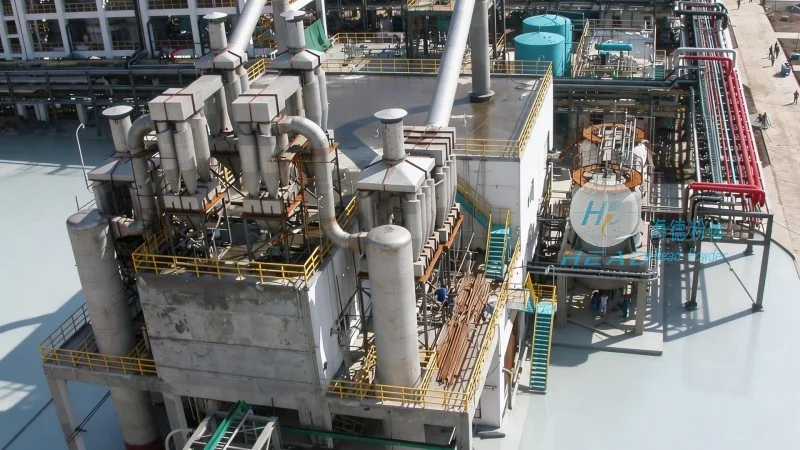
Comparative Analysis: Key Factors to Consider
When deciding between negative and positive pressure conveying for small bean handling, several key factors must be considered. The first is the nature of the material itself. If the small beans are delicate and prone to damage, negative pressure conveying is often the better choice due to its gentler handling. Conversely, if the beans are more robust or have higher moisture content, positive pressure conveying may be more effective. The second factor is the distance and elevation changes involved in the conveying process. For short distances or when moving material from a lower to a higher elevation, positive pressure is preferable. For longer distances or when moving material from a higher to a lower elevation, negative pressure may be more efficient.
The third factor is the system's energy efficiency and operational costs. Negative pressure systems can be more energy-efficient in certain scenarios, particularly for downhill conveying, while positive pressure systems may have higher energy costs but offer greater reliability and handling capacity. The fourth factor is the need for material purity and contamination control. If maintaining the quality of the small beans is critical, negative pressure systems with proper filtration are essential. However, if the application allows for more robust handling and the risk of contamination is lower, positive pressure systems can be a viable option.
Another important consideration is the system's maintenance and operational complexity. Negative pressure systems may require more frequent maintenance due to the risk of blockages and the need for regular cleaning of the filtration system. Positive pressure systems, while generally more reliable, may still require regular checks of the blower and pipeline for wear and tear. The choice between the two methods should also take into account the specific requirements of the processing facility, including available space, budget constraints, and the overall production volume.