

Advantages and Disadvantages of Negative Pressure and Positive Pressure Conveying in Sugar Pneumatic
HeadPowder Engineering Co., Ltd. specializes in providing advanced solutions for material handling, particularly in the sugar industry. Pneumatic conveying is a critical technology for transporting bulk materials like sugar, offering efficient and flexible methods compared to traditional systems. This article explores the key differences between negative pressure and positive pressure conveying systems, highlighting their respective advantages and disadvantages.
Negative Pressure Conveying Systems
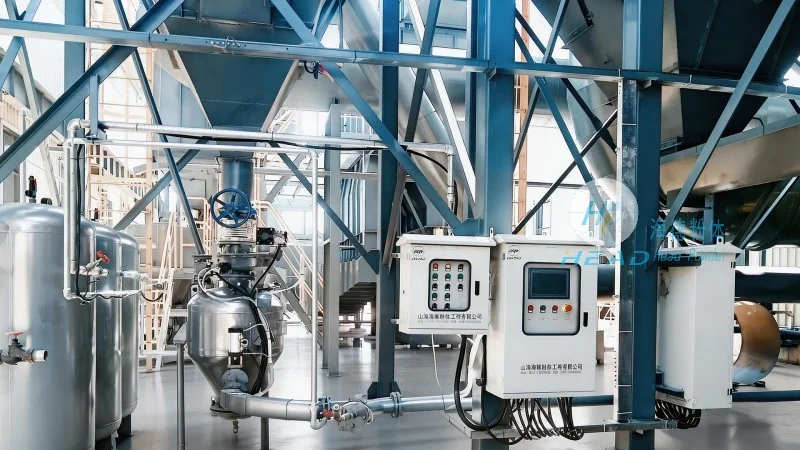
Negative pressure conveying, also known as suction conveying, operates by creating a low-pressure zone at the material inlet. This draws the material into the conveying line using a vacuum. The system typically includes a vacuum pump or fan that pulls air and material particles through the pipeline. One of the primary advantages of negative pressure systems is their ability to handle fine powders and dust without causing excessive pressure differentials. This makes them suitable for applications where material is being drawn from a source, such as a storage silo or a hopper. Additionally, negative pressure systems are generally quieter and produce less noise compared to positive pressure systems, which can be beneficial in environments where noise control is a priority. However, negative pressure conveying has several limitations. The main drawback is the risk of dust leakage and air contamination, as the system operates under a vacuum. This can lead to environmental issues and require additional filtration systems to comply with air quality regulations. Another challenge is the potential for material degradation due to prolonged exposure to the vacuum and air flow, which may affect the quality of the sugar being transported. Furthermore, negative pressure systems may have lower conveying capacities compared to positive pressure systems, making them less suitable for high-volume applications. The initial setup and maintenance costs can also be higher due to the need for robust vacuum equipment and filtration components.
Positive Pressure Conveying Systems
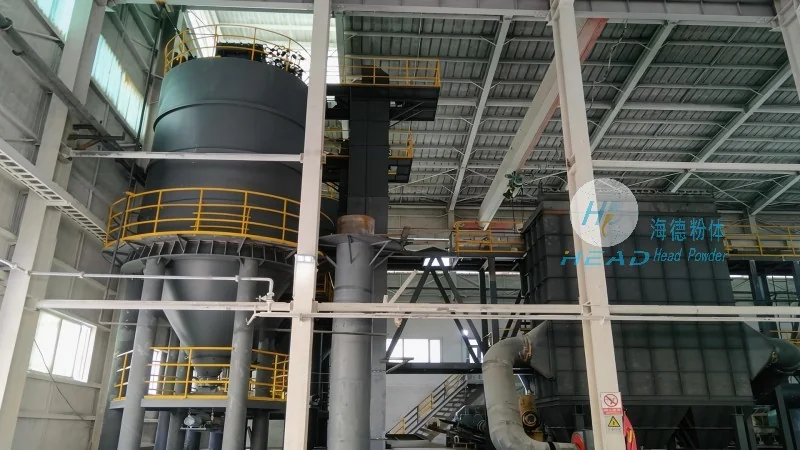
Positive pressure conveying, or pressure conveying, works by generating high pressure at the material inlet using a blower or compressor. The material is then pushed through the pipeline by the pressurized air. This system is often preferred for transporting larger particles or bulk materials that require higher pressure to move. One of the significant advantages of positive pressure systems is their higher conveying capacity and ability to handle a wider range of material sizes and densities. They are particularly effective for long-distance or high-volume transport, as the pressure can be maintained throughout the pipeline. Another benefit is the reduced risk of dust leakage compared to negative pressure systems, as the system operates under positive pressure, preventing air from entering the pipeline. This makes positive pressure systems more suitable for applications where air quality and environmental compliance are critical. However, positive pressure conveying also has its drawbacks. The primary disadvantage is the higher noise levels and vibration, as the blower or compressor generates significant sound and mechanical stress. This can be a concern in industrial settings where noise control is necessary. Additionally, positive pressure systems may require more complex and robust equipment, such as high-pressure blowers, which can increase the initial investment and maintenance costs. The system is also more susceptible to blockages and material buildup in the pipeline, especially with sticky or cohesive materials like sugar, which can lead to operational issues and downtime. Furthermore, positive pressure conveying may not be as effective for fine powders or materials that are prone to segregation, as the high pressure can cause uneven distribution and potential material degradation.
About HeadPowder Engineering Co., Ltd.
HeadPowder Engineering Co., Ltd. is a leading provider of pneumatic conveying solutions, with a focus on the sugar industry. Based in Shandong, China, the company specializes in designing, manufacturing, and installing advanced material handling systems tailored to the unique needs of sugar processing facilities. With years of experience in the industry, HeadPowder offers comprehensive services, including system design, equipment selection, installation, and maintenance. The company's expertise lies in optimizing material flow, improving efficiency, and ensuring compliance with industry standards and regulations. By leveraging cutting-edge technology and a deep understanding of material properties, HeadPowder delivers reliable and cost-effective solutions that enhance the performance of sugar processing operations. The company's commitment to quality and customer satisfaction has made it a trusted partner for many sugar manufacturers worldwide.