

Comparison of Advantages and Disadvantages of Negative Pressure and Positive Pressure Pneumatic Conv
When it comes to transporting iron sand, the choice between negative pressure and positive pressure pneumatic conveying systems is a critical decision that impacts operational efficiency, cost, and safety. Both methods are widely used in industrial applications, but they each have distinct characteristics that make them suitable for different scenarios. This article provides a detailed comparison of the advantages and disadvantages of negative pressure and positive pressure pneumatic conveying for iron sand, helping you make an informed choice for your specific needs.
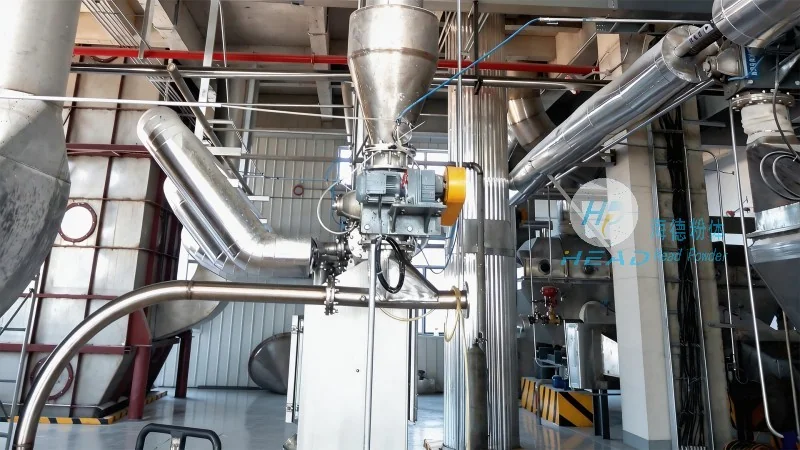
Negative Pressure Pneumatic Conveying: Advantages and Disadvantages
Negative pressure, also known as suction conveying, operates by creating a vacuum in the system to draw material from the source into the conveying line. This method is particularly effective for transporting materials from multiple points or over longer distances. One of the key advantages of negative pressure systems is their ability to handle materials that are prone to dust or fine particles, as the vacuum helps to contain and control emissions. Additionally, negative pressure systems are generally more flexible in terms of layout, allowing for more complex and varied routes without the need for additional pressure boosting equipment.
However, negative pressure conveying also has several disadvantages. The primary drawback is the potential for material degradation due to the high velocity and turbulence within the system. This can be especially problematic for iron sand, which may contain brittle particles that break down during transport. Another significant issue is the risk of system backflow or contamination, as the vacuum can draw in external air or other materials if the system is not properly sealed. Furthermore, negative pressure systems often require more maintenance and are more susceptible to clogging, particularly with abrasive materials like iron sand.
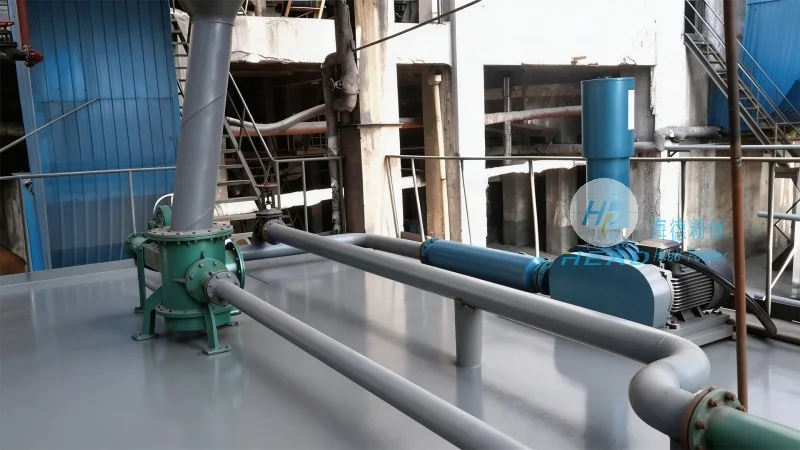
Positive Pressure Pneumatic Conveying: Advantages and Disadvantages
Positive pressure, or pressure conveying, works by using a blower or compressor to push material through the conveying line. This method is typically more suitable for shorter distances and for transporting materials that are less prone to degradation. One of the main advantages of positive pressure systems is their ability to handle abrasive and heavy materials without causing excessive wear on the system components. The constant pressure also helps to maintain the integrity of the material, reducing the risk of particle breakdown. Additionally, positive pressure systems are generally more reliable and require less maintenance compared to negative pressure systems, as they are less prone to clogging and backflow issues.
Despite these benefits, positive pressure conveying has its own set of drawbacks. The primary disadvantage is the higher energy consumption, as the system must continuously generate pressure to move the material. This can increase operational costs, especially for large-scale applications. Another issue is the potential for increased dust emissions, as the high pressure can cause particles to break apart and release fine dust. Furthermore, positive pressure systems may not be as flexible in terms of layout, as they require a more direct and continuous path from the source to the destination, which can limit the design options for complex systems.
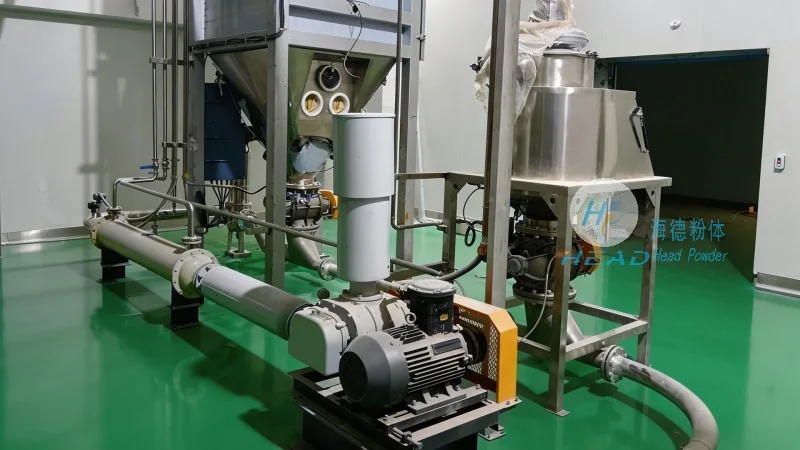
Key Considerations for Choosing the Right Conveying System
When deciding between negative and positive pressure pneumatic conveying for iron sand, several factors should be considered. The first is the distance and layout of the transport route. For longer distances or complex layouts, negative pressure systems may be more suitable due to their flexibility. For shorter distances and simpler layouts, positive pressure systems can offer better efficiency and reliability. The second factor is the nature of the iron sand being transported. If the material is abrasive or prone to degradation, positive pressure systems may be preferred to minimize particle breakdown. Conversely, if the material contains fine particles or is sensitive to dust, negative pressure systems can provide better containment and control.
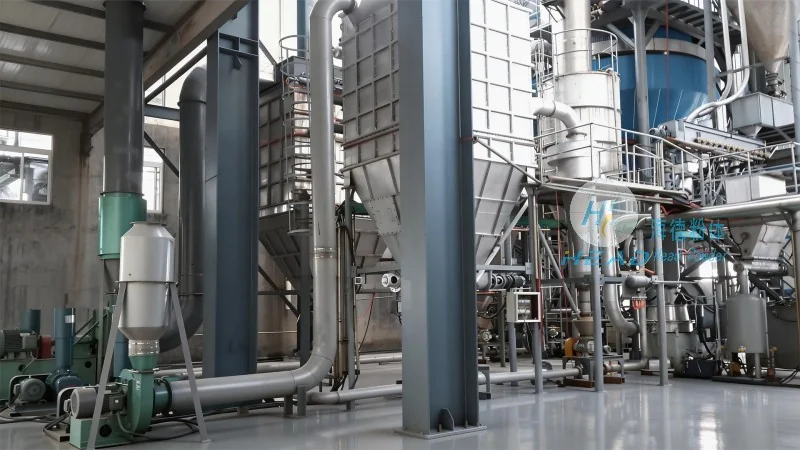
The third consideration is the operational environment and safety requirements. Negative pressure systems are generally better suited for applications where dust control is a priority, as they help to contain emissions. Positive pressure systems, on the other hand, may be more appropriate for environments where the material is less hazardous and where energy efficiency is a key concern. Finally, the cost and maintenance requirements should be evaluated. Positive pressure systems typically have lower maintenance costs and are more energy-efficient in the long run, while negative pressure systems may require more frequent maintenance and have higher energy consumption.
About Shandong HeadPowder Engineering Co., Ltd.
Shandong HeadPowder Engineering Co., Ltd. is a leading provider of pneumatic conveying solutions, specializing in the design and manufacturing of systems for industrial materials like iron sand. With years of experience in the industry, the company offers a range of high-quality conveying equipment and services tailored to meet the specific needs of its clients. HeadPowder's expertise in negative and positive pressure systems allows them to provide comprehensive solutions that optimize efficiency, reduce costs, and enhance safety in material handling operations. The company's commitment to quality and customer satisfaction has made it a trusted partner for businesses in the iron sand and related industries.