

Comparison of Advantages and Disadvantages of Negative Pressure and Positive Pressure Pneumatic Conv
In the flour processing industry, pneumatic conveying systems are critical for ensuring efficient and safe material transport. Selecting the right conveying method is essential for boosting production efficiency and reducing operational costs. This article delves into the advantages and disadvantages of negative pressure and positive pressure pneumatic conveying in flour handling, helping industry users make informed decisions based on their specific needs.
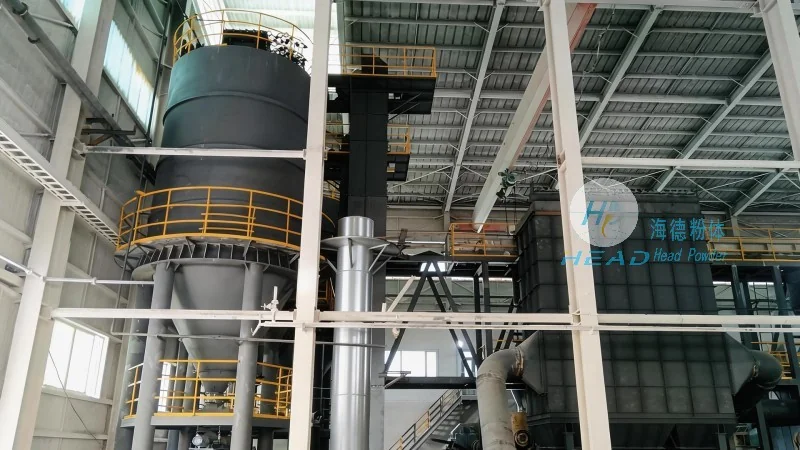
Introduction to Pneumatic Conveying in Flour Industry
Pneumatic conveying systems are widely used in the flour processing industry to transport bulk materials such as flour, wheat, and other grain products. These systems utilize air to move materials through a pipeline, offering a dust-free and continuous operation compared to traditional mechanical conveying methods. The choice between negative pressure (suction) and positive pressure (blowing) systems significantly impacts the performance, cost, and application suitability of the conveying process.
Understanding Negative Pressure Pneumatic Conveying
Negative pressure conveying, also known as suction conveying, operates by creating a low-pressure zone at the material inlet. This draws the material into the pipeline using a vacuum created by a fan or blower. The system typically starts at the discharge point and pulls material from the source, moving it towards the receiver. This method is particularly effective for applications where the material needs to be transported from a higher elevation to a lower one, or when the source is located at a distance from the processing plant.
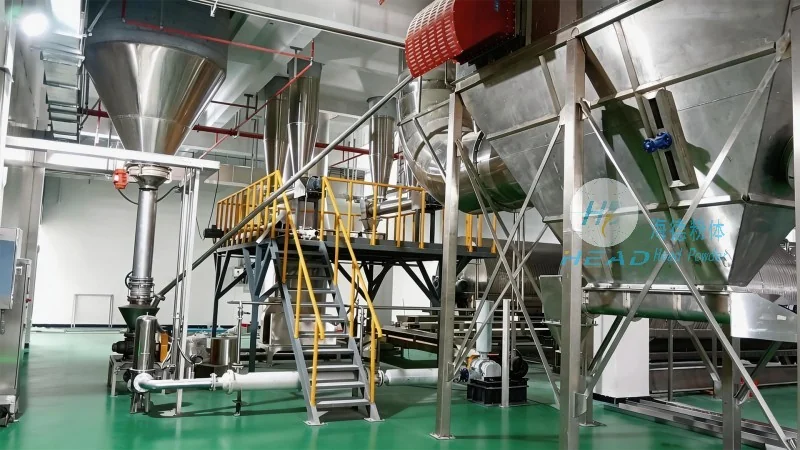
Advantages of Negative Pressure Conveying
One of the primary advantages of negative pressure systems is their ability to handle fine and dusty materials without causing excessive particle breakage. The low velocity of air in the pipeline reduces the risk of material degradation, making it ideal for delicate products like flour. Additionally, negative pressure conveying can operate with lower air velocities, which helps in reducing energy consumption and operational costs. The system is also less likely to cause product contamination as the material is drawn into the pipeline rather than being forced through, maintaining product purity.
Disadvantages of Negative Pressure Conveying
However, negative pressure systems have several limitations. The most significant drawback is their limited conveying distance and height difference. The suction effect diminishes with distance and elevation, making it unsuitable for long-distance or high-rise applications. This restricts the system's application scope, especially in large-scale flour mills where material needs to be transported over considerable distances. Another disadvantage is the higher risk of system backflow or blockage, as the system relies on maintaining a consistent vacuum. If the pipeline is blocked or the fan fails, material can be drawn back into the source, leading to operational disruptions.
Understanding Positive Pressure Pneumatic Conveying
Positive pressure conveying, or blowing conveying, operates by forcing air and material through the pipeline using a high-pressure blower. The material is pushed from the source towards the discharge point, utilizing the pressure difference to move the product. This method is suitable for applications requiring long-distance or high-elevation transport, as the pressure can be maintained over greater distances without significant loss.
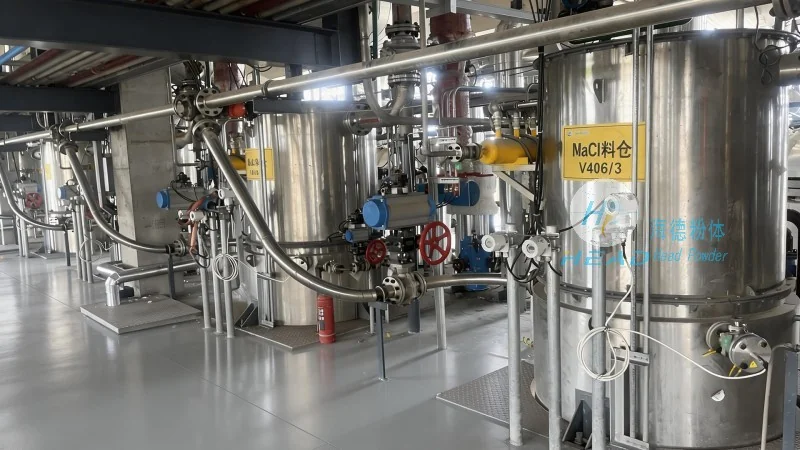
Advantages of Positive Pressure Conveying
Positive pressure systems excel in long-distance and high-elevation conveying, making them ideal for large-scale flour processing facilities. The high air pressure ensures consistent material flow, reducing the risk of blockages and ensuring reliable operation over extended distances. This method is also more flexible in terms of layout, as the system can be configured to handle multiple sources or destinations without complex adjustments. Additionally, positive pressure conveying can handle a wider range of materials, including bulkier or more abrasive products, with minimal wear on the pipeline and components.
Disadvantages of Positive Pressure Conveying
Despite its advantages, positive pressure conveying has notable drawbacks. The high air velocities required to maintain pressure can lead to increased energy consumption and higher operational costs. The system also poses a higher risk of material degradation due to the higher impact forces within the pipeline. Furthermore, positive pressure systems are more prone to product contamination, as the material is forced through the pipeline, potentially picking up dust or other contaminants from the air. This can affect the quality of the final flour product, especially in high-purity applications.
Comparison and Selection Criteria
When choosing between negative and positive pressure pneumatic conveying for flour handling, several factors must be considered. The primary considerations include the distance and elevation difference between the source and destination, the material characteristics (such as fineness, moisture content, and abrasiveness), and the required conveying capacity. For short-distance or low-elevation applications with fine, delicate materials, negative pressure systems are often preferred due to their gentler handling and lower energy consumption. Conversely, for long-distance or high-elevation transport of bulkier materials, positive pressure systems offer better performance and reliability.
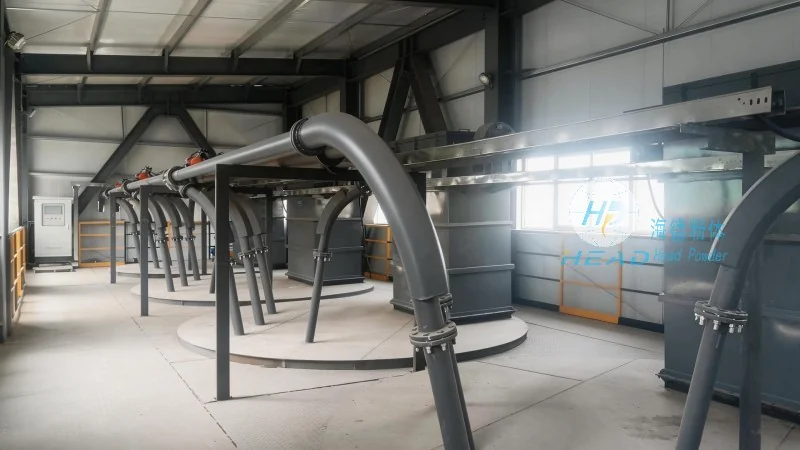
Role of Shandong HeadPowder Engineering Co., Ltd.
Shandong HeadPowder Engineering Co., Ltd., a leading provider of pneumatic conveying solutions, specializes in designing and manufacturing customized systems tailored to the specific needs of flour processing facilities. With years of experience in the industry, the company offers comprehensive solutions that integrate both negative and positive pressure technologies to optimize conveying efficiency. HeadPowder's expertise lies in understanding the unique challenges of flour handling, such as maintaining product purity, minimizing degradation, and ensuring consistent flow. The company's team of engineers works closely with clients to assess their operational requirements, material properties, and site constraints, developing tailored solutions that enhance productivity and reduce costs.
Conclusion
In conclusion, both negative and positive pressure pneumatic conveying systems have distinct advantages and limitations in flour handling applications. The choice between the two depends on the specific operational requirements, material characteristics, and site conditions. By understanding the pros and cons of each system, industry users can select the most suitable conveying method to improve efficiency, reduce costs, and maintain product quality. Shandong HeadPowder Engineering Co., Ltd. stands ready to provide expert guidance and customized solutions to help flour mills achieve optimal conveying performance and operational excellence.