

Advantages and Disadvantages of Negative Pressure and Positive Pressure Conveying for Bamboo Powder
Bamboo powder, a widely used material in various industries such as papermaking, construction, and chemical processing, requires efficient and reliable conveying methods to ensure smooth production processes. Among the available technologies, pneumatic conveying systems are commonly employed. These systems can be categorized into two primary types: negative pressure (or suction) conveying and positive pressure (or pressure) conveying. Each method has its own set of advantages and disadvantages, making the choice between them critical for optimizing operational efficiency and cost-effectiveness.
Understanding Negative Pressure Conveying
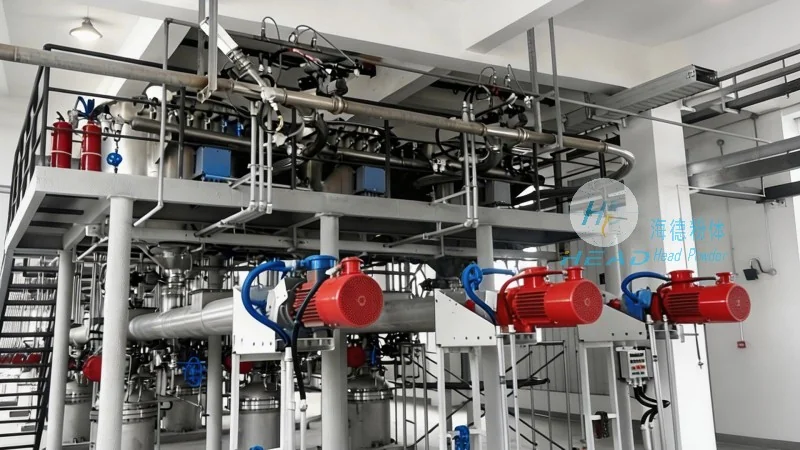
Negative pressure conveying, also known as suction conveying, operates by creating a low-pressure environment at the material inlet. This low pressure draws the bamboo powder into the conveying line, where it is then transported to the destination. The system typically uses a vacuum pump or fan to generate the necessary suction force.
Advantages of Negative Pressure Conveying for Bamboo Powder
One of the key advantages of negative pressure conveying is its ability to handle fine and dusty materials like bamboo powder without causing excessive wear on the system components. The low pressure environment minimizes the risk of material degradation or agglomeration, which is particularly important for delicate bamboo powder particles. Additionally, negative pressure systems are generally more energy-efficient compared to their positive pressure counterparts, as they require less power to maintain the suction force.
Disadvantages of Negative Pressure Conveying for Bamboo Powder
Despite its advantages, negative pressure conveying has several drawbacks. The primary limitation is its limited conveying distance and capacity. The suction force diminishes over longer distances, making it unsuitable for applications requiring high-volume or long-distance transport. Another disadvantage is the higher risk of system contamination, as the vacuum environment can draw in external particles or air, potentially affecting the purity of the bamboo powder. Furthermore, maintenance costs can be higher due to the need for more robust seals and filters to prevent leakage and contamination.
Understanding Positive Pressure Conveying
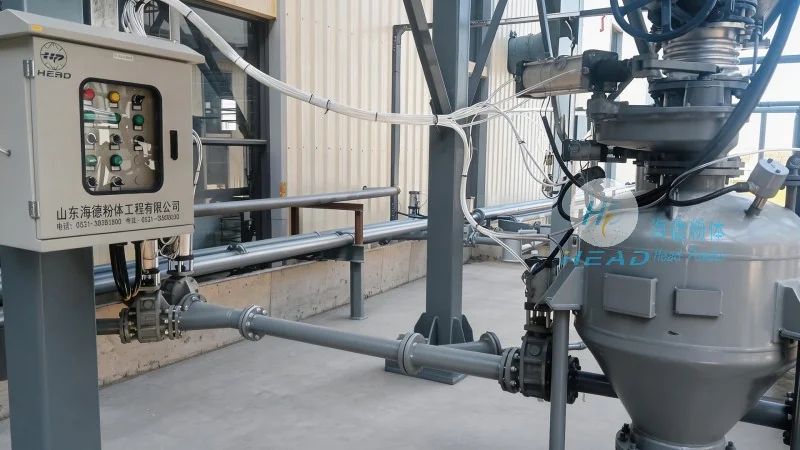
Positive pressure conveying, or pressure conveying, works by compressing air or gas and forcing it through the conveying line. The high-pressure air pushes the bamboo powder along the pipeline, ensuring consistent and reliable transport. This method typically uses a blower or compressor to generate the necessary pressure.
Advantages of Positive Pressure Conveying for Bamboo Powder
Positive pressure conveying offers several advantages that make it suitable for many bamboo powder handling applications. The most significant benefit is its ability to handle longer conveying distances and higher material volumes. The high pressure ensures that the bamboo powder is transported efficiently even over extended lengths, making it ideal for large-scale operations. Additionally, positive pressure systems are generally more reliable in terms of material flow, as the constant pressure prevents clogging or blockages that can occur in suction systems.
Disadvantages of Positive Pressure Conveying for Bamboo Powder
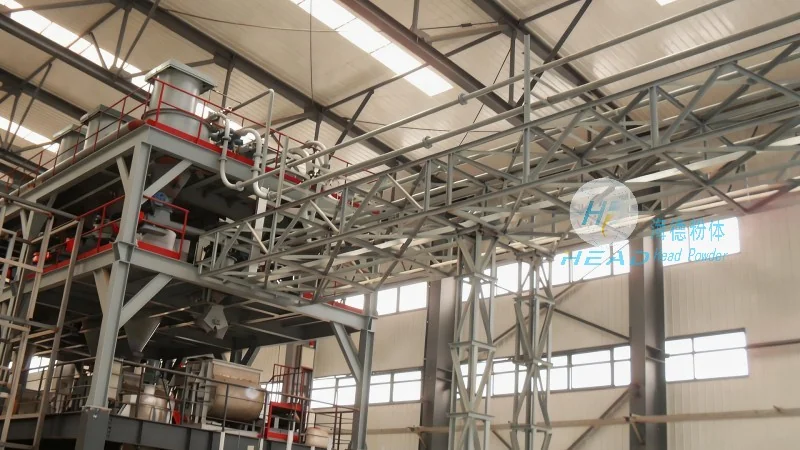
However, positive pressure conveying also has its limitations. The primary drawback is the higher energy consumption compared to negative pressure systems. The need to maintain high pressure requires more power, which can increase operational costs. Another disadvantage is the potential for material degradation due to the higher air speeds and pressures, which can cause abrasion or breakage of bamboo powder particles. Furthermore, the system is more susceptible to pressure-related failures, such as leaks or equipment malfunctions, which can lead to downtime and increased maintenance expenses.
Comparison and Practical Recommendations
When deciding between negative and positive pressure conveying for bamboo powder, several factors must be considered. The choice depends on the specific application requirements, including the distance to be covered, the volume of material to be transported, and the desired level of material purity. For short-distance, low-volume applications where material quality is critical, negative pressure conveying may be the better option. Conversely, for long-distance, high-volume operations where efficiency and reliability are paramount, positive pressure conveying is often more suitable.
About Shandong HeadPowder Engineering Co., Ltd.
Shandong HeadPowder Engineering Co., Ltd., a leading provider of pneumatic conveying solutions, specializes in designing and manufacturing customized systems tailored to the unique needs of bamboo powder handling. With years of experience in the industry, the company offers expert consultation and engineering services to help clients select the most appropriate conveying method. HeadPowder's commitment to quality and innovation ensures that their systems are reliable, efficient, and cost-effective, helping businesses optimize their production processes and enhance overall operational performance.