

Comparison of Advantages and Disadvantages of Negative Pressure and Positive Pressure Pneumatic Conv
Pneumatic conveying is a widely used method for transporting bulk materials like coal ash, offering efficient and flexible solutions for industrial applications. The choice between negative pressure (suction) and positive pressure (blowing) systems significantly impacts operational efficiency, cost, and material handling capabilities. This article provides a detailed comparison of the advantages and disadvantages of negative pressure versus positive pressure pneumatic conveying for coal ash transport, helping industry professionals make informed decisions.
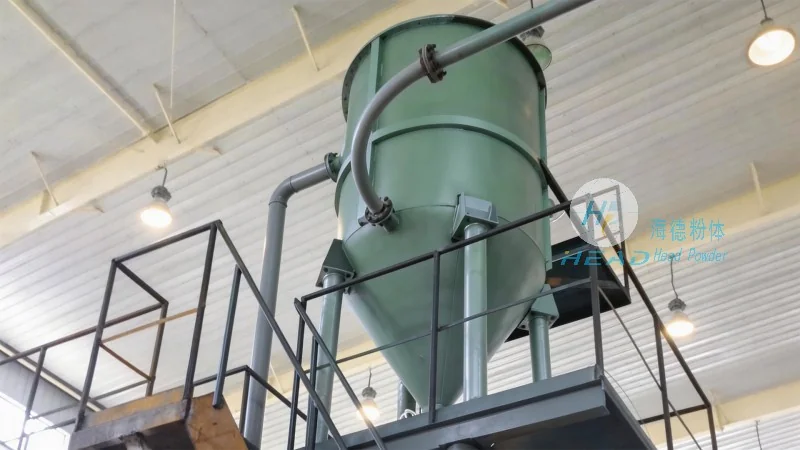
Understanding Negative Pressure Pneumatic Conveying
Negative pressure systems, also known as suction conveyors, operate by creating a low-pressure zone at the material inlet. Air is drawn into the system, carrying the coal ash particles through the pipeline to the discharge point. This method is particularly effective for handling fine or dusty materials, as it can draw material from multiple sources without the need for mechanical feeders.
One of the key advantages of negative pressure conveying is its ability to handle materials from multiple points simultaneously. This makes it suitable for applications where coal ash is generated at various locations within a facility, such as from multiple boilers or ash handling units. The system can collect material from these sources and transport it to a central storage or processing area, improving overall material management.
However, negative pressure systems have some limitations. The primary drawback is the risk of dust leakage and air contamination, as the system operates under a vacuum. This can lead to environmental concerns and require additional filtration systems to meet regulatory standards. Additionally, the suction power is limited by the system's vacuum level, which may restrict the distance and height the material can be conveyed. For long-distance or high-rise applications, the pressure drop becomes significant, reducing the system's effectiveness.
Advantages of Positive Pressure Pneumatic Conveying
Positive pressure systems, or blowing conveyors, work by forcing air through the pipeline, pushing the coal ash particles forward. This method is generally more suitable for handling larger or more abrasive materials, as the higher pressure can maintain material flow without clogging. The system operates under positive pressure, preventing dust and air from escaping, which enhances safety and environmental compliance.
A major advantage of positive pressure conveying is its ability to handle longer distances and higher elevations compared to negative pressure systems. The higher pressure allows for greater pressure drop across the pipeline, enabling efficient transport over significant vertical or horizontal distances. This makes it ideal for applications where coal ash needs to be transported from a central generation point to a distant storage or disposal site.
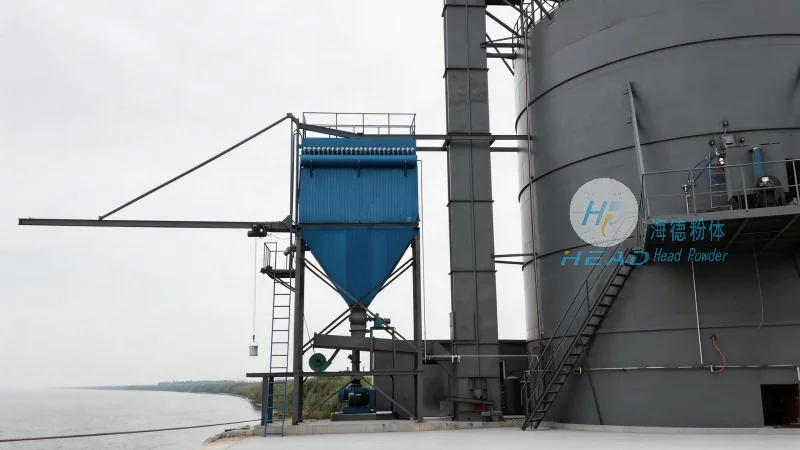
Another benefit is the reduced risk of material degradation. Since the system operates under positive pressure, the material is less likely to be exposed to external contaminants or moisture, preserving its quality. This is particularly important for coal ash, which may contain moisture or be susceptible to clumping. Positive pressure systems also offer better control over the material flow rate, allowing for precise regulation of the conveying speed and quantity.
Disadvantages of Positive Pressure Pneumatic Conveying
Despite its advantages, positive pressure systems have notable drawbacks. The most significant limitation is the higher energy consumption compared to negative pressure systems. The need to generate and maintain higher air pressure requires more powerful blowers and compressors, increasing operational costs. Additionally, the system is more prone to clogging, especially with fine or cohesive materials like coal ash, which can lead to frequent maintenance and downtime.
Another disadvantage is the potential for material degradation due to the high air velocity and pressure. The abrasive nature of coal ash can cause wear and tear on the pipeline and components, leading to increased maintenance and replacement costs over time. Furthermore, positive pressure systems may require more complex filtration and air cleaning systems to prevent dust accumulation in the equipment, adding to the overall operational complexity.
Key Considerations for Choosing Between Systems
When selecting a pneumatic conveying system for coal ash, several factors must be considered to ensure optimal performance and cost-effectiveness. The first consideration is the distance and elevation of the transport route. For short distances and low elevations, negative pressure systems may be sufficient. However, for long-distance or high-rise applications, positive pressure systems are generally more suitable due to their ability to handle greater pressure drops.
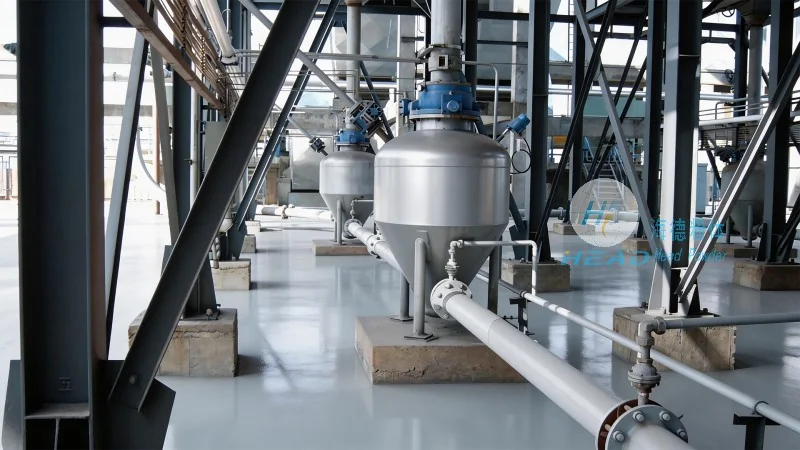
Material characteristics also play a crucial role. Fine or dusty coal ash is better suited for negative pressure systems, as the suction action can effectively capture and transport these particles without clogging. In contrast, larger or more abrasive materials may require positive pressure systems to maintain consistent flow and prevent wear on the equipment.
Environmental and safety regulations are another critical factor. Negative pressure systems may require additional filtration to control dust emissions, while positive pressure systems inherently provide better containment, reducing the risk of environmental contamination. The choice of system should align with local regulations and the facility's environmental goals.
Operational costs and maintenance requirements are also important considerations. Negative pressure systems typically have lower energy consumption and simpler components, leading to lower maintenance costs. However, they may require more frequent cleaning and maintenance due to dust accumulation. Positive pressure systems, while more energy-intensive, may have lower maintenance needs for the conveying line but higher costs for the air compression equipment.
Conclusion and Company Overview
Both negative pressure and positive pressure pneumatic conveying systems offer viable solutions for coal ash transport, each with its own set of advantages and disadvantages. The optimal choice depends on the specific application requirements, including distance, material characteristics, and environmental regulations. By carefully evaluating these factors, industry professionals can select the most efficient and cost-effective system for their coal ash handling needs.
Shandong HeadPowder Engineering Co., Ltd., a leading provider of industrial material handling solutions, specializes in designing and manufacturing customized pneumatic conveying systems tailored to the unique needs of coal ash processing facilities. With years of experience in the industry, HeadPowder offers expert consultation and high-quality equipment to ensure reliable and efficient coal ash transport. The company's commitment to innovation and customer satisfaction has made it a trusted partner for facilities seeking to optimize their material handling operations. Located in Shandong, China, HeadPowder leverages its local expertise and advanced technology to deliver solutions that meet the highest standards of performance and reliability.