

Types and Practical Applications of Pneumatic Conveying Systems for Carbon Fiber Handling
For industries dealing with carbon fiber, selecting the right material handling system is crucial for efficiency and safety. Pneumatic conveying systems have emerged as a preferred solution due to their ability to transport carbon fiber efficiently while minimizing material degradation. This article explores the different types of pneumatic conveying systems commonly used in carbon fiber handling and their practical applications, highlighting the expertise of Shandong HeadPowder Engineering Co., Ltd. (headpowder) in designing and implementing these systems.
Types of Pneumatic Conveying Systems for Carbon Fiber Handling
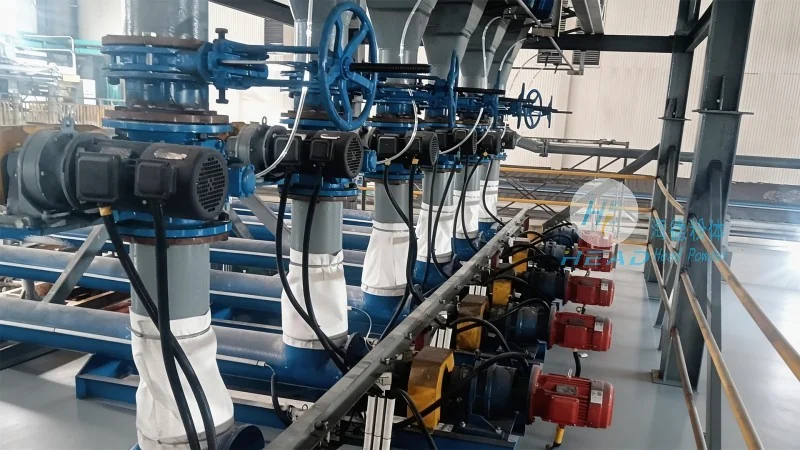
Pneumatic conveying systems are categorized based on the pressure within the system. The primary types include positive pressure, negative pressure, and mixed pressure systems. Each type has distinct characteristics and is suitable for different carbon fiber handling scenarios.
Positive pressure systems operate by blowing air into the conveying line, creating a pressure higher than the ambient air. This method is ideal for transporting carbon fiber over long distances and through complex layouts. The high pressure ensures that the material is moved consistently without clogging, making it suitable for large-scale production facilities. For instance, in carbon fiber manufacturing plants, positive pressure systems are often used to transport raw carbon fibers from storage silos to processing units.
Negative pressure systems, on the other hand, create a vacuum in the conveying line, drawing the carbon fiber material into the system. This approach is particularly effective for handling fine or dusty carbon fiber powders, as it reduces the risk of dust dispersion. Negative pressure systems are commonly used in applications where environmental control is a priority, such as in cleanroom environments or when transporting sensitive carbon fiber products. Shandong HeadPowder Engineering Co., Ltd. specializes in designing negative pressure systems that maintain low dust emissions, ensuring compliance with industrial safety standards.
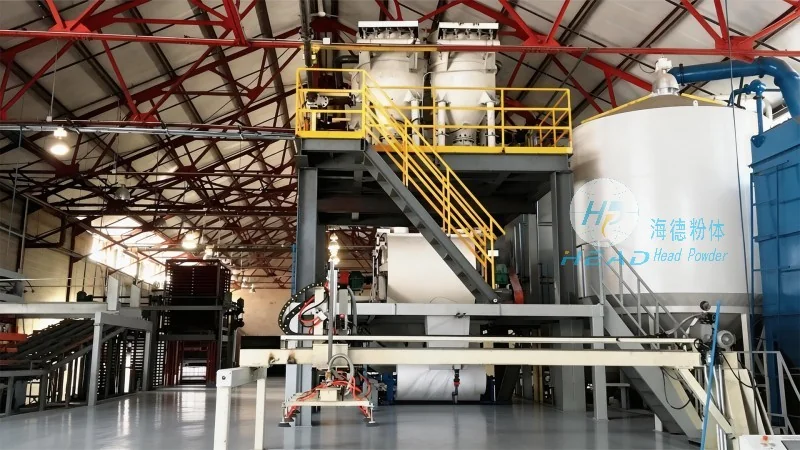
Mixed pressure systems combine elements of both positive and negative pressure. They use a combination of blowing and vacuum to optimize material transport. This type of system is versatile and can handle a wide range of carbon fiber types, from bulk pellets to fine powders. Mixed pressure systems are often used in applications where both long-distance transport and precise material control are required, such as in the production of carbon fiber composites. The flexibility of mixed pressure systems allows manufacturers to adapt to changing production needs without significant system modifications.
Practical Applications of Pneumatic Conveying Systems in Carbon Fiber Handling
Pneumatic conveying systems are widely used in various stages of carbon fiber processing, from raw material handling to finished product distribution. Their ability to handle delicate materials like carbon fiber makes them indispensable in modern manufacturing.
In the raw material stage, pneumatic conveying systems are used to transport carbon fiber raw materials from storage to the production line. This includes transporting carbon fiber rovings, pellets, or powders from bulk storage silos to processing equipment. The systems ensure that the raw materials are delivered in a controlled manner, preventing damage to the fibers and maintaining consistent quality. For example, in a carbon fiber plant, a positive pressure system might be used to move large quantities of carbon fiber pellets from a storage silo to a extrusion machine, where they are processed into fibers.
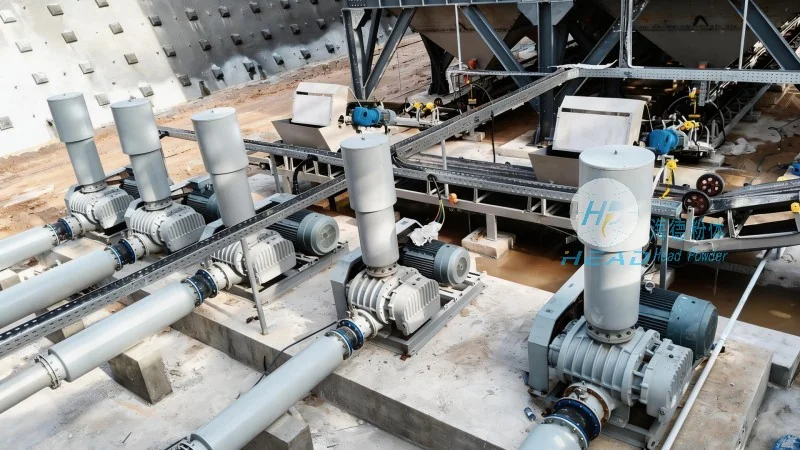
During the manufacturing process, pneumatic conveying systems are used to transfer intermediate products between different processing stages. This includes moving carbon fiber preforms or semi-finished products from one machine to another. The systems help streamline the production workflow, reducing downtime and improving overall efficiency. Shandong HeadPowder Engineering Co., Ltd. has implemented such systems in several carbon fiber manufacturing facilities, resulting in increased production throughput and reduced labor costs.
In the final stages of production, pneumatic conveying systems are used to transport finished carbon fiber products to storage or packaging areas. This includes moving carbon fiber composites, fabrics, or other finished goods from the production line to warehouse storage. The systems ensure that the finished products are handled gently, preserving their quality and preventing damage. Negative pressure systems are often preferred for this stage to minimize dust and maintain a clean environment, which is critical for maintaining product integrity.
Key Considerations for Implementing Pneumatic Conveying Systems in Carbon Fiber Handling
When selecting a pneumatic conveying system for carbon fiber handling, several factors must be considered to ensure optimal performance and longevity. These factors include material properties, system pressure, and environmental requirements.
Carbon fiber is a lightweight, high-strength material that can be abrasive and sensitive to handling. Therefore, the material of construction for the conveying system must be chosen carefully to prevent wear and damage to the fibers. Shandong HeadPowder Engineering Co., Ltd. uses high-quality materials such as stainless steel and specialized coatings to protect the system from carbon fiber abrasion and corrosion.
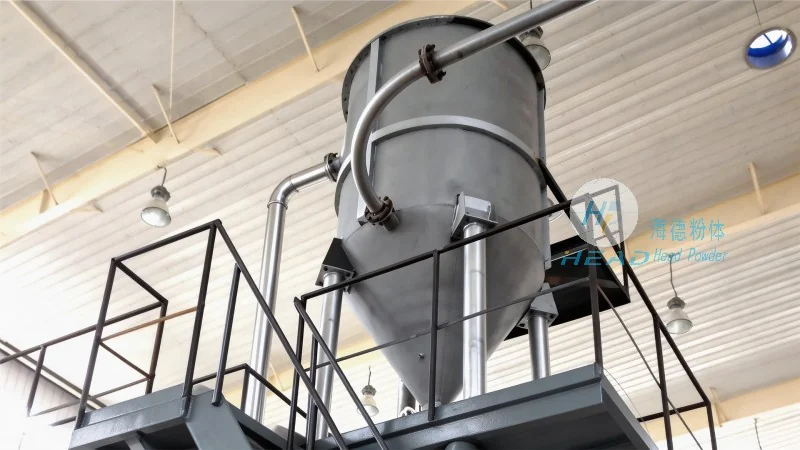
System pressure is another critical factor. The pressure level must be sufficient to move the carbon fiber material through the conveying line without causing excessive wear or energy consumption. Positive pressure systems typically operate at higher pressures (e.g., 5-10 bar) compared to negative pressure systems (e.g., 1-3 bar), which affects the system's energy efficiency and suitability for different applications.
Environmental considerations are also important, especially when handling fine carbon fiber powders. The system must be designed to minimize dust emissions and maintain a clean environment. This includes features such as dust collection systems and sealed conveying lines. Shandong HeadPowder Engineering Co., Ltd. incorporates advanced dust control technologies in their systems to ensure compliance with environmental regulations and maintain a safe working environment.
Conclusion
Pneumatic conveying systems offer a reliable and efficient solution for carbon fiber handling, with various types and applications tailored to specific industry needs. Shandong HeadPowder Engineering Co., Ltd. specializes in designing and implementing these systems, ensuring that manufacturers can optimize their carbon fiber processing operations. By understanding the different types of pneumatic conveying systems and their practical applications, companies can make informed decisions to enhance productivity, reduce costs, and improve product quality in carbon fiber manufacturing.