

Types and Practical Applications of Pneumatic Conveying Systems for Metallurgical Coke Transport
Metallurgical coke, a vital raw material in the iron and steel industry, demands efficient and reliable transport solutions to maintain seamless production workflows. Pneumatic conveying systems have become a preferred method for handling bulk coke due to their ability to transport materials over extended distances with minimal operational complexity and maintenance requirements. This article examines the various types of pneumatic conveying systems utilized in metallurgical coke transport and their practical applications, highlighting the advantages and considerations for industrial operations.
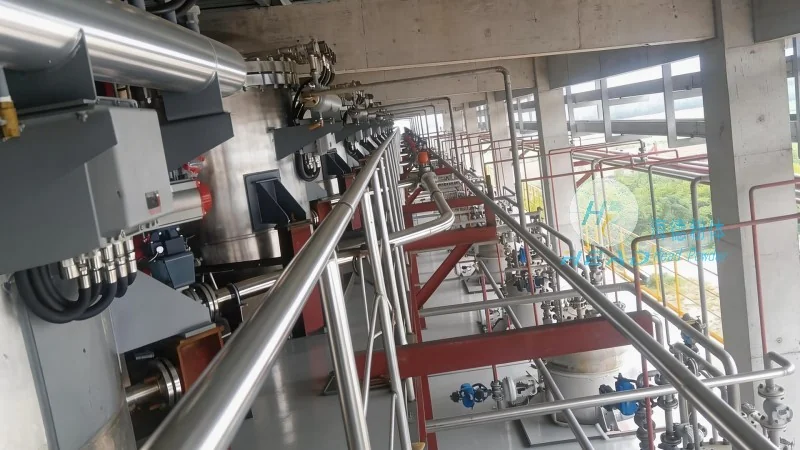
Overview of Pneumatic Conveying Systems for Metallurgical Coke
Pneumatic conveying systems leverage air or gas to transport solid materials like metallurgical coke through a pipeline. These systems are classified based on the pressure within the system, with two primary categories: positive pressure and negative pressure systems. Positive pressure systems operate by blowing air into the pipeline, propelling the material forward, while negative pressure systems create a vacuum to draw material into the pipeline. Each type offers distinct characteristics suitable for different coke handling scenarios.
Types of Pneumatic Conveying Systems
1. Positive Pressure Conveying Systems: These systems are widely used for long-distance transport of metallurgical coke owing to their high efficiency and ability to handle abrasive materials. They typically consist of a blower, a material storage hopper, and a pipeline network. The positive pressure ensures continuous material flow, reducing the risk of blockages and maintaining consistent flow rates. This type is ideal for transporting coke from a central storage facility to multiple plant locations.
2. Negative Pressure (Vacuum) Conveying Systems: Negative pressure systems are often preferred for shorter distances or when coke needs to be collected from multiple sources and transported to a central location. They function by creating a vacuum in the pipeline, drawing material from the source. This method is particularly beneficial for handling fine or dusty coke, minimizing spillage and dust emissions. However, these systems may require more frequent maintenance to prevent dust accumulation and ensure efficient operation.
3. Combination (Dual-Mode) Conveying Systems: Some industrial applications benefit from a blend of positive and negative pressure systems. For instance, a system might use negative pressure to collect coke from a source and then switch to positive pressure for the final transport segment. This approach accommodates different material characteristics and operational needs. Dual-mode systems are commonly employed in large-scale coke processing plants with multiple transport routes and material types.
Practical Applications in Metallurgical Coke Transport
The selection of a pneumatic conveying system depends on specific coke transport requirements. Key practical applications include:
1. From Stockpile to Processing Plant: Many steel mills store metallurgical coke in large stockpiles. Pneumatic conveying systems efficiently transport coke from these stockpiles to the processing plant, where it is used in blast furnaces. This method reduces manual handling needs and minimizes material degradation from environmental exposure.
2. Between Production Units: Within a steel facility, different units may require coke at various locations. Pneumatic systems can transport coke from the main storage to production units like sintering plants or coke ovens, ensuring a continuous supply to meet production demands.
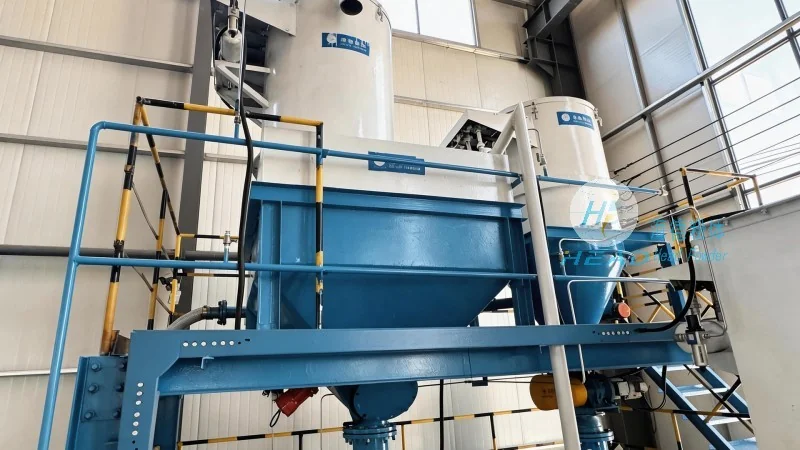
3. Waste Coke Handling: During production, some coke may be considered waste or require recycling. Pneumatic systems can transport waste coke from the production line to recycling or disposal sites, maintaining a clean production environment and proper waste management.
4. Co-transport with Other Materials: In some cases, metallurgical coke must be transported alongside other materials like limestone or iron ore. Pneumatic systems can be configured to handle multiple materials simultaneously, improving operational efficiency and reducing the number of transport systems needed.
Advantages of Pneumatic Conveying Systems
Pneumatic conveying systems offer several benefits over traditional conveyor belts or trucks for metallurgical coke transport:
1. Reduced Maintenance Costs: Unlike mechanical conveyors requiring regular lubrication and part replacement, pneumatic systems have fewer moving parts and lower wear and tear. This results in lower maintenance expenses and longer system lifespans.
2. Lower Energy Consumption: Modern pneumatic systems are designed for energy efficiency, using less power to transport materials compared to traditional methods. This reduces operational costs and minimizes environmental impact in steel production.
3. Improved Safety: Pneumatic systems eliminate manual handling of heavy or abrasive materials, reducing workplace accidents and injuries. The enclosed pipeline system also minimizes dust emissions, enhancing plant air quality.
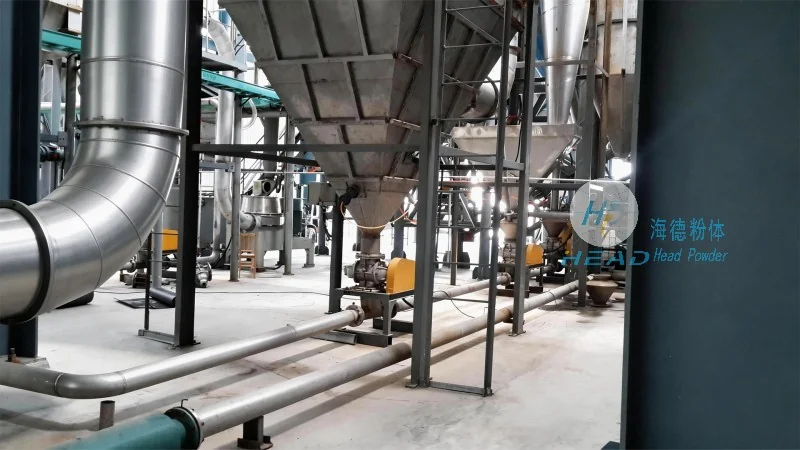
4. Flexibility and Scalability: Pneumatic systems can be easily expanded or modified to accommodate changes in production volume or material requirements. This flexibility suits both small-scale and large-scale industrial applications.
Considerations for Selecting a Pneumatic Conveying System
When selecting a pneumatic conveying system for metallurgical coke transport, several factors must be evaluated for optimal performance:
1. Material Characteristics: The size, shape, and density of metallurgical coke influence system choice. Fine or dusty coke may require negative pressure systems with dust control measures, while larger or heavier coke suits positive pressure systems.
2. Transport Distance and Layout: The distance and layout of the transport route determine the system type. Longer distances may need positive pressure systems with higher air pressure, while shorter or complex layouts benefit from negative pressure or combination systems.
3. Environmental Regulations: Industrial operations must comply with dust emission and noise regulations. Pneumatic systems can be equipped with dust collection and filtration to meet these requirements without compromising performance.
4. Cost and Maintenance: Initial investment and long-term maintenance costs should be assessed. While pneumatic systems may have higher upfront costs than some traditional methods, lower maintenance and energy use can lead to significant savings over time.
Conclusion
Pneumatic conveying systems are critical to the efficient and safe transport of metallurgical coke in the iron and steel industry. By understanding system types and practical applications, industrial operators can select the most suitable solution for their needs. The advantages of reduced maintenance, lower energy use, improved safety, and flexibility make pneumatic conveying an attractive option for modern coke handling operations. As technology advances, these systems will likely become even more efficient and sustainable, further enhancing their role in steel production processes.