

Types and Practical Applications of Pneumatic Conveying Systems for Coated Sand Transport
Coated sand, a critical material in the foundry industry, requires efficient and reliable transport systems to ensure smooth production processes. Pneumatic conveying systems have emerged as a preferred solution for handling coated sand due to their ability to transport materials over long distances with minimal maintenance and operational costs. This article explores the various types of pneumatic conveying systems used in coated sand transport and their practical applications, highlighting the expertise of Shandong HeadPowder Engineering Co., Ltd., a leading provider based in Shandong, China.
Types of Pneumatic Conveying Systems for Coated Sand Transport
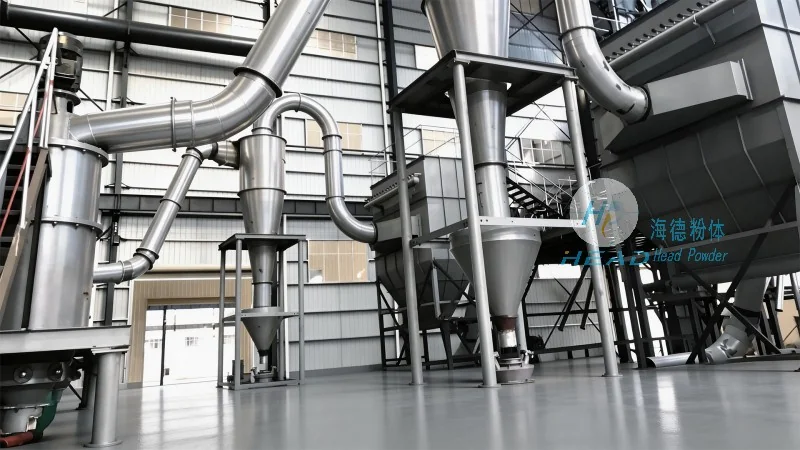
There are primarily three types of pneumatic conveying systems commonly utilized in coated sand handling: positive pressure, negative pressure, and mixed pressure systems. Each type has distinct characteristics and is suitable for different operational requirements.
Positive Pressure Pneumatic Conveying Systems
Positive pressure systems operate by blowing air or gas into the conveying line, creating a pressure higher than the ambient air pressure. This method is ideal for transporting coated sand over long distances and through complex layouts, as the positive pressure ensures consistent material flow and prevents dust leakage. The system typically uses a blower or compressor to generate the necessary pressure, and the material is drawn into the line through a hopper or feeder. Positive pressure systems are particularly effective for applications where the coated sand needs to be transported to multiple destinations or through vertical and horizontal changes in elevation.
Negative Pressure Pneumatic Conveying Systems
Negative pressure systems, also known as vacuum systems, work by creating a vacuum in the conveying line, which draws the coated sand from the source into the system. This approach is well-suited for short to medium-distance transport and for handling materials that are prone to dust generation or require a cleaner environment. Negative pressure systems are often used in applications where the coated sand is sourced from a hopper or silo and needs to be transported to a processing unit or storage area. The vacuum is generated by a vacuum pump, and the system is designed to minimize air leakage and maintain a controlled dust environment.
Mixed Pressure Pneumatic Conveying Systems
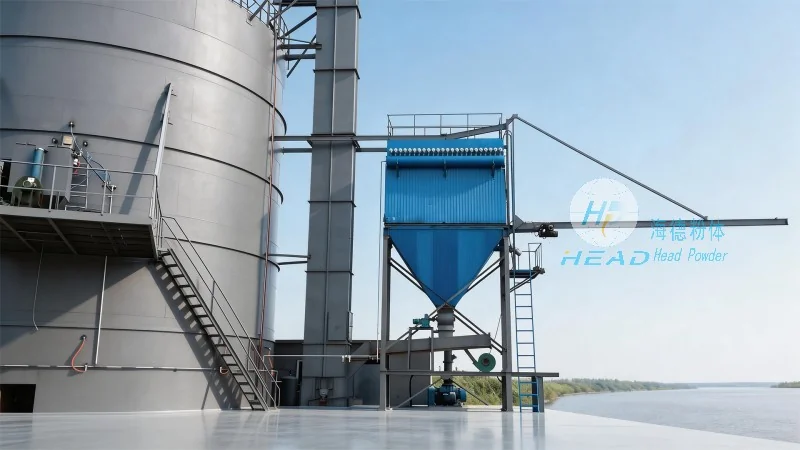
Mixed pressure systems combine elements of both positive and negative pressure systems, offering a versatile solution for coated sand transport. These systems use a combination of positive and negative pressure zones to optimize material flow and reduce energy consumption. For instance, a mixed pressure system may use positive pressure to transport the coated sand from the source to an intermediate point and then switch to negative pressure to move it to the final destination. This approach allows for greater flexibility in system design and can be tailored to specific operational needs, such as handling varying material volumes or navigating complex layouts.
Practical Applications of Pneumatic Conveying Systems in Coated Sand Transport
Pneumatic conveying systems for coated sand find extensive application in various stages of the foundry production process. These systems are used to transport coated sand from storage silos to molding machines, from the molding line to finishing stations, and from the finishing line to recycling or disposal areas. The efficiency of these systems directly impacts the overall productivity and quality of the foundry operations.
Transporting Coated Sand to Molding Machines
One of the most critical applications of pneumatic conveying systems is the delivery of coated sand to molding machines. In this scenario, the system must ensure a consistent and reliable supply of coated sand to the molding line, which is essential for maintaining production rates and preventing downtime. Positive pressure systems are often preferred for this application due to their ability to handle long distances and complex layouts. The system typically includes a hopper, feeder, and a series of conveying lines that connect to the molding machines. The coated sand is transported under pressure, ensuring that the material reaches the molding machines without any blockages or air leaks.
Transporting Coated Sand for Finishing and Recycling
After the molding process, the coated sand may need to be transported to finishing stations or recycling facilities. Pneumatic conveying systems are well-suited for this application as they can handle the material efficiently and with minimal contamination. Negative pressure systems are often used in this stage to collect the coated sand from the finishing line and transport it to a recycling or disposal area. The system is designed to maintain a clean environment and prevent dust from spreading into the surrounding area. The coated sand is collected in a hopper or silo and then conveyed to the recycling facility for reuse or disposal.
Customized Solutions for Specific Production Needs
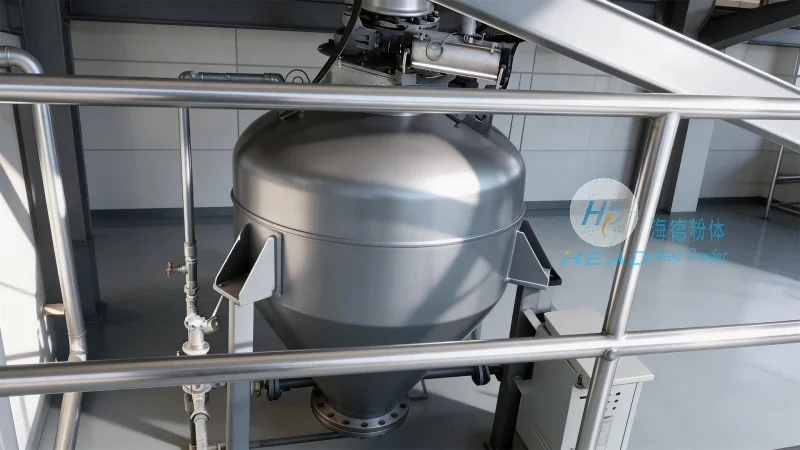
Shandong HeadPowder Engineering Co., Ltd. specializes in providing customized pneumatic conveying solutions tailored to the specific needs of foundry operations. The company, based in Shandong, China, leverages its expertise in material handling and process engineering to design and implement systems that optimize coated sand transport. By understanding the unique requirements of each foundry, the company can develop systems that maximize efficiency, reduce costs, and improve overall production quality. The company's solutions often include advanced control systems, material flow monitoring, and maintenance programs to ensure the long-term performance of the pneumatic conveying systems.
Advantages of Pneumatic Conveying Systems for Coated Sand
Pneumatic conveying systems offer several advantages over traditional methods of coated sand transport, such as belt conveyors or bucket elevators. These systems are more flexible in terms of layout design, allowing for the transportation of coated sand through complex and irregular spaces. They also provide better control over material flow, reducing the risk of material buildup or blockages. Additionally, pneumatic conveying systems are more energy-efficient and require less maintenance compared to other transport methods. The systems are designed to handle the abrasive nature of coated sand, ensuring long service life and minimal downtime.
Conclusion
Pneumatic conveying systems play a vital role in the efficient and reliable transport of coated sand in the foundry industry. The various types of systems, including positive pressure, negative pressure, and mixed pressure, offer flexibility and adaptability to different operational requirements. Practical applications range from delivering coated sand to molding machines to transporting it for finishing and recycling. Companies like Shandong HeadPowder Engineering Co., Ltd. provide customized solutions that enhance productivity, reduce costs, and improve the overall quality of foundry operations. By leveraging the expertise and technology of such providers, foundries can optimize their coated sand transport processes and achieve greater efficiency in their production.