

Types and Practical Applications of Pneumatic Conveying Systems for Manganese Carbonate Transport
When it comes to transporting manganese carbonate, selecting the right conveying system is crucial for efficiency, cost-effectiveness, and operational reliability. Pneumatic conveying systems have emerged as a preferred solution in the industry, offering flexible and efficient methods to move bulk materials like manganese carbonate. This article explores the different types of pneumatic conveying systems used in manganese carbonate transport and their practical applications, providing insights into how these systems enhance material handling processes.
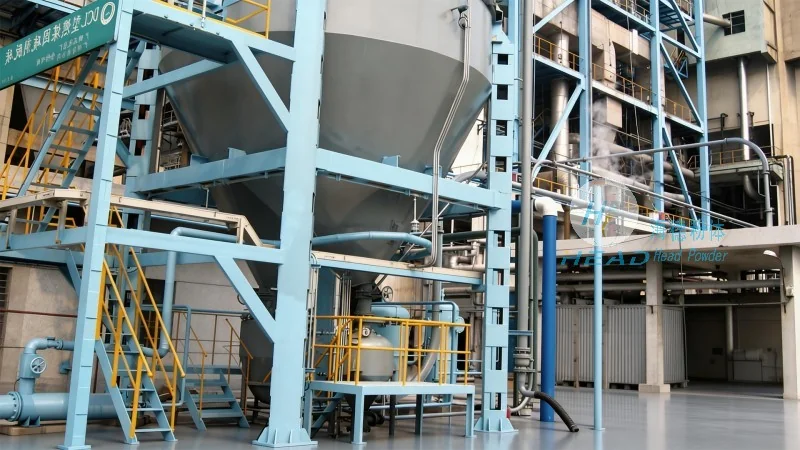
Types of Pneumatic Conveying Systems
There are primarily two types of pneumatic conveying systems: positive pressure and negative pressure systems. Each type has its own advantages and is suitable for different scenarios in manganese carbonate handling.
Positive Pressure Pneumatic Conveying Systems
Positive pressure systems operate by blowing air or gas into the conveying line, creating a pressure higher than the ambient air pressure. This method is ideal for transporting materials over long distances or through complex layouts. In the context of manganese carbonate, positive pressure systems are often used when the material needs to be conveyed from a central storage to multiple processing points or when the material is sensitive to moisture or contamination. The system typically includes a blower, a hopper, and a series of pipes that transport the material. The positive pressure ensures that the material is moved efficiently without the need for vacuum pumps, which can be less reliable for fine powders like manganese carbonate.
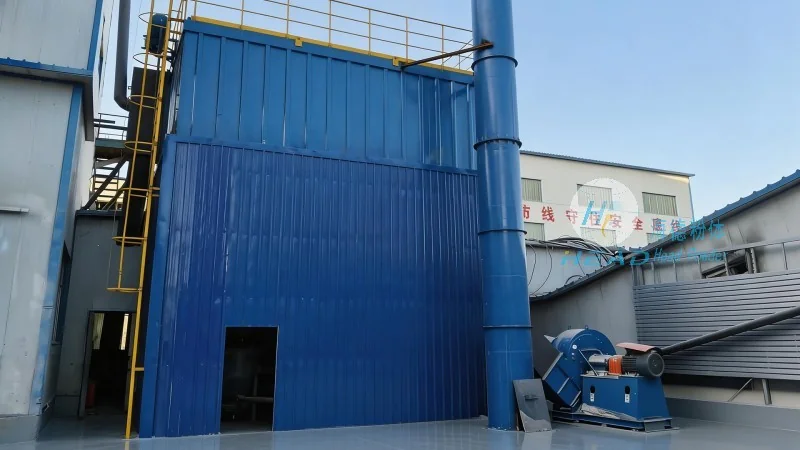
Negative Pressure Pneumatic Conveying Systems
Negative pressure systems, also known as vacuum systems, operate by creating a vacuum in the conveying line, drawing material from the source into the system. This type of system is particularly useful for short-distance conveying or when the material needs to be collected from multiple points and transported to a central location. For manganese carbonate, negative pressure systems are often employed in applications where the material is to be transferred from a silo or storage bin to a processing unit, especially when the material is prone to dust generation or when the process requires a closed system to prevent contamination. The vacuum created pulls the material through the pipes, ensuring a clean and controlled transfer.
Other Variations and Hybrid Systems
Beyond the basic positive and negative pressure systems, there are hybrid systems that combine elements of both. These systems are designed to offer the benefits of both approaches, such as the ability to handle both long and short distances, or to manage different material properties. For instance, a hybrid system might use positive pressure for the initial boost and then switch to negative pressure for the final delivery. In manganese carbonate transport, hybrid systems are sometimes used in large-scale operations where the material needs to be moved through a network of pipes with varying lengths and elevations. These systems provide flexibility and adaptability, making them suitable for complex industrial setups.
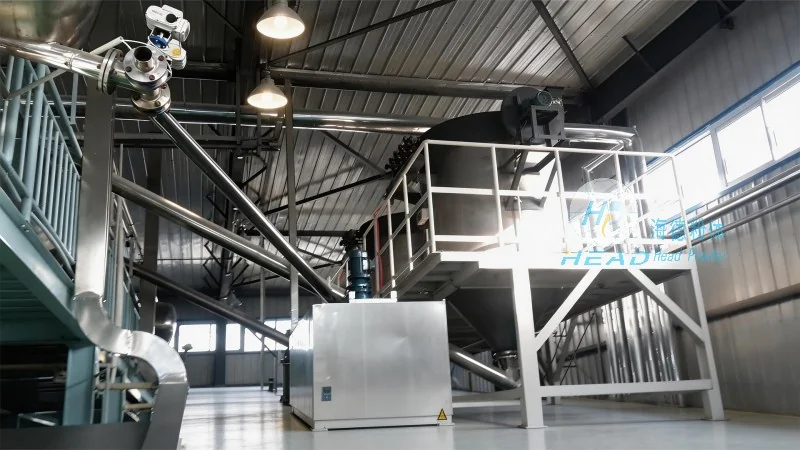
Practical Applications in Manganese Carbonate Handling
The choice of pneumatic conveying system depends on the specific requirements of the manganese carbonate handling process. Here are some practical applications where these systems are commonly used:
1. From Storage to Processing
One of the most common applications is transporting manganese carbonate from storage silos or hoppers to processing units such as crushers, grinders, or reactors. Positive pressure systems are often preferred for this task because they can handle the material over longer distances and through multiple branches without significant loss of pressure. The system ensures that the material is delivered consistently to the processing equipment, maintaining the quality and consistency of the final product.
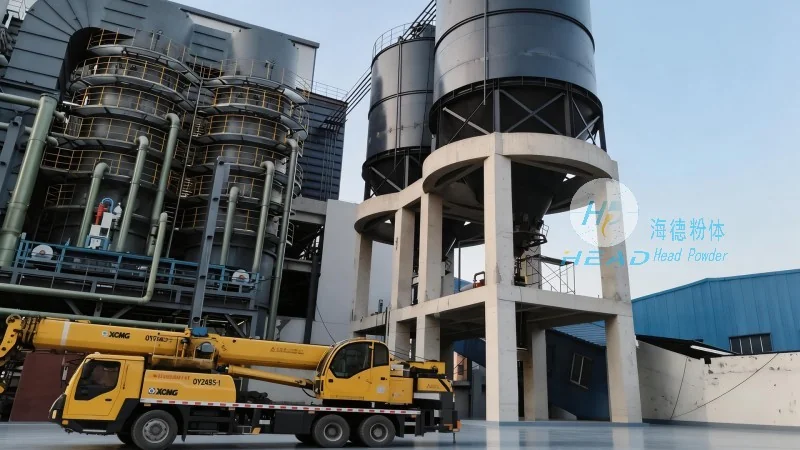
2. Between Processing Stages
In multi-stage processing operations, pneumatic conveying systems are used to move the material from one stage to the next. For example, after crushing and grinding, the manganese carbonate might need to be conveyed to a drying or mixing unit. Negative pressure systems are sometimes used in this stage to collect fine powders and prevent dust dispersion. The closed system ensures that the material is handled hygienically and that the process is efficient, reducing the risk of material loss or contamination.
3. Material Transfer Between Plants
For industrial facilities that operate across multiple sites, pneumatic conveying systems can be used to transfer manganese carbonate between different plants. This is particularly useful when the material needs to be moved over long distances or through different geographical locations. The positive pressure system is often chosen for this application as it can maintain the material flow over longer distances and through varying elevations. The system ensures that the material is delivered safely and efficiently, minimizing downtime and operational costs.