

Types and Practical Applications of Pneumatic Conveying Systems for Potassium Chloride Transport
HeadPowder, a leading engineering company based in Shandong, China, specializes in the design and implementation of advanced material handling solutions. Among its diverse applications, the efficient transport of potassium chloride (KCl) has become a critical focus, particularly in industrial and agricultural sectors. This article explores the various types of pneumatic conveying systems utilized for KCl transport and their practical implementations, highlighting the technological advancements and operational benefits they offer.
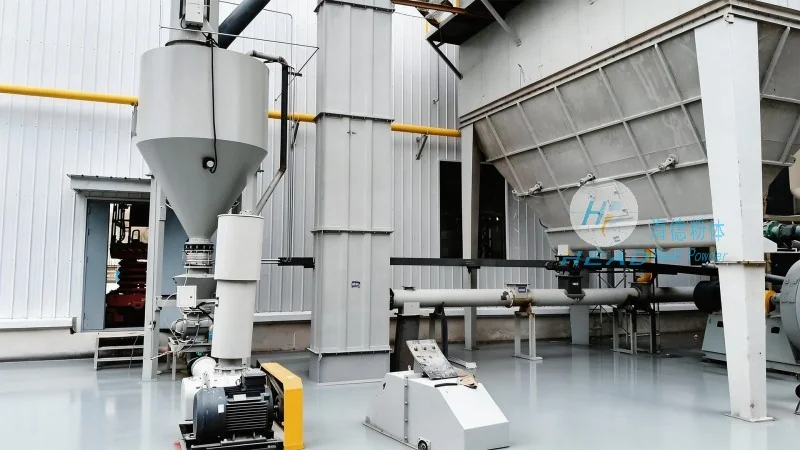
Understanding Pneumatic Conveying Systems for Potassium Chloride
Potassium chloride, a vital mineral used in fertilizers, food processing, and pharmaceuticals, requires reliable and efficient transport methods to ensure consistent supply and quality. Pneumatic conveying systems have emerged as a preferred solution due to their ability to handle bulk materials like KCl with minimal dust, reduced risk of contamination, and enhanced safety. These systems operate by using air or gas to move material through a pipeline, offering flexibility in layout and the capacity to transport materials over long distances without the need for extensive infrastructure.
Types of Pneumatic Conveying Systems for KCl Transport
There are several types of pneumatic conveying systems tailored for potassium chloride transport, each with distinct characteristics and applications. The primary categories include:
1. Positive Pressure Conveying: This system uses a positive pressure to push material through the pipeline. It is suitable for transporting KCl over moderate distances and is effective for handling dry, free-flowing materials. The positive pressure ensures that the material is continuously moved, reducing the risk of clogging and ensuring a steady flow rate.
2. Negative Pressure (Vacuum) Conveying: In this system, a vacuum is created to draw material into the pipeline. It is ideal for applications where the material needs to be transported from multiple sources or over longer distances, as the vacuum can pull material from various points. This method is particularly useful for handling KCl in environments where dust control is paramount, as the sealed system minimizes particle release.
3. Combined (Positive and Negative) Conveying: This hybrid system combines elements of both positive and negative pressure methods. It allows for the transportation of KCl over longer distances while maintaining the benefits of both approaches. The system can start with a positive pressure to move material from a central point and then switch to negative pressure to draw material from peripheral sources, optimizing the overall transport process.
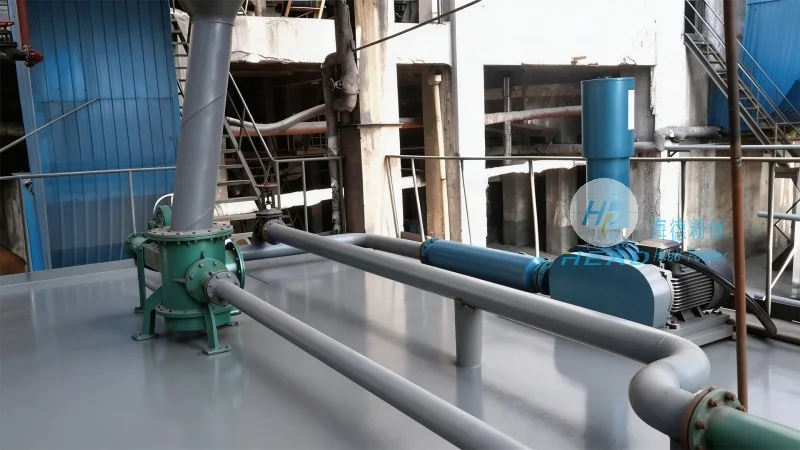
4. Trunk and Branch Conveying: This system uses a main trunk line with branches to transport KCl from multiple feed points to a central collection point. It is highly efficient for large-scale operations, as it allows for the simultaneous transport of material from several sources to a single destination. The trunk line handles the primary flow, while the branches distribute material to different locations, ensuring a balanced and consistent supply.
Practical Applications and Operational Benefits
The practical applications of pneumatic conveying systems for potassium chloride transport span various industries, including mining, agriculture, and chemical processing. The key operational benefits include:
1. Enhanced Material Handling Efficiency: Pneumatic systems can transport KCl at high speeds and volumes, reducing the time and labor required for material handling. This efficiency is crucial for meeting production demands and maintaining operational productivity.
2. Improved Safety and Environmental Control: Unlike traditional methods such as bucket elevators or belt conveyors, pneumatic conveying minimizes dust exposure and reduces the risk of material spillage. The sealed system ensures that KCl is handled in a controlled environment, protecting workers from dust-related health issues and minimizing environmental impact.
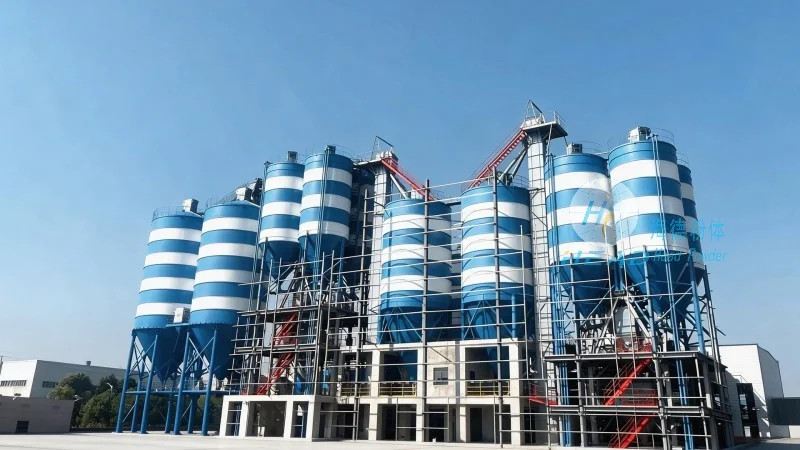
3. Reduced Maintenance and Downtime: Modern pneumatic conveying systems are designed with durable components and minimal moving parts, leading to lower maintenance requirements and reduced downtime. This reliability is essential for continuous production processes, ensuring that KCl transport remains uninterrupted.
4. Flexibility in Layout and Integration: Pneumatic conveying systems can be easily integrated into existing industrial layouts, allowing for flexible placement of feed points and collection points. This adaptability is particularly beneficial for facilities that need to expand or reconfigure their material handling processes without significant capital investment.
Case Studies and Real-World Implementations
HeadPowder has successfully implemented pneumatic conveying systems for KCl transport in various projects, demonstrating the effectiveness of these technologies. For instance, in a large-scale fertilizer plant, the company designed a positive pressure system to transport KCl from storage silos to processing units. The system was able to handle high volumes of material while maintaining a consistent flow rate, resulting in improved production efficiency and reduced operational costs.
In another application, a chemical processing plant utilized a negative pressure system to transport KCl from multiple feed points to a central processing facility. The vacuum system effectively drew material from different locations, ensuring that all sources were utilized efficiently. The sealed design of the system minimized dust emissions, meeting stringent environmental regulations and enhancing workplace safety.
These case studies highlight the versatility and reliability of pneumatic conveying systems for potassium chloride transport. By leveraging advanced engineering and tailored solutions, HeadPowder has helped clients optimize their material handling processes, improve operational performance, and achieve sustainable growth in their respective industries.